
Top Reasons Ethiopians Love Misir Wat
Misir Wat Is a humble lentil stew that sits proudly at the heart of Ethiopian dining. It brings warmth, aroma, and a sense of belonging to the table. The dish blends simple, pantry-friendly ingredients with a bold spice profile. Each spoonful tells a story of care, family, and everyday joy. Ethiopians love Misir Wat for its generosity, its accessibility, and the way it elevates a meal into a shared moment.
What Is Misir Wat?
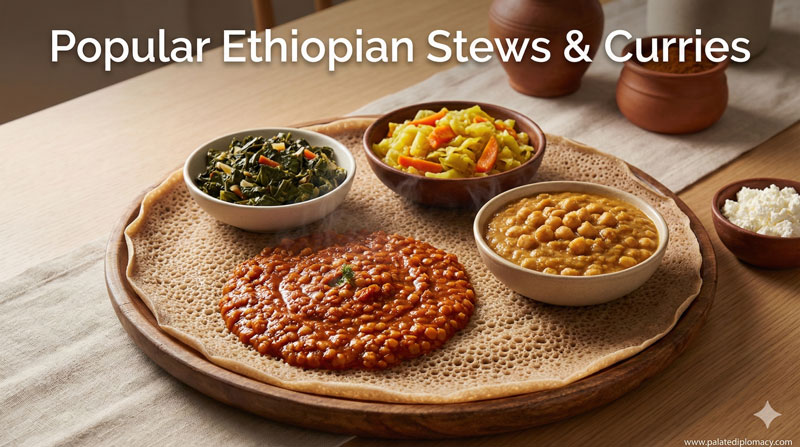
Misir Wat translates as a lentil-based stew. Red lentils soften into a creamy bite, while onions, garlic, and ginger build a savory sweetness. Berbere, a signature Ethiopian spice blend, adds depth with heat, earthiness, and bright notes. Melted niter kibbeh, a clarified butter seasoned with spices, delivers a rich, velvety finish. The result is a hearty yet approachable dish that stands up to the sour tang of injera, the Traditional Ethiopian flatbread served alongside.
Flavor, Texture, and Aroma
The aroma starts with sizzling onions, then blooms as berbere joins the pan. Ginger and garlic brighten the base, while the lentils melt into a smooth core. The butter or oil coating rounds the spice heat, creating a comforting, linger-worthy sauce. The texture mixes creamy lentils with gentle bite, offering a satisfying contrast to the soft injera used to scoop. The overall flavor is layered: warm, slightly spicy, and deeply savory, with a subtle sweetness that comes from the onion and lentils.
Cultural Significance at the Table
Misir Wat holds a meaningful place in daily life and special occasions alike. It appears in cozy family meals as a reliable source of nourishment and comfort. The dish also shines during fasting periods when meat is not eaten, showcasing how plant-based foods can be deeply satisfying and flavorful. In homes across Ethiopia, Misir Wat invites conversation, laughter, and a sense of togetherness as people share a common pot and a common table. Its presence signals care, hospitality, and a rhythm of life that honors good cooking and good company.
Serving Traditions with Injera
No discussion of Misir Wat is complete without injera. This spongy, sour flatbread serves as plate, utensil, and accompaniment. Diners tear a piece of injera, use it to scoop the stew, and let the tangy bread balance the warmth of the spices. The pairing creates a dance of textures: the grainy softness of lentils with the airy bite of injera. Often, other wats or salads appear nearby, but Misir Wat remains a centerpiece because of its generous portions and inviting aroma. The ritual of sharing from a single platter reinforces hospitality and communal joy.
Regional Variations and Personal Touches
Families add their own touches to Misir Wat, from the level of spice to the creaminess of the sauce. Some cooks blend in tomatoes for a brighter color, while others rely on the natural richness of onions and butter. The intensity of berbere varies by household and season, making each pot of Misir Wat distinct yet recognizably Ethiopian. This versatility underlines a core value: food is a living tradition that adapts while staying rooted in shared methods and memories.
A Dish That Welcomes Every Table
Misir Wat embodies the beauty of Ethiopian cooking: simple ingredients elevated by careful technique, a bold spice profile, and a spirit of sharing. It invites curiosity—new guests discover its warmth, while longtime family members savor its familiar hug. In every bite, the dish celebrates nourishment, hospitality, and the enduring charm of traditional flavors brought to life with care.
Conclusion
Misir Wat is more than a plate of lentils. It is a cultural touchstone, a testament to how spice, time, and generosity can transform everyday meals into meaningful experiences. Its richness, accessibility, and communal nature make it a beloved staple—one that Ethiopians cherish as they gather, cook, and celebrate the beauty of food together.