
The Story Behind Shiro Wat, a Favorite Ethiopian Food
Shiro Wat Is a cherished Ethiopian dish. Its name carries the memory of ground chickpea flour turning into a silky sauce. The dish is warm, comforting, and deeply rooted in everyday life. It invites people to gather, share, and savor slow, thoughtful cooking.
Ingredients and Technique
Shiro begins with a simple base. The core is finely ground chickpea flour, also called shiro powder. Onions are sautéed until they glow with sweetness. Garlic and ginger join the pot, followed by spices such as berbere for depth and heat. Oil or clarified butter adds sheen and flavor. Water or stock thins the mix, allowing the flour to hydrate into a thick, creamy stew. The key is patience: whisk or stir steadily to avoid lumps, then simmer until the texture shines with velvet smoothness. Some cooks toast the flour lightly to awaken its aroma before adding liquids. The result is a golden, robust sauce that clings to every bite.
Cultural Significance
Shiro Wat embodies the daily ritual of Ethiopian cooking. It is a dish that travels from busy kitchens to celebratory tables with equal grace. The recipe travels through generations, carried in families and shared with neighbors. Its simplicity makes it a reliable centerpiece for a meal, yet its flavor reveals care and attention. Shiro is a bridge between practical nourishment and culinary artistry, proving that you can create something both humble and memorable with few ingredients.
Flavor, Texture, and Aroma
The flavor profile of Shiro Wat is warm and comforting. Nutty chickpea flour gives a gentle, natural richness. Berbere adds a subtle kick, balancing spice with earthiness. The onions bring sweetness, while garlic and ginger offer bright notes. The texture is creamy and smooth, almost spoonable, with enough body to cling to injera. The aroma is inviting: a savory perfume that signals a table ready for sharing. Each bite feels cozy, satisfying, and quietly elevating the everyday meal.
Serving Traditions
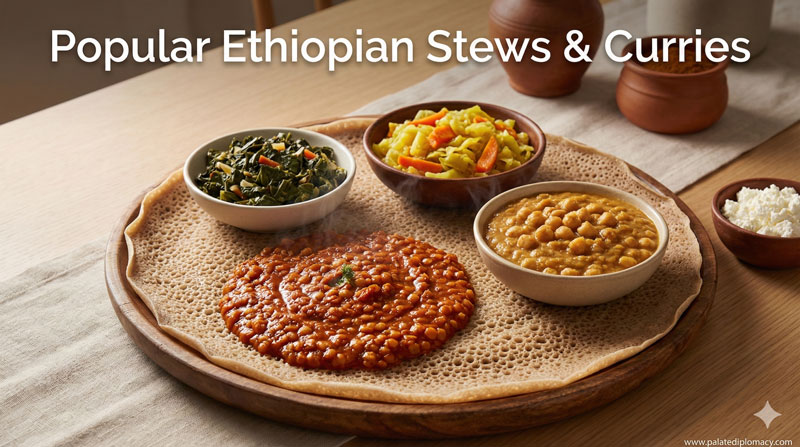
Traditionally, Shiro Wat is served with injera, the soft, sour flatbread that Ethiopian meals often hinge upon. A few scoops of Shiro rest on the flatbread, inviting hands to break and wrap. The dish pairs beautifully with a simple salad, legumes, or a vegetable stew, allowing the Shiro to shine as the creamy heart of the plate. In many homes, Shiro is the starting dish at gatherings, signaling hospitality and care. The serving style emphasizes generosity and the joy of a shared table.
Regional Touches and Modern Twists
Across regions, cooks add personal touches to Shiro Wat. Some give it a milder finish, letting the chickpea flavor lead without overpowering heat. Others enrich the sauce with a touch of tomato or a splash of stock to alter the texture slightly. Yet, the spirit remains the same: a nourishing, soulful dish that brings people together. Modern kitchens may experiment with additional herbs or a splash of citrus, but the core remains faithful to the comforting, creamy base.
Cooking as a Cultural Practice
Preparing Shiro Wat is more than a recipe; it is a moment of care. The process invites steady, mindful attention: slice, sauté, stir, and taste. This rhythm mirrors the value placed on patience and generosity in meals. Sharing a pot of Shiro is a way to show hospitality, respect, and connection. The dish becomes a living thread in the tapestry of food culture, linking cooks, families, and communities through common flavors and shared meals.
Final Thoughts
Shiro Wat stands out for its balance of simplicity and depth. It uses modest ingredients to craft a dish with enduring appeal. The creaminess, warmth, and aroma invite conversation and comfort. Whether enjoyed on a regular day or a special occasion, Shiro Wat remains a favorite because it speaks to nourishment, generosity, and the beauty of a well-cooked meal. It is a timeless reminder that great flavor often grows from patient hands and a welcoming table.