
What Makes Atkilt Wat So Special in Ethiopia
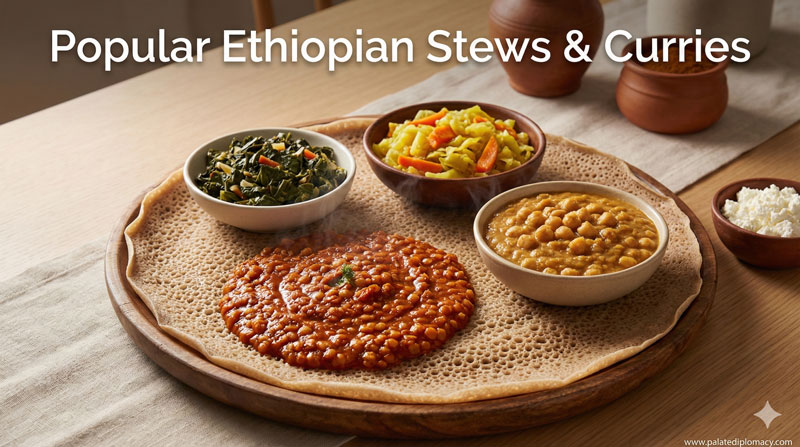
Atkilt Wat is a bright, vegetable-forward Ethiopian stew that graces many family tables. It blends tender vegetables with warm spices, all simmered to a comforting, cohesive sauce. The dish shines with simple ingredients chosen for flavor and seasonality. Yet its real magic lies in how it brings people together. Shared bowls, friendly conversation, and a sense of home—these are the flavors that give Atkilt Wat its depth. Injera, the soft sour flatbread, often serves as both plate and utensil, making each bite a communal moment. In Ethiopia, this dish is more than a meal; it is a quiet celebration of everyday life and care.
A Window into Ethiopian Hospitality
Hospitality is a guiding thread in Ethiopian food culture, and Atkilt Wat embodies it beautifully. Families prepare it with attention, aiming to please guests and loved ones alike. The dish invites aro undness and conversation. When guests arrive, the aroma welcomes them before the first greeting. Then comes the shared meal, where people pass bowls, offer generous portions, and linger at the table. In this setting, cooking becomes a way to show respect for others. The dish fosters connection, patience, and a sense of belonging.
The Core of Atkilt Wat: Ingredients and Why They Matter
Atkilt Wat centers on a colorful mix of vegetables. Common components include onions, carrots, cabbage, and potatoes, with optional greens like green beans or peppers. Tomatoes may appear in some versions to add brightness. The vegetables are sautéed and then simmered in a gentle sauce seasoned with turmeric, garlic, and ginger. This combination creates a warm, golden hue and a comforting aroma. Each ingredient carries meaning: onions for sweetness, carrots for color, cabbage and potatoes for heartiness, and spices for warmth. The result is a dish that feels rooted in the earth and in daily life, yet special enough to savor.
Cooking as a Shared Ritual
The preparation of Atkilt Wat is a respectful ritual rather than a rushed task. It starts with soft, slow sautéing of onions to release their natural sweetness. Then the garlic and ginger are added, bringing a fragrant depth. Turmeric provides a gentle glow and a mild earthiness. After the spice mellowing, the chopped vegetables join the pot and simmer until tender. The aroma grows, inviting everyone to gather. This process emphasizes patience, balance, and care—qualities that echo through Ethiopian home life. The act of stirring and tasting together makes the dish more than flavor; it becomes a moment of togetherness.
The Color and Aroma: A Sign of Care
At its best, Atkilt Wat looks Like a painted plate of sunshine. The turmeric lends a warm yellow that shines against the vegetables, while the greens and oranges offer contrast. The steam carries hints of garlic, ginger, and saffron-like sunshine from the turmeric. This sensory profile sends a message: someone has taken the time to prepare something thoughtful. The colors and scent set the mood for a calm, convivial meal, making guests feel welcome and at ease.
Regional Voices: Variations Across Ethiopia
Across the country, cooks adapt Atkilt Wat to local produce and tastes. In some regions, beans or peas brighten the mix; in others, peppers add a gentle peppery note. The level of spice can vary, with some cooks favoring a milder profile and others adding a touch more warmth. While the vegetable mix and turmeric stay central, these small changes reflect regional harvests, Family Traditions, and personal preferences. The dish remains recognizably Atkilt Wat no matter the variation, a testament to its flexible, inclusive nature.
Plate, Pairing, and Presence: Injera and Beyond
The traditional pairing is injera, the sour, spongy flatbread that soaks up the sauce beautifully. A bite with a piece of injera invites you into the texture conversation—soft bread, tender vegetables, and the aromatic sauce merging in your mouth. Some households also serve Atkilt Wat with a simple grain like rice or with other Ethiopian stews arranged on the same table. Yet the most meaningful pairing is the shared moment: using injera to scoop up the colorful mix and pass the bowl around, turning a meal into a story told in flavors and smiles.
Seasonal Threads: Freshness and Community
Seasonality shapes Atkilt Wat with a gentle rhythm. Spring and autumn harvests bring tender greens and crisp roots, while summer markets offer bright peppers and juicy tomatoes. Markets become quiet stages where cooks pick the freshest produce, discuss flavors, and imagine how the dish will evolve. This seasonal awareness connects cooks to farmers, markets to homes, and food to land. The result is a dish that always feels current while remaining timeless.
Everyday Foods with a Festive Feel
Atkilt Wat sits comfortably in daily meals and in special gatherings alike. On ordinary days, its nourishing vegetables and comforting sauce lift the mood and nourish the body. On festive occasions, families may add extra color with peppers or garnish, elevating the dish without shifting its soul. The adaptability of Atkilt Wat is part of its charm: it can be both a simple, reliable favorite and a centerpiece that honors a special moment. In every setting, it speaks of warmth, welcome, and the joy of sharing.
Embracing Atkilt Wat: A Cultural Celebration
For readers exploring Ethiopian food culture, Atkilt Wat offers a window into daily life and communal eating. It celebrates vegetables as the heart of a meal and shows how careful preparation elevates humble ingredients. The dish teaches that good food comes from patience, hospitality, and a willingness to share. When you taste Atkilt Wat, you taste a tradition that invites you to slow down, notice colors, and enjoy conversation around a table. It is a gentle, enduring reminder of how food can connect people, nourish communities, and honor the simple beauty of a well-made meal.