
Introduction to Kik Alicha
A Complete Guide to Enjoying Kik Alicha Like a Local invites you into a gentle corner of Ethiopian dining. This dish sits at the heart of many meals as a comforting, approachable staple. It blends warmth, color, and fragrance in a way that feels welcoming to both new tasters and steady fans. In Ethiopian homes, Kik Alicha signals care and hospitality. It is often part of a larger platter built on injera bread, where sharing and conversation travel alongside flavors. This guide aims to reveal the cultural value and culinary significance of Kik Alicha, so you can savor it with the same appreciation locals bring to the table.
The Heart of Flavor: Key Ingredients
Kik Alicha centers on two ideas: softness and balance. The main ingredient is yellow split peas, known as kik. They soften into a creamy texture when simmered slowly. Turmeric colors the dish a sunny yellow and adds a gentle, earthy aroma. Onions lend sweetness, while garlic and ginger offer bright, savory notes. Fat, often a neutral oil or niter kibbeh (a spiced clarified butter), carries the flavors and helps create a smooth sauce. Salt finishes the dish. In some homes, a light pinch of cumin or coriander appears for subtle complexity. The result is a mild, comforting curry that respects the natural sweetness of the peas. The color, aroma, and texture invite careful tasting and lingering smiles at the table.
The Culinary Craft: How Kik Alicha Is Prepared
First, rinse the yellow split peas and let them soak briefly if time allows. Soaking shortens cooking time and softens the final texture. Next, start a gentle base with onions. Sauté them until they turn translucent and sweet. Then add garlic and ginger for brightness. Stir in turmeric to bloom its aroma, and add the peas along with enough water or broth to move the mixture gently. Simmer slowly. The peas should soften without turning mushy, and the liquid should thicken into a light sauce. Finish with salt and a touch of fat to round the flavors. Some cooks finish with a brief simmer after the peas are tender to let the sauce cling to each bite. The method emphasizes patience and care, hallmarks of traditional cooking.
Cultural Significance at the Table
Kik Alicha embodies balance, hospitality, and daily nourishment. Its mild profile makes it a dependable anchor on a plate that might also include spicier stews. In many Ethiopian households, meals are shared experiences. People gather around injera, tearing pieces to scoop up the kik alicha and other dishes. This practice promotes conversation and connection, turning a simple bowl into a social ritual. The dish’s tenderness mirrors a spirit of generosity: a gentle welcome to all who sit down to eat. In the broader food culture, Kik Alicha demonstrates how plant-based dishes can carry depth and warmth without overpowering other flavors on the platter.
Serving Traditions and Etiquette
Serving Kik Alicha is part of a larger choreography of Ethiopian meals. Here are some friendly practices to enjoy it like a local:
– Use injera as your utensil. Tear a small piece and scoop the alicha with it.
– Share generously. The platter is meant for everyone at the table.
– Eat slowly. Allow the comfort of each bite to unfold and encourage conversation.
– Balance with other dishes. The creamy Kik Alicha pairs beautifully with spiced stews and fresh greens.
– Respect the rhythm of the meal. In many homes, people savor the moment rather than rushing to finish.
These customs highlight the dish’s role in community, hospitality, and mindful eating.
Regional Variations and Modern Takes
Across Ethiopia, families may adapt Kik Alicha to local tastes while keeping its essence intact. Some versions use lentils or a mix of legumes instead of yellow split peas. The spice level remains mild, but a hint of cumin or coriander can appear for subtle variation. A few cooks add a splash of Coconut Milk or a touch of tomato for a lighter, contemporary twist. The texture may range from smooth to slightly chunkier, depending on how long the peas cook and how much water is used. Regardless of small changes, the dish maintains its gentle character and its role as a soothing centerpiece on the injera platter.
Pairings and Everyday Enjoyment
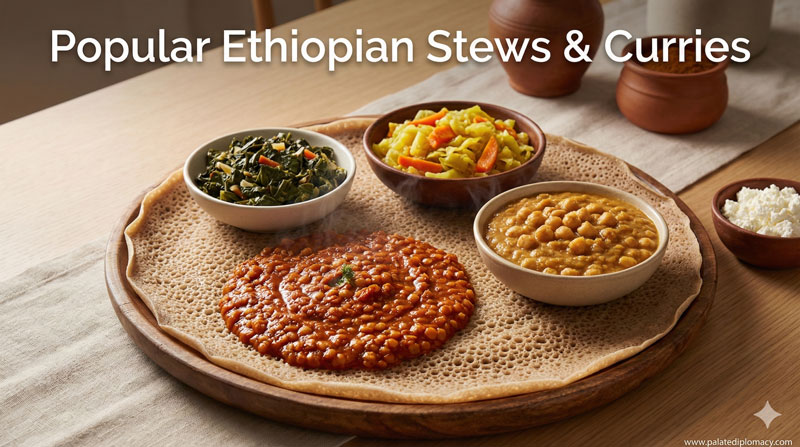
The most natural pairing for Kik Alicha is injera, the soft flatbread that captures every scoop. Together, they form a harmonious balance of texture and aroma. Alongside Kik Alicha, you might find other vegetarian or meat-based stews, greens, and salads that add color and contrast to the plate. A simple cucumber or tomato salad can provide a fresh counterpoint to the creaminess of the alicha. For beverages, tea or a mild coffee after the meal complements the comforting mood of the dish. The overall experience invites you to slow down, listen to the soft simmering of the pot, and enjoy a meal that feels both nourishing and intimate.
A Simple Home Guide to Try It
If you want to savor Kik Alicha at Home, here is a straightforward approach:
– Gather: yellow split peas, onions, garlic, ginger, turmeric, oil or butter, salt, water or broth.
– Prepare: rinse peas; chop onions, garlic, and ginger.
– Cook: sauté onions until soft; add garlic and ginger; bloom turmeric; add peas and liquid; simmer until creamy.
– Finish: salt to taste and adjust the consistency with a touch more liquid if needed.
– Serve: spoon onto injera, pair with a variety of other dishes, and enjoy with friends or family.
This simple method celebrates the dish’s gentle soul and its place in everyday life.
Closing Thoughts: The Beauty of Kik Alicha
Kik Alicha is a window into Ethiopian dining culture. It shows how a simple legume can become a beloved centerpiece through careful technique and shared meals. The dish invites appreciation for balance, patience, and hospitality. By exploring Kik Alicha, you gain not just a recipe, but a sense of how food can carry warmth, memory, and community. Enjoy it with care, and let its yellow glow brighten your table the same way it lights up a gathering in an Ethiopian home.