
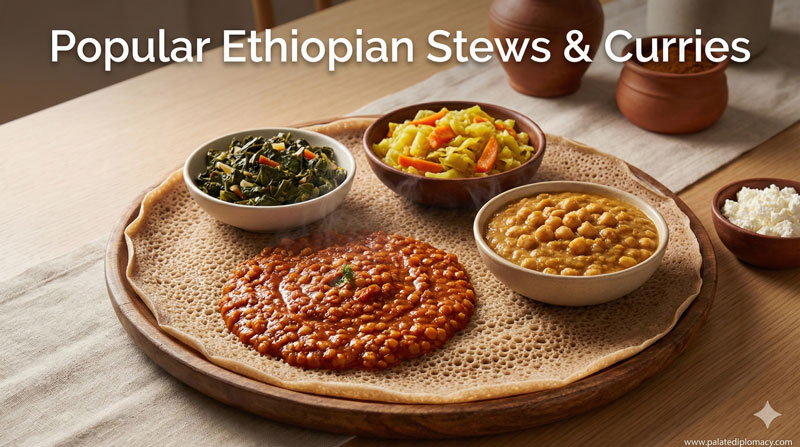
Everything You Need to Know About Kik Alicha invites you into the gentle world of Ethiopian cooking. This mellow yellow stew centers on yellow split peas and a warm blend of onions, garlic, ginger, and turmeric. Simple in its core, this dish carries a rich presence on many tables, celebrating the comfort of home cooking and the art of mindful flavor.
What is Kik Alicha?
Kik Alicha is a traditional Ethiopian stew known for its mild, comforting taste. The name signals its gentle character: “alic ha” or “alicha” translates to mild. The dish foregrounds yellow split peas (kik), simmered until they’re tender and creamy. Onions provide sweetness, while garlic and ginger add glow and depth. Turmeric gives the golden color and a soft pepperiness. Most often, Kik Alicha is enjoyed with injera, the sour flatbread that complements the stew’s smooth texture. Together, they create a balanced bite that feels at once hearty and bright.
Core Ingredients and Flavor
The backbone of Kik Alicha is simple, sturdy ingredients. Yellow split peas stand in for the protein, joined by onions, garlic, and fresh or ground ginger. Turmeric provides warmth and color, while cumin and coriander add a subtle earthiness. Salt finishes the dish, and a small amount of oil or clarified butter (niter kibbeh) brings everything together. Optional touches, such as a hint of chili or a splash of water, let cooks adjust the heat and consistency. The result is a golden, fragrant sauce with a mellow yet satisfying flavor profile.
The Cooking Process in Brief
First, heat oil in a pot and sauté onions until they soften and turn translucent. Next, add garlic, ginger, and the ground spices. Then stir in the yellow split peas and enough water to cover. Simmer gently until the peas are tender and the mixture thickens to a silky consistency. Finally, season to taste and serve hot with injera. The steps are straightforward, making Kik Alicha accessible for both weeknights and weekend meals.
Cultural Value in Ethiopian Cuisine
Kik Alicha plays a meaningful role in Ethiopian culinary culture. It embodies the principle of balance—simple ingredients transformed by time, patience, and careful seasoning. As a vegetarian option, it is a staple during periods of fasting and a reliable choice for mixed-table meals where both meat and non-meat dishes appear. The dish also highlights the communal nature of Ethiopian dining, where injera serves as a shared utensil and each bite blends together with others on the platter. In this way, Kik Alicha becomes more than sustenance; it is a bridge between family members, generations, and everyday life around the table.
Regional Variations and Personal Touches
Families and regions put their own stamp on Kik Alicha. Some cooks use a touch of niter kibbeh for a richer aroma, while others prefer a lighter oil. The level of turmeric can vary, adjusting the color and warmth. Some cooks add small vegetables like carrots or potatoes for extra texture, while others keep the dish purely legume-based. These variations celebrate individual kitchens while honoring the shared method that defines Kik Alicha.
Serving Suggestions and Pairings
The classic presentation pairs Kik Alicha with injera on a shared platter. Tear a piece of injera, scoop up the stew, and fold the bread into a soft, cohesive bite. The mild flavors pair well with other Ethiopian stews, such as lentil-based dishes or tomato-based additions, creating a colorful, nourishing spread. Fresh herbs or a squeeze of lemon can brighten the dish at the table, while a side of fermented vegetables adds a pleasant tang.
A Quick Guide for Home Cooks
- Soak dried peas if you can, or rinse canned peas well.
- Start with onion heat until sweet, then add garlic and ginger.
- Use turmeric for color and gentle warmth; adjust cumin and coriander to taste.
- If the mixture seems too thick, add a little water; if too thin, simmer longer uncovered.
- Finish with salt to taste and serve with injera for an authentic experience.
- Keep the dish warm and share it with loved ones for the best echo of Ethiopian hospitality.
Final Thoughts
Kik Alicha showcases how modest ingredients can yield a dish of quiet elegance. Its golden hue, comforting texture, and flexible preparation invite cooks and diners to slow down and savor a communal eating moment. Whether you are exploring Ethiopian cuisine for the first time or revisiting a familiar family recipe, Kik Alicha offers a welcoming doorway to a culture that values balance, nourishment, and togetherness at the table.