
Why Injera Is One of Ethiopia’s Most Loved Dishes
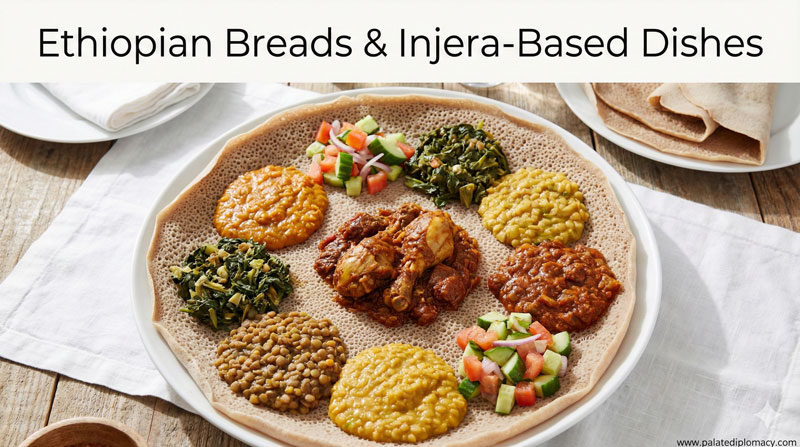
Injera sits at the center of Ethiopian meals, a soft, spongy canvas that invites conversation, shared bites, and warm hospitality. This flatbread is more than food; it is a cultural symbol that speaks of care, craft, and a community’s daily life. When you see injera unfurl across a platter, you glimpse a tradition that blends food, family, and place into one delicious moment.
The Dish That Opens a Table
Injera becomes the first guest at the table. Its round, generous surface lays the scene for a meal, covering a large plate called a mesob in many homes. Family members gather around, tear off pieces, and use them to scoop stews and salads. The act of sharing injera creates a rhythm of hospitality that guides conversations, helps pace the meal, and makes everyone feel welcome. This is not a solo dish; it is a communal ritual that marks everyday life with warmth and care.
Fermentation: The Quiet Craft Behind the Flavor
The heart of injera’s character lies in its fermentation. Teff flour, water, and natural yeasts mingle to create a batter that rests and breathes. Over time, the mixture develops subtle tang and light, airy holes. This fermentation is a living process, shared across generations by families who pass down tips for timing and temperature. The result is a distinctive aroma and a lively texture that cannot be rushed. Fermentation gives injera depth, brightness, and a sense of place in every bite.
Texture and Taste: A Gentle Balance of Tang and Tenderness
Injera offers a soft, slightly chewy bite with a bright, inviting tang. The surface is porous, a tiny landscape of air pockets that catches sauces and stews without overwhelming them. Its mild flavor acts as a friendly partner to bold wat (stew) flavors, lending balance rather than competing with them. The texture is versatile enough to accommodate a spicy kiss from a pepper sauce or a smooth scoop of lentil, meat, or vegetable stews. This balance makes injera a canvas that highlights the season’s ingredients while keeping the meal cohesive.
Injera as Plate, Utensil, and Shared Experience
A key aspect of injera’s culinary significance is its dual role as plate and utensil. Diners tear a piece of injera and use it to scoop curries, vegetables, and pulses. The bread becomes the tool, the vehicle for flavor, and the shared experience of eating. This simple practice teaches attentiveness and gentleness at the table. It also reduces waste, as the leftover pieces can be folded into mops for sauces or shared among guests. The result is a meal that feels intimate, practical, and deeply human.
Teff, Heritage, and the Land
Injera rises from teff, a tiny grain with a proud presence in Ethiopian fields. Teff is celebrated for its nutritional value and its resilience in diverse climates. The grain’s delicate aroma and gilded hue reflect the soil and seasons of the harvest. When teff flour meets water and time, the result is injera’s characteristic color and flavor. This connection between grain, process, and plate underscores the cultural value of injera as a food that honors the land and the people who tend it.
Everyday Meals and Timeless Celebrations
Across households, injera accompanies both daily meals and festive occasions. It sits at breakfast with stews and fresh vegetables, at lunch with a chorus of spicy sauces, and at dinner as the centerpiece of a social, shared meal. Special gatherings bring out varieties of wat—beef, lentil, mushroom, or vegetable—and the injera soaks up every note of flavor. In joyous moments and quiet evenings alike, injera has a way of turning eating into a cherished ritual, a time to listen, laugh, and connect with loved ones.
A Dish That Reflects Care, Craft, and Community
What makes injera so beloved is not only its taste or texture but the care woven into every step—from farming teff to fermenting the batter, from baking to serving. The process invites patience and collaboration: bakers, family members, and cooks each contribute a part to the final meal. This shared effort mirrors Ethiopian values of cooperation and warmth. Injera is a daily joy and a bridge between generations, celebrating skill, memory, and togetherness.
A Palette of Possibilities within a Simple Form
Injera’s beauty lies in its simplicity and adaptability. It welcomes a spectrum of flavors and textures, from smoky stews to bright salads, while maintaining a soft backbone that holds a meal together. Its versatility lets cooks express seasonal ingredients, regional variations, and personal touch. Whether thick or thin, plain or finely textured, injera remains faithful to its role: a versatile, comforting base that enhances a feast or a quiet family supper.
Craft, Culture, and the Ever-Preshent Plate
Ultimately, injera embodies a philosophy of food as connection. It invites conversation, invites sharing, and invites a slow appreciation of flavor, texture, and technique. Its cultural value appears in the way it organizes a meal, the care given to fermentation, and the respect shown to ingredients and guests. It’s a dish that makes a table feel complete and a home feel inviting.
Closing: The Enduring Love for Injera
Injera is one of Ethiopia’s most loved dishes because it captures the spirit of Ethiopian dining: warm, generous, and spirited in its simplicity. It stands as a testament to craft passed down through families, to the land that nourishes it, and to meals that bring people together. If you approach injera with curiosity, you will discover a texture that delights, a tang that tells a story, and a cultural jewel that continues to shine at the heart of Ethiopian life.