
Top Reasons Ethiopians Love Injera
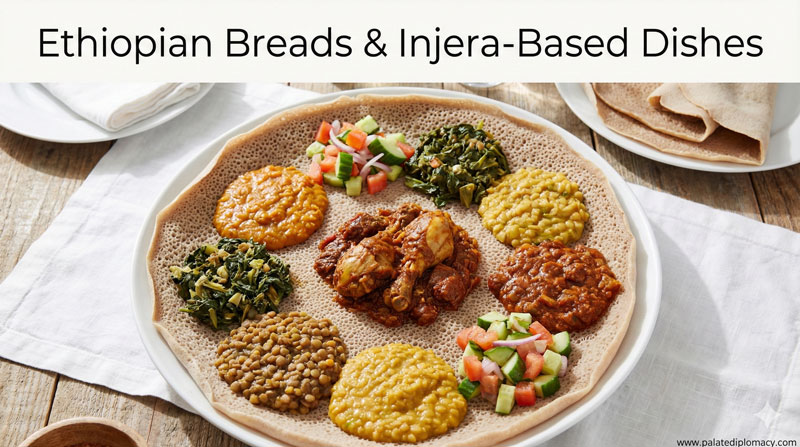
Injera sits at the heart of Ethiopian meals. This round, spongy bread is more than food; it is a shared experience. Ethiopians value injera for its flavor, texture, and its ability to bind a meal together. The dish roots itself in daily life and special occasions alike. Each bite invites calm focus, warmth, and a sense of belonging.
A Culture of Sharing
First, injera acts as a plate and a utensil. Small bowls of stews rest on its surface, inviting everyone to reach and tear. The tear becomes a gentle, unhurried ritual that opens conversation. Gursha, the act of offering a bite to a guest with injera, signals welcome and care. This simple gesture builds trust and hospitality around the table.
Fermentation Craft and Flavor
Moreover, fermentation shapes injera’s character. The batter rests, developing a bright tang and a mellow complexity. The process is patient and attentive, a quiet craft handed down through families. Cooks spread the batter on a hot, circular pan called a mitad, forming a large, even circle with tiny holes. The result is a light, airy bread that carries sauces with grace.
Texture and Culinary Language
The surface of injera shows a delicate honeycomb of holes. These pockets trap steam and little flavor pockets for sauces. The bread’s spongy interior absorbs moisture without becoming heavy. This texture creates a culinary language: plain grains need no heavy sauce to shine, and sauces gain lift from the bread that carries them. Varieties may use teff alone or blend other grains, each producing a slightly different character while keeping the signature softness.
The Plate, Utensil, and Eating Rituals
Injera serves as the table’s center and a natural utensil. Diners tear a piece, scoop a portion of wat or vegetarian stews, and eat with their fingers. The practice encourages mindful bites and shared pacing. At many tables, elders guide the pace, supporting a respectful, unhurried meal. In this way, injera shapes how conversations unfold and how meals feel.
Teff: Grain of Tradition
Teff is small but mighty. It thrives in highland soils and lends injera Its Unique sour note and soft bite. Teff is naturally gluten-free and rich in minerals, iron, and calcium. This grain connects daily nourishment with heritage, linking farmers, families, and cooks in a continuous loop of care and craft. When teff is milled and fermented, it becomes a bridge between land and table.
Everyday Moments and Special Occasions
Injera appears in everyday meals and in celebrations alike. It supports simple breakfasts, hearty lunches, and festive feasts. In many homes, a meal with injera is a welcoming invitation to gather, share stories, and savor seasonality. The bread adapts to what is offered beside it, from tangy stews to fresh vegetables, making every plate feel complete and balanced.
Preserving a Rich Heritage
Finally, injera carries memory and pride. Families pass techniques from one generation to the next, preserving a cooking rhythm that honors patience and care. The recipe becomes a family treasure, shared with visitors and kept alive by daily practice. This living tradition keeps the dish vibrant, inviting new tastes while honoring its origins.
In summary, injera endures as a cultural cornerstone and culinary delight. Its value lies in the act of sharing, the craft of fermentation, the language of texture, and the quiet dignity it lends to every meal. For Ethiopians, injera is not just food; it is a welcome, a memory, and a celebration of everyday life.