
Why Travelers Are Falling in Love with Injera with Wat
Injera with wat welcomes travelers with warmth and a quiet invitation to slow down. The dish blends a spongy, tangy flatbread with a sultry, slow-cooked stew. This pairing is more than flavor; it is a doorway into a shared way of eating. Travelers often leave with a sense that they have touched a place through its table rituals, textures, and memories of home cooking. The experience feels timeless, yet it is rooted in daily life, crafted with care, and offered with generosity.
Injera: The Plate and the Taste
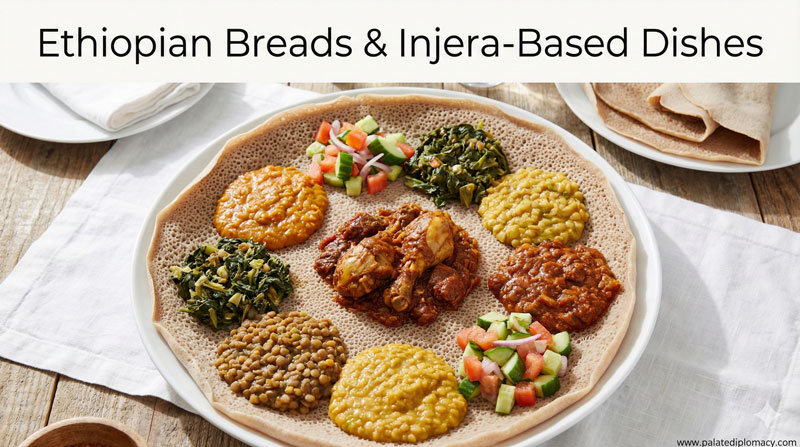
Injera is both bread and plate. It carries the meal and becomes part of it. Teff flour gives injera its distinct sour note and fine holes that cradle sauces. The texture is airy and soft, yet sturdy enough to hold wat. When you tear a piece, you release a whisper of aroma that signals a welcome. For many travelers, this dual role—edible utensil and flavor base—creates a sense of harmony between how food tastes and how it is served.
Wat: A Harmonious Slow-Cooked Sauce
Wat is the soul of the meal. It is a stew that gathers spices, aromatics, and time. Each variety tells a story: misir wat (lentil), Doro Wat (chicken with hard-boiled eggs), or shiro wat (ground chickpeas). The base often features onions cooked until caramelized, ginger, garlic, and berbere, a bold spice blend. Some recipes finish with a hint of niter kibbeh, a spiced clarified butter. The result is depth, warmth, and a slow-release flavor that lingers on the palate. Travelers savor the way wat layers aroma onto the teeth and senses, while injera carries the chorus of spice.
The Fermentation Craft: Teff and Time
The magic begins with fermentation. Teff flour, water, and a live starter interact with heat and air to create a light, airy batter. Fermentation brings a bright tang, a subtle sourness, and a delicate aroma that changes with the day and the kitchen. The process is patient, precise, and communal in spirit. Travelers notice how a simple batter can become a soft, resilient sheet that carries every bite of wat. The craft of making injera reflects a respect for time and natural transformation.
Sharing, Hospitality, and Rhythm
In many meals, the table becomes a circle of conversation, laughter, and shared sensation. People gather around injera, tearing off pieces to scoop the sauce, and passing bowls with a nod or a smile. This arrangement teaches a rhythm of give-and-take, attentiveness, and mutual enjoyment. The practice speaks to hospitality—the belief that good food is best when shared. For travelers, this social texture adds a layer of meaning to every bite, turning eating into an act of connection and celebration.
Eating Etiquette: A Gentle, Respectful Experience
The experience is easy to participate in, yet it invites respect. Use the flatbread to scoop wat, avoid cluttered plates, and keep a relaxed pace. If bread or sauce splashes, a simple, cheerful apology and a shared laugh often follows. The etiquette is less about rules and more about mindfulness: notice aromas, savor textures, and honor the hands that prepared the meal. This considerate approach helps travelers feel welcome and present in the moment.
The Scent, Texture, and Flavor Journey
As you approach injera with wat, you encounter a multisensory journey. The aroma of toasted spices rises first, then the tang of teff bread. The surface texture is spongy and slightly porous, inviting a soft press with the fingers. The flavor is a balance of tangy, savory, and mellow fat notes from butter or oil. Each bite blends bread and sauce into a unified sensation. Travelers often describe the moment as comforting and uplifting, a taste that lingers in memory long after the meal ends.
A Simple Dish with Deep Roots
Injera with wat is simple in structure but rich in meaning. It is a daily staple that travels well into homes, markets, and small eateries. Its beauty lies in its accessibility and its ability to convey a sense of place. The dish offers continuity across seasons and generations, a living thread in a city’s or village’s culinary fabric. For travelers, that continuity is a gift—the chance to feel anchored in a place while moving with curiosity.
A Traveler’s Take: Practical Tips for Savoring
- Seek a place where locals gather and observe the pace of the meal. The atmosphere often reveals the heart of the dish.
- Watch how injera is torn and how wat is scooped. Let the motion guide your timing and your conversation.
- Relax your palate to notice the tang of injera and the layers of wat. Start with a small bite to settle into the flavors.
- Pair the dish with a simple beverage, such as tea or a light juice, to cleanse the palate between bites.
- Take your time. A shared meal unfolds best when you slow down and listen to the hum of conversation.
The Cultural Value: A Living Tradition in Every Bite
Injera with wat embodies a living tradition that travelers can taste. It signals hospitality, community, patience, and care. The dish shows how food can knit daily life with memory, art, and craft. By sharing injera and wat, communities narrate their culinary identity in a universal language of warmth. For travelers, this experience nourishes curiosity and respect, enriching the journey with a deeper sense of connection to the place and its people.
Culinary Significance: Craft, Craftsmanship, and Comfort
Culinarily, the dish demonstrates the elegance of simple ingredients used with skill. Teff’s nutty, slightly sour profile meets the savory depth of slow-cooked wat. The seasoning—often bold but balanced—highlights how spice can illuminate rather than overwhelm. The combination teaches a philosophy of balance: playfulness in texture, richness in aroma, and clarity in finish. For cooks and curious eaters, injera with wat offers a model of how tradition can thrive when technique and heart align.
A Gentle Invitation to Explore
If you are a traveler seeking foods that tell a region’s story, injera with wat is a gentle invitation. It welcomes with aroma, sustains with nourishment, and reveals a culture through how people eat together. The dish invites curiosity, practice, and appreciation. In its simplest form, it is a meal; in its fullness, it is a cultural sonnet about sharing, craft, and care.
Conclusion: A Timeless Favorite on the Road
Injera with wat stands out because it blends texture, aroma, and social meaning into a single experience. It offers travelers a savory memory of hospitality and a respectful window into daily life. The dish rewards slow tasting, mindful savoring, and gentle engagement with a new dining rhythm. For anyone wandering with a curious palate, this meal remains a welcoming beacon—an invitation to connect, to learn, and to celebrate the beauty of food as culture.