
Introduction
Fit-fit is more than a dish; it is a doorway into Ethiopian table culture. On a shared platter, torn injera carries a chorus of flavors and invites conversation. This plate celebrates seasonality, balance, and generosity. By exploring its ingredients and preparation, we see how food becomes a living expression of hospitality and daily life. In Fit-fit, technique and heart unite to honor tradition and flare with everyday creativity.
What Is Fit-Fit?
Fit-fit is prepared by tearing injera into small pieces and tossing them with a sauce or mixture that coats each fragment. The result is a saucy, textured dish where bread, spice, and aroma mingle. Common elements include berbere for warmth, onions and garlic for depth, and a touch of niter kibbeh for a silky finish. Some cooks add a quick meat component or vegetables, while others keep it plant-based and bold. The method is straightforward, yet the dish feels purposeful and celebratory.
The Flavor Architecture: Texture, Aroma, and Balance
The beauty of Fit-fit lies in its contrast. The injera brings a soft tang from teff fermentation, while berbere introduces a layered heat and fragrance. Onion sweetness swells through the sauce, and a drizzle of clarified butter adds a luxurious gloss. As you mix, the bread soaks up flavorful oils, yet holds its shape. The result is a harmonious balance of sour, spicy, and savory notes, carried by a consistent, comforting brightness. This flavor profile mirrors Ethiopian culinary principles: clarity of taste, restraint with richness, and a readiness to share.
Injera as Plate and Symbol
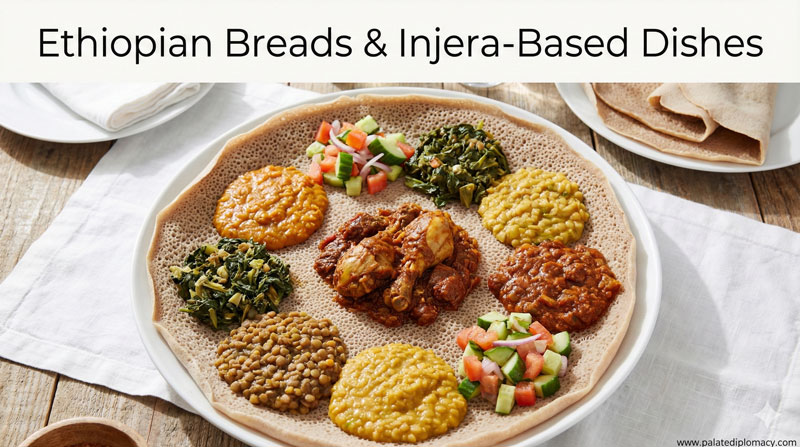
Injera is more than a flatbread; it is a culinary canvas. When Fit-fit is served, torn injera acts as both plate and utensil, enabling diners to scoop, twist, and roll. This arrangement reinforces the social center of Ethiopian meals: communal participation. The bread’s color, texture, and pliability set the tone for the gathering. As guests reach from the same platter, the dish becomes a living ritual of hospitality, respect, and togetherness. Injera’s unique character—soft, porous, and slightly sour—frames the entire eating experience.
Shared Meals and Community
Eating Fit-fit is a shared event. Families and friends gather around a large serving plate, passing pieces across the circle and inviting others to try different bites. This practice cultivates connection, conversation, and a sense of belonging. The dish demonstrates how Ethiopian culture values togetherness at mealtimes. It also allows cooks to express care through thoughtful seasoning, timing, and balance. In every spoonful, there is a story of communal warmth and mutual regard.
Craft, Technique, and Tradition
The craft of Fit-fit shines in simple decisions. Tear injera into the right size so pieces hold sauce without disintegrating. Toss gently to distribute flavors evenly, avoiding sogginess while preserving texture. Toasting spices briefly releases aroma, while a careful hand with butter ensures a glossy finish without heaviness. The technique respects tradition yet welcomes personal touch, so families and cooks adapt Fit-fit to their pantry and preferences. This adaptability reflects a foundational Ethiopian culinary value: make it functional, make it inviting, make it your own.
The Role of Teff and Local Ingredients
Teff, the grain behind injera, carries a distinctive tang and resilience. Its flavor anchors Fit-fit in Ethiopian identity, while its texture enhances every bite. Berbere provides warmth and depth without overpowering the dish. Niter kibbeh adds a delicate perfume of spices such as fenugreek, cloves, and cinnamon. Together, these ingredients teach that Ethiopian cooking thrives on balance—bright acidity, comforting spice, and a clean, lingering finish. Local ingredients connect the dish to place and season, making Fit-fit a reflection of the land and its harvests.
Fit-Fit and Everyday Life
Fit-fit embodies practicality and joy. It adapts to what’s available, turning leftovers into a fresh, satisfying meal. The dish rewards careful sourcing—spices with a bright, clean aroma; injera with a soft, pliable bite. Yet even with limited ingredients, the dish shines when attention to technique is applied. In homes and kitchens, Fit-fit becomes a reliable bridge between desire for flavor and need for nourishment. The result is not just a meal but a ritual of mindful cooking and shared pleasure.
A Cultural Window into Hospitality and Craft
Across Ethiopian dining rooms, Fit-fit serves as a tangible expression of hospitality. Guests are welcomed with warmth, and the table becomes a space for dialogue, laughter, and comfort. The dish invites experimentation while upholding respect for tradition. The combination of injera, spice, and butter mirrors a broader cultural pattern: honor the land, invite others to share, and celebrate everyday abundance. Fit-fit stands as a graceful link between grandmother’s recipes and the present moment, a testament to the enduring beauty of Ethiopian food culture.
Conclusion: Fit-Fit as a Living Heritage
Fit-fit reflects Ethiopian food culture through its shared nature, its textures and flavors, and its everyday elegance. It shows how a simple torn bread can become a bridge between people, places, and seasons. The dish honors technique without ceremony, inviting cooks to contribute their own touch while preserving core flavors. In every bowl, Fit-fit conveys warmth, generosity, and reverence for ingredients. For anyone tasting it, the dish offers a meaningful glimpse into a cuisine that celebrates community, craft, and the joy of a well-shared meal.