
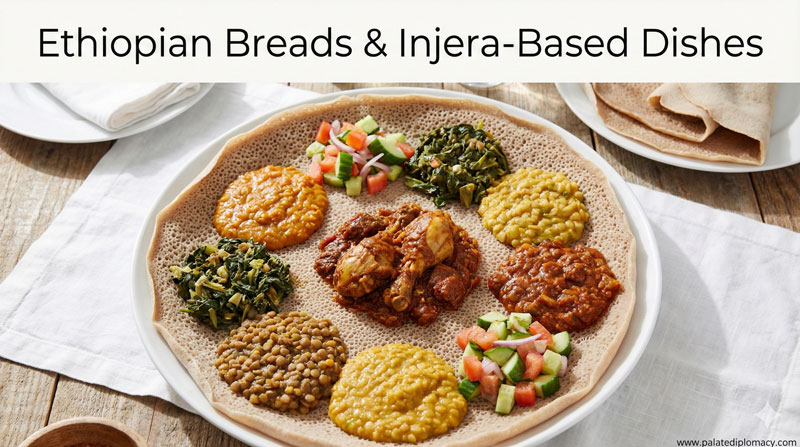
Injera is more than a dish in Ethiopia. It is a living part of daily life, a canvas for flavor, and a gentle chorus of shared hospitality. Made from teff flour and time-honed fermentation, injera carries culture in its texture and tang. This post shines a light on the Top Reasons Ethiopians love injera, focusing on cultural value and culinary significance.
A Symbol of Hospitality
Injera acts as a welcoming gesture on every table. A large round sheet lays out on a flat, woven surface and invites guests to gather. The host breaks pieces with the fingers and offers them to newcomers, turning a meal into a moment of connection. Eating from the same bed of injera creates a warm, inclusive atmosphere. The practice remains practical too: it serves as both plate and utensil, guiding conversation as dishes arrive.
A Culinary Foundation for Every Bite
Injera does more than hold food; it shapes the dining experience. Its gentle sourness and soft, spongy texture lift the flavors of wat (stews), vegetables, and legumes served alongside. Diners use torn pieces of injera to scoop bites, letting the bread mingle with sauces. This partnership between bread and dish brings balance to the meal, highlighting the richness of spices and the depth of slow-cooked flavors.
The Fermentation Art
The heart of injera lies in fermentation. Teff flour and water mingle, resting to awaken bubbles and aroma. The fermentation creates a light acidity that evolves during cooking. A well-made injera has a lace-like network of holes, a sign of careful fermentation and skill. This process is a daily craft in many homes, taught across generations, and celebrated for the lively edges it brings to each bite.
Teff and the Grain of Life
Teff is the star grain in most injera, prized for its tiny seeds and ancient heritage. Teff contributes a distinct, delicate tang and a nutritional profile that many families value. In some regions, cooks blend teff with other grains for varying textures and colors, expanding the range of injera while keeping the core spirit intact. The grain embodies resilience and tradition, linking farms to tables in a timeless rhythm.
Shared Meals and Etiquette
Eating injera is a ritual of shared meals. Food is laid out on a flat surface, and guests gather in a circle of warmth. Diners tear small pieces of injera and use them to collect bites, often with the right hand. No fork is needed—only the hand, the bread, and the generosity of a communal table. Etiquette emphasizes care, balance, and consideration, inviting everyone to participate in a gentle, unhurried pace.
Regional Variations and Flavors
Injera comes in regional nuance as well as personal touch. The color and aroma can vary with the precise blend of grains and the length of fermentation. Some households favor a lighter, more delicate texture, while others embrace a deeper tang and a sturdier bite. You may encounter injera made with a blend of teff and other grains, creating subtle differences in taste and mouthfeel. These variations celebrate local harvests and family traditions while keeping the core method intact.
Injera and Everyday Life
Injera adorns daily meals and special moments alike. It anchors family gatherings, market visits, and simple dinners at Home. The bread’s role extends beyond sustenance: it is a symbol of care, patience, and shared joy. The act of passing injera from person to person mirrors the spirit of generosity that colors Ethiopian food culture. In this sense, injera is a daily celebration, a humble canvas that makes every dish feel welcoming.
Celebrations, Rituals, and Enkutatash
Injera participates in ceremonies and holidays with quiet dignity. On festive occasions, plates expand to include colorful stews, fresh vegetables, and varieties of injera that reflect seasonal harvests. The bread becomes a link between tradition and today, a reminder that a meal can honor ancestors, harvests, and community. With its universal role at gatherings, injera reinforces a sense of belonging and shared memory.
A Living Taste of Ethiopian Heritage
Ultimately, injera embodies a living heritage. Its texture, its aroma, and its communal use tell a story of farms, kitchens, and gatherings passed down through families. Each bite echoes the patience of fermentation, the skill of the cook, and the warmth of a table shared with friends and family. Injera invites visitors and locals alike to slow down, savor the moment, and appreciate the beauty of Ethiopian food culture.
Injera stands as a beacon of culinary significance and cultural value. It links technique with emotion, soil with table, and individual taste with communal joy. This humble bread, with its bright sour note and forgiving sponge, remains at the center of Ethiopian meals—an enduring symbol of hospitality, tradition, and the simple grace of sharing food together.