
Introduction
Ackee and saltfish is more than a dish. It is a bright reflection of Caribbean Food Culture. The meal speaks with warm aromas, vibrant colors, and a balance of textures. It invites curiosity and celebrates everyday cooking. This post explores its cultural value and culinary significance. We will look at how the dish comes together in kitchens across The Caribbean and why it remains a beloved staple in many homes.
The star duo: ackee and saltfish
Ackee is a unique fruit that turns creamy and pale yellow when cooked. Saltfish is dried, salted cod that gains depth with gentle soaking and careful handling. Together, they create a harmony of flavors: the mild sweetness of ackee and the savory, briny bite of saltfish. The dish often includes onions, peppers, thyme, scallions, and a touch of tomato. These elements bring brightness and balance. The result is comforting, familiar, and inviting to both seasoned cooks and newcomers.
Flavor, texture, and technique
The technique matters as much as the ingredients. Sautéed onions and peppers release a sweet aroma. Thyme and scallions add fresh, green notes. Gentle heat keeps the ackee from breaking apart. The saltfish is flaked into tender pieces, adding a savory backbone without overpowering the fruit. The final dish presents a creamy, fluffy texture from the ackee with bite from the saltfish. The colors—pale yellow, white flakes, and emerald greens—make the plate feel lively and welcoming.
A meal for many moments
In Caribbean households, ackee and saltfish often appears as a breakfast staple, a hearty weekend option, or a satisfying weeknight dish. It adapts to many moments. First, it welcomes the day with a bright start. Next, it serves as a comforting family meal after a busy morning. Then, it becomes a unifying dish for gatherings where friends and family share stories over a warm plate. The dish fits naturally into celebrations and ordinary days alike, proving its versatility and enduring appeal.
Regional variations and regional pride
Across the Caribbean, cooks add their own touches. Some recipes lean into a stronger pepper note for a hint of heat. Others emphasize fresh herbs or a splash of lime for brightness. The choice of sides also varies: fried dumplings, boiled green bananas, rice and peas, or roasted breadfruit. Each variation honors local tastes while keeping the core pairing of ackee and saltfish intact. This flexibility shows how a single dish can reflect different neighborhood flavors while staying true to its roots.
Serving traditions and pairings
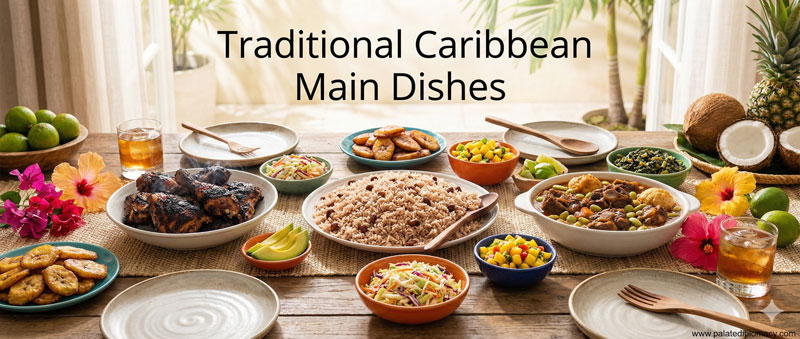
Ackee and saltfish shines in a simple, thoughtful plate. It pairs well with starchy sides that soak up flavors. Rice and peas provide a gentle, comforting base. Fried dumplings add a soft, chewy contrast. Boiled green plantains offer a sweet-savory balance. A squeeze of lime or a light pepper sauce can lift the dish without masking its character. Serving it in a bright, clean presentation makes the colors sing and invites everyone to taste with curiosity.
The sensory experience: aroma, color, and memory
The moment the pan opens, the kitchen fills with an inviting aroma: savory saltfish, sweet ackee, and herbs. The color palette—golden yellow ackee, white saltfish flakes, and green herbs—creates a playful, welcoming plate. This sensory blend helps people remember family meals and friendly gatherings. The dish becomes a gentle bridge between generations, inviting stories and shared tastes that echo through the home.
The cultural value beyond the plate
Ackee and saltfish embodies hospitality, care, and shared effort. It shows how simple ingredients can become something greater through thoughtful preparation. The dish invites cooks to honor patience, balance, and attention to detail. It teaches that flavors can be comforting without being heavy, bright without being loud, and familiar without losing its sense of discovery. In this way, the dish acts as a household ambassador for Caribbean culinary spirit.
How to appreciate the dish today
To truly appreciate ackee and saltfish, look beyond the recipe and notice the rhythm of preparation. Listen for the sizzle of onions and peppers. Observe how ackee is added gently to keep its delicate texture. Smell the thyme and scallions mingling with the saltfish. Taste for a perfect balance between salt and sweetness, and for a lingering finish of herb notes. Also, consider the harmony of the plate with its chosen side. A mindful approach reveals the care that goes into every serving.
A thoughtful, inviting conclusion
Ackee and saltfish is a dish that welcomes you into Caribbean cooking with warmth and clarity. It combines humble ingredients into a dish that feels festive yet familiar. Its enduring appeal lies in its balance, aroma, and versatility. The dish invites families to gather, share, and savor. In every bite, you taste the beauty of Caribbean food culture—a celebration of flavor, craft, and community.
If you are curious to explore more, start with a simple version and pair it with your preferred side. Notice how the flavors evolve with each small adjustment. Enjoy the journey, and let the dish carry you into the heart of Caribbean kitchen life.