
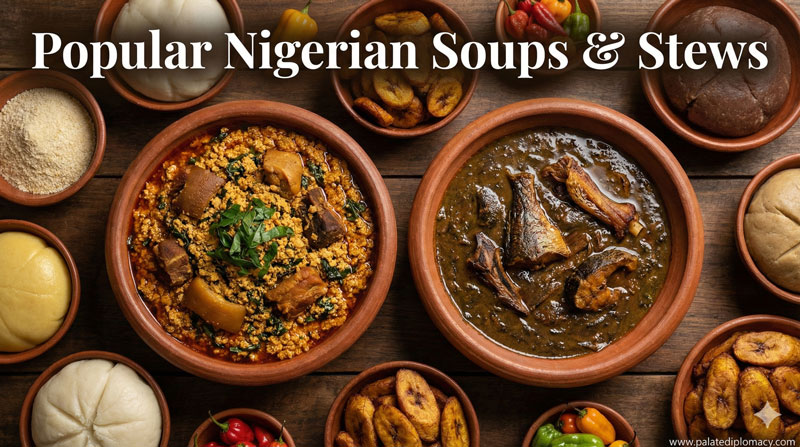
What is Afang Soup?
Afang soup is a cherished Nigerian dish that honors greens, rich broth, and communal dining. The dish blends fresh Afang leaves with water leaves, ground nuts or crayfish, and meat or fish. Bright palm oil adds depth, while pepper and spices wake the palate. The result is a hearty, aromatic soup that feels both inviting and celebratory. Its appeal lies in balance: green vitality, savory depth, and a comforting, saucy texture that clings to a supporting starch.
The Core Greens: Afang Leaves and Water Leaves
The star ingredients are Afang leaves and water leaves. Afang leaves bring a unique, slightly crunchy texture and a green, earthy flavor. Water leaves contribute moisture and a mild sweetness that harmonizes with the greens. Together, they create a layered mouthfeel—from crisp strands to soft, yielding threads. This pairing highlights a respect for seasonal greens and the joy of building a dish around garden gifts.
Richness and Balance: Palm Oil, Crayfish, and Meat
Afang soup showcases a thoughtful balance of elements. Palm oil provides a warm, red-gold body that carries flavor and color. Crayfish or ground nuts add a subtle nuttiness and depth, while meat or fish offers protein and richness. The combination results in a sauce that is robust yet delicate, allowing each component to shine. The result is a versatile dish that adapts to available ingredients without losing its essence.
Craft and Technique: Skill in Preparation
Preparation stories accompany Afang soup. Cooks often layer flavors piece by piece, allowing time for textures to integrate. The greens are prepared with care—thinly sliced or gently pounded—so they release their character without becoming mushy. The broth is built with stock, spices, and the signature palm oil, then finished with the greens. This method reflects a tradition of patient technique and mindful cooking.
Cultural Significance in Nigerian Food Culture
Afang soup embodies hospitality and the joy of sharing. It is common at family meals, celebrations, and everyday dining, serving as a bridge between generations. The dish celebrates abundance—from greens to meat to seafood—and invites everyone to gather, converse, and enjoy. It also acts as a pantry-friendly staple: flexible, comforting, and reliable in many homes. In this way, Afang soup mirrors the warmth, craft, and generosity that many Nigerians associate with everyday cuisine.
Serving and Shared Meals
In practice, Afang soup is often enjoyed with fufu, pounded yam, or garri. The method of serving invites scooping and dipping, encouraging conversation and connection at the table. The accompaniment enhances the experience rather than overpowering it, allowing the green freshness and savory depth to lead the show. This ritual of sharing reinforces bonds and creates lasting memories around a table.
Regional Variations and Personal Touch
Across regions and families, Afang soup carries personal nuance. Some cooks emphasize a stronger greens presence, others highlight a richer oil note. Variations in meat choices, seafood, or seasonings reflect local tastes while keeping the core idea intact. This adaptability showcases Nigerian cuisine as a living tradition—distinct in places, united in spirit.
A Dish of Beauty, Flavor, and Heritage
Afang soup stands as a vivid example of Nigerian Food Culture. It honors greens, savor, and social dining, inviting cooks and guests to slow down and savor. The dish teaches that nourishment can be joyful, gatherings can be warm, and tradition can feel fresh with every bowl. For anyone exploring Nigerian cuisine, Afang soup offers a welcoming, flavorful doorway into these enduring culinary values.