
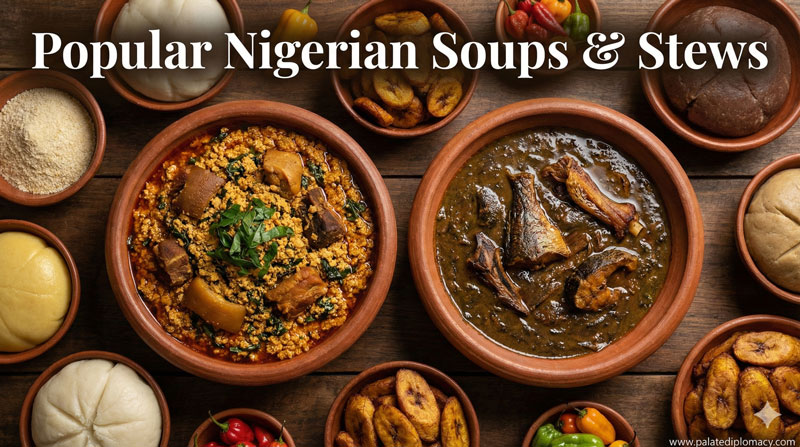
Introduction: Afang Soup, a Colorful Thread in Nigerian Cuisine
Afang soup is more than a tasty dish. It is a living thread in Nigerian Food Culture. Rich greens meet a hearty, fragrant broth. Green hues invite the eye, and the aroma invites the memory of home. This soup shows how flavor, technique, and shared meals shape a nation’s table. In this post, we explore how Afang soup became popular in Nigerian cuisine. We focus on its cultural value and culinary significance. We stay close to the joy, craft, and community it fosters.
What Afang Soup Is and Why It Captures the Palate
Afang soup blends two leafy greens: Afang leaves, also called okazi in many regions, and another green that complements their texture. The leaves come from the Gnetum africanum plant. The approach is simple in idea, rich in effect. A smooth palm oil base, a savory broth, and proteins like fish or meat complete the dish. Crayfish and peppers add depth. The result is a soup that feels fresh and full at the same time. The balance of greens, oil, and protein gives Afang its signature mouthfeel.
The Craft: Techniques That Elevate the Dish
Cooks layer flavors with care. First, greens are washed and sliced to the right thickness. They are then added to a simmering broth, allowing their aroma to infuse. The palm oil contributes color and body, not excess heaviness. Ground crayfish and fish stock deepen the taste with a clean, ocean-bright note. The texture holds a pleasant bite, a testament to careful timing. This technique—gentle simmering, measured additions, and mindful chopping—gives Afang its characteristic harmony.
The Role of Family Kitchens in Spreading Popularity
Afang soup travels through kitchens, not pamphlets. Mothers, grandmothers, and aunties pass down the recipe with pride. Storytelling accompanies the ladle: memories of markets, harvests, and shared meals. Children learn by watching and helping, then later improvise with confidence. This transmission keeps the dish alive and evolving. The family kitchen becomes a small embassy for Nigerian flavor, inviting others to taste and learn.
Markets, Menus, and the Rise of Public Praise
Markets and roadside eateries gave Afang soup a public stage. Vendors offered a fresh, vibrant version daily, drawing curious food lovers. As city dining expanded, chefs and cooks shared modern interpretations. Restaurants began to feature Afang as a flagship option during lunch and dinner services. Social media and food blogs helped spread excitement beyond regional borders. In short, openness to new audiences helped Afang move from homely staple to popular favorite.
Regional Variations: The Flexibility That Drives Popularity
Across regions, families adapt Afang to fit local tastes. Some use additional greens for texture variety. Others adjust the level of heat to suit different palates. Protein choices shift with availability and preference, from fish to lean meats to plant-based options. Yet the core is the same: bright greens, bold broth, and a comforting finish. This flexibility makes Afang accessible to many households and occasions. The ability to tailor while preserving essence drives its lasting appeal.
Serving Traditions: How Afang Finds Its Place at the Table
Afang is often served as a main dish, paired with starchy staples like fufu or pounded yam. Some communities enjoy it with garri on special occasions. The serving method invites sharing, conversation, and connection. A single pot becomes a centerpiece that anchors a gathering. The way it is laid out—greens, broth, and protein—encourages a communal experience. Such rituals elevate the dish beyond nourishment, turning meals into rituals of care.
The Culinary Significance: Flavor, Texture, and Cultural Language
Afang speaks through texture. The greens offer a crisp bite that contrasts with a velvety, palm-oil-scented broth. The dish also communicates patience and balance. Careful timing yields greens that are vibrant but not mushy. The aroma carries notes of freshness, warmth, and sea-inspired depth. In this way Afang serves as a language of Nigerian cooking—clear, expressive, and inviting.
Modern Popularity: Chefs, Festivals, and Everyday Tables
In contemporary Nigeria, Afang appears on menus with pride. Food festivals celebrate its beauty and technique. Chefs showcase how simple greens can carry bold flavor when treated with respect. Home cooks share quick tips and longer methods, encouraging inclusion. The dish remains approachable, yet it invites experimentation. This blend of accessibility and craft fuels its ongoing popularity.
Health, Sustainability, and Respect for Ingredients
Afang showcases how Nigerian cuisine honors ingredients. The greens provide freshness and nutrition, while palm oil delivers essential flavor without overwhelming the dish. The choice of proteins reflects sustainable options and regional abundance. This mindful approach resonates with cooks who value balance, seasonality, and respect for local produce. Afang becomes an example of cooking that is both delicious and responsible.
Conclusion: Afang’s Enduring Place in Nigerian Cuisine
Afang soup is more than a recipe; it is a celebration of taste, technique, and togetherness. Its popularity grew because families shared it, markets offered it, and cooks refined it with care. The dish honors a regional heritage while inviting new cooks to participate. Its rich greens, flavorful broth, and comforting finish make it a timeless part of Nigerian cuisine. As long as people gather around the pot, Afang will continue to thrive, teaching beauty and balance with every serving.