
How Afang Soup Became Popular in Nigerian Cuisine
Afang soup is more than a meal. It is a warm expression of Nigerian hospitality and a testament to the country’s love of greens, rich flavors, and shared tables. Across households, markets, and eateries, Afang soup has grown from a cherished family dish to a beloved staple in many kitchens. Its appeal rests on fresh greens, a comforting texture, and a sense of togetherness that comes with every pot. Today, the dish invites people to slow down, savor, and celebrate everyday life through food.
The Green Core: Afang Leaves and Water Leaves
At The Heart of Afang soup are two bright greens. Afang leaves bring a distinct, silky bite that folds gently into the soup. Water leaves add lightness and body, balancing the greens with a mild sweetness. The combination creates a mood of earth and brightness in every bowl. The greens are prepared with care: washed, trimmed, and cut into ribbon-like strands. This preparation invites a calm, mindful pace in the kitchen and gives the dish its unmistakable texture.
The Art of Preparation
Preparing Afang soup is a communal and deliberate act. Families often begin with a stock pot, simmering meat or fish until it releases deep flavors. Meanwhile, the greens are handled with respect: rinsed, sliced, and readied for the final fold. When the aromatics rise—palm oil’s warm glow, peppers, and seasonings—the kitchen feels inviting. The two greens are gently folded into the base, creating a thick, glossy finish. Each step is a small ceremony that honors patience, balance, and care.
The Palette of Flavor
Afang soup sings with a layered palate. The palm oil provides a rich, reddish hue, a sign of warmth and depth. The greens contribute both freshness and silkiness, making every mouthful bright and substantial. Subtle sea flavors come from dried fish or stock, and a touch of crayfish or other seasonings can deepen the savor without overpowering the greens. The result is a harmonious balance: hearty enough for a feast, delicate enough for a family supper. This balance is exactly why the dish feels both comforting and refined.
Shared Tables and Hospitality
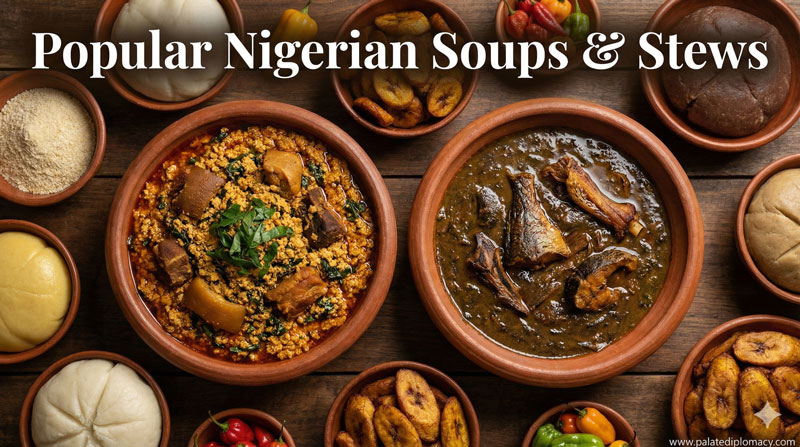
Hospitality shines through Afang soup. It is a dish that welcomes guests with generous portions and careful attention to texture. The act of serving—ladling the soup, setting out fufu, pounded yam, or garri—speaks to a culture that values care and inclusion. Conversations rise as bowls empty and refillings begin. The table becomes a venue for stories, laughter, and mutual appreciation. In this way, Afang soup becomes more than food; it becomes a small ceremony of welcome.
Local Markets, Local Heartbeat
Afang soup thrives because its ingredients come from nearby farms and markets. Fresh greens travel from garden to pot, connecting farmers, cooks, and families. This local flow supports seasonal abundance and dependable flavors. When cooks choose fresh Afang and water leaves, they honor the land and its rhythms. The dish thus becomes a living bridge between daily life and the seasonal harvest, a reminder of the goodness found in home gardens and neighborhood markets.
Regional Variations and Urban Adaptations
Across Nigeria, cooks adapt Afang soup to their own tastes and memories. Some households adjust the ratio of greens to achieve a lighter or heartier finish. Others blend in different proteins or seafood to reflect local preferences. These subtle twists keep Afang vibrant while preserving its essential character: bright greens, a silky body, and a comforting depth. The variations celebrate regional creativity while maintaining a shared love for the dish.
A Dish for Celebrations and Everyday Meals
Afang soup fits both grand occasions and quiet evenings. On special days, families gather to prepare large pots and share generous servings. On ordinary days, it sustains a family with nourishing portions and a sense of togetherness. The dish carries a mood of generosity, whether enjoyed in a fancy setting or a cozy kitchen. This versatility contributes to its enduring presence in Nigerian Food Culture.
The Enduring Spirit of Afang in Nigerian Cuisine
Over time, Afang soup has become a symbol of communal life and culinary craft. It invites cooks to balance textures, colors, and flavors with grace. It teaches patience, care, and respect for ingredients. Most of all, Afang soup celebrates the beauty of a shared meal: greens that glow, a pot that steams with warmth, and friends and family gathered around a table. The dish’s popularity rests on this simple, powerful idea—that good food brings people together and nourishes both body and spirit.
If you are discovering Afang soup for the first time, approach it with curiosity and gratitude. Try fresh greens, slow simmering, and a thoughtful mix of flavors. You will find not only a delicious plate but also a small window into the warmth and richness of Nigerian food culture. Enjoy the journey, and let the laughter, aroma, and color of Afang soup guide your kitchen moments.