
Introduction
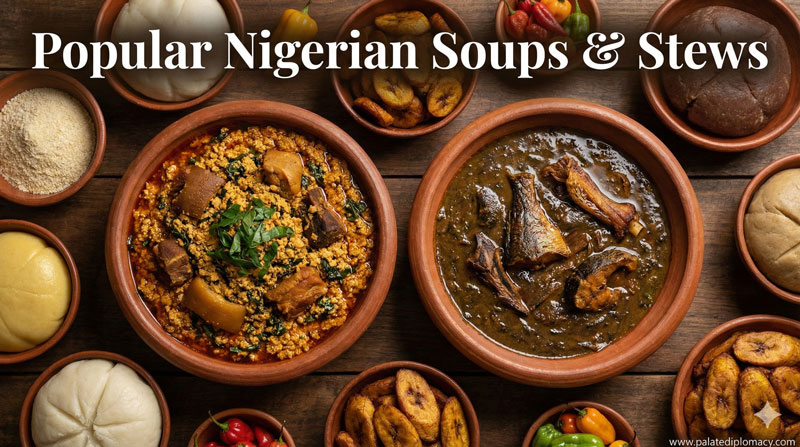
Afang soup is a bright, nourishing dish that holds a special place in Nigerian cuisine. It blends tender greens with a comforting, savory broth to create a meal that feels Like a warm welcome. This post looks at how Afang soup grew popular, by honoring its cultural value and its culinary craft. You will discover why this dish delights the palate and how it fits into everyday life, celebrations, and shared meals.
The ingredients and the craft
At its core, Afang soup brings together fresh Afang leaves and water leaves. The greens provide a lush, silky body that carries the other flavors. Meat, fish, or seafood lend depth, while palm oil adds depth of color and aroma. Aromatics, crayfish, and seasoning bring a shoreline of umami to the pot. The result is a soup that feels both hearty and bright. The technique is steady and mindful: simmer the stock, fold in greens, and gently stir to keep a smooth, cohesive texture. This careful balance between greens and protein highlights the hands-on skill of the cook and the generosity of the kitchen.
Cultural value: hospitality and shared meals
Afang soup shines in its role as a dish of hospitality. It appears at family gatherings, community feasts, and weekend dinners. The act of serving a communal pot reinforces ties among friends and relatives. In many homes, cooking Afang is a warm ritual—measuring greens, tasting broth, and inviting others to partake. The soup’s vibrant color and inviting aroma signal welcome. It invites conversation, slows time, and makes room for connection. In this way, Afang soup is not just sustenance; it is a cultural practice that celebrates togetherness and care.
Culinary significance: texture, aroma, and balance
The culinary magic of Afang soup lies in its textures and layers of flavor. The Afang leaves contribute a crisp, leafy bite that softens as it blends with the water leaves. Palm oil adds a glossy, rich note without overpowering the greens. The protein from meat or fish offers a satisfying backbone, while dried shrimp or crayfish lend a delicate ocean scent. Crushed or ground spices and seasonings bring a gentle kick that enhances the greens rather than masking them. This balance between fresh greens, savory meat, and fragrant oil makes Afang soup a standout in Nigerian cooking, prized for its harmony and depth.
The rise in popularity: from homes to menus
Over time, Afang soup moved from family kitchens to broader Nigerian menus, enriching the national palate. Home cooks refined the technique, adjusting the balance of greens and seasonings to suit local tastes. Small eateries and bustling markets began featuring Afang soup as a reliable, beloved option. Restaurants highlighted its textural complexity and comforting richness, inviting more people to experience the dish. Community celebrations often showcase Afang soup as a centerpiece, further cementing its place in Nigerian food culture. This flow—from home kitchen to public tables—demonstrates how a traditional dish can flourish through shared affection for good food.
Regional expressions and variations
Across Nigeria, cooks adapt Afang soup to reflect regional preferences. Some kitchens emphasize the pairing greens—Afang leaves with water leaves—for the dish’s signature body. Others introduce different proteins, such as fish, snail, or assorted meats, to build a personal flavor profile. A few cooks add optional thickeners like ugba (oil bean) to intensify texture and aroma. The result is a family of related soups, each with its own character, yet all rooted in a common love for greens, warmth, and communal dining. Whether prepared in a modest kitchen or a refined restaurant, the spirit of Afang soup remains the same: generous, balanced, and inviting.
Serving, pairing, and occasions
Afang soup pairs beautifully with starchy staples such as pounded yam, fufu, eba, or garri. The neutral, creamy starches provide a perfect canvas for the soup’s bright greens and heartening broth. On busy days, a bowl of Afang can be enjoyed as a solo meal; on special occasions, it appears as part of a larger feast. Fresh peppers, onions, and a squeeze of lime or lime-like acidity can brighten the dish just before serving. The result is a bright, satisfying experience that complements a wide range of Nigerian sides and beverages.
Tips for the home cook
- Use fresh greens for The Best flavor and texture. Wash thoroughly, then chop leaves into manageable pieces.
- Balance the greens with your preferred protein. Start with modest portions of meat or fish, then adjust to taste.
- Add palm oil gradually to control the color and intensity of the broth.
- Do not overcook the greens. A brief simmer preserves their vibrant color and lively texture.
- Taste and adjust seasoning in stages. A light touch with salt, pepper, and aromatics helps keep the dish bright.
- Experiment with textures. A small quantity of additional crunch, like roasted seeds or fresh herbs, can add contrast.
Conclusion
Afang soup embodies the beauty of Nigerian food culture: generous hospitality, careful technique, and a vivid celebration of greens and flavor. It is a dish that invites sharing, nourishes conversations, and links generations through taste and tradition. By honoring its greens, its stock, and its soul, we see why Afang soup has become a cherished staple in Nigerian cuisine. It remains a bright emblem of home cooking, a dish for everyday meals and memorable gatherings alike.