
Introduction
How Afang Soup Became Popular in Nigerian Cuisine invites us to explore a dish that embodies community, craft, and color. This soup is beloved across the Niger Delta and beyond. It stands as a vibrant thread in the fabric of Nigerian Food Culture. The dish blends green leaves, earth-toned palm oil, and a chorus of textures into a single pot that nourishes both body and tradition. In this post, we reveal the cultural value and culinary significance of Afang soup, and How It grew from a family recipe to a staple in homes, markets, and celebrations.
The Leaves and the Craft
Afang leaves, also called okazi, give Afang soup its name and its texture. Chefs trim and shred the leaves into long, silky ribbons. Then they mix them with water leaves to build body and a lush, green color. The leaves offer a gentle bite and a tenderness that carries the other flavors. The technique honors patience and care. In many kitchens, cooks carry forward this skill, teaching younger cooks to balance leaf weight with other ingredients, so the pot tells a clear flavor story.
Layering Flavor: Meat, Fish, and Seasonings
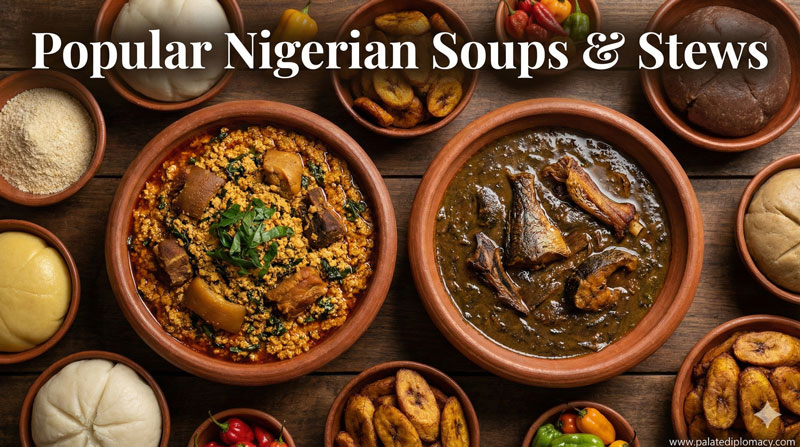
Afang soup shines as a festival of textures. In many homes, the pot starts with stock made from beef, goat, or chicken. Then dried fish, snail, and periwinkles join, adding depth and aroma. Crayfish powder and ground pepper sweep through the pot for brightness. Palm oil delivers a warm color and a smooth finish. Finally, the shredded Afang and water leaves soften and lift the broth with their natural oils. The result is a soup that feels hearty and refined at once. This balance of flesh, seafood, and greens creates a comforting and satisfying meal.
Sharing and Serving: A Social Dish
Serving Afang soup is a social act. The pot often sits at the center of a table or a shared meals area. Diners scoop the soup over fufu, pounded yam, or garri. The experience is about conversation, patience, and savoring textures. In families, a single pot can feed many hands, and leftovers become lunch for the next day. This practice underlines the dish’s role as a daily joy and a link between generations. The act of gathering around the pot helps keep memories alive and flavors familiar.
Regional Identity and Culinary Pride
Afang soup has its roots in the Niger Delta, with strong ties to Efik and Ibibio culinary traditions. Across nearby communities, cooks adapt the recipe with local ingredients, producing variations that remain true to the core concept: leafy greens, a rich broth, and satisfying flesh. The dish travels from market stalls to homes, celebrating seasonality and local harvests. The name Afang or Okazi is a shared cue that signals a familiar, comforting flavor and a sense of regional pride.
Tradition Meets Modern Kitchens
Today, chefs and home cooks experiment with different leaf mixes, spice blends, and thickness. Yet The Heart stays the same. Afang soup remains a warm invitation to share, to slow down, and to celebrate skill. The dish adapts to dietary preferences and family rituals, while preserving its essential identity. This continuity makes Afang soup a timeless part of Nigerian cuisine, inviting new generations to discover its beauty while honoring time-honored methods.
Conclusion
In the end, Afang soup stands not only as a delicious meal but as a cultural fabric. Its leaves and flavors tell stories of care, craft, and community. By honoring the steps from leaf to bowl, we celebrate a dish that brings people together and elevates everyday meals into small festivals. Afang soup remains a welcoming ambassador of Nigerian food culture, inviting everyone to taste, share, and admire the artistry behind each bubbling pot.