
The Flavorful Welcome: Afang Soup in Nigerian Cuisine
Afang soup is a bright, heartwarming dish that many Nigerians feel is a true taste of the country. It speaks to craft, community, and care. Its greens, broth, and depth invite you to slow down and savor the moment of family and shared tables. This post explores how Afang soup Became a beloved part of Nigerian eating culture, and why its culinary character endures.
The Core of Afang: Leaves, Texture, and Harmony
Afang soup centers on two complementary greens: Afang leaves (Gnetum africanum) and water leaves (Talinum triangulare). The greens offer a tender bite and a lush green color that signals freshness. They meet a robust stock of meat or fish, helping to build a rich, comforting sauce. Crayfish or dried fish add a distinctive aroma and a touch of salt. Palm oil provides warmth and depth without overpowering the greens. The result is a harmony of textures: silky broth, crisp greens, and tender chunks of protein. This balance is a big part of why the dish feels complete and satisfying.
A Technique That Delights the Senses
Cooks blend ingredients with care. The greens are washed and cut to rough ribbons that catch the sauce. The stock simmers slowly, letting flavors mingle. Crayfish, pepper, and salt are added with measured patience. The result is a sauce that carries the greens, letting each bite reveal a new note—earthy, slightly sweet, and deeply savory. The technique itself is a celebration of attention to detail: selecting fresh greens, balancing oil and stock, and presenting a dish that feels both nourishing and refined.
The Sensory Palette: Color, Aroma, and Texture
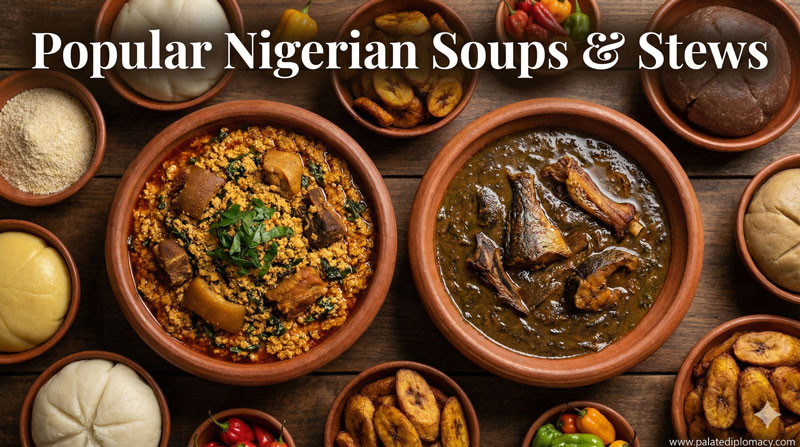
Afang soup greets the eyes first with a vibrant green. The aroma rises from the simmering stock and the blend of spices. The texture invites the palate: the greens soften without losing their character, while the meat or fish remains comforting and substantial. The dish offers a sunlit, lively presence at a table, a visual and gustatory reminder of abundance and care. This sensory invitation helps explain why Afang soup travels from family kitchens into gatherings and celebrations across many Nigerian communities.
Hospitality in a Bowl: Cultural Value and Sharing
For many Nigerians, Afang soup is more than a meal. It is a symbol of hospitality and togetherness. Families prepare large pots to feed guests, neighbors, and visitors who arrive with stories and laughter. The act of sharing Afang soup becomes a gesture of welcome and friendship. In markets, cooks showcase their skill, teaching younger cooks How to balance greens, stock, and seasoning. The dish thus acts as a bridge between generations, passing on technique and memory through every serving. The culture around Afang emphasizes generosity, warmth, and the joy of eating together.
Regional Variations: A Rich Tapestry Across Nigeria
Across regions, cooks adapt Afang soup to local tastes while preserving its core identity. Some households emphasize heavier palm oil, while others lean toward a lighter, cleaner finish. The choice of meat or seafood can shift the aroma and texture, from beef or smoked fish to more delicate options. Accompaniments also vary. Pounded yam, garri, or fufu are common, each offering a different mouthfeel that enhances the greens’ succulence. Yet the thread that ties these variations is a shared appreciation for fresh greens, a comforting broth, and a well-balanced profile that invites another serving.
Everyday Significance: From Markets to Family Tables
Afang soup holds an everyday grace. It appears in family kitchens after church services, during weekend gatherings, and in celebratory feasts. Its preparation invites hands of all ages to participate, turning cooking time into a moment of teaching and bonding. In many communities, the dish travels beyond the home through street-side stalls and small eateries, where passersby can sample the familiar, restorative flavors. The accessibility and adaptability of Afang soup contribute to its enduring presence in Nigerian cuisine, growing from a regional favorite into a staple that many households embrace.
The Land and the Table: Connecting Food to Place
The ingredients of Afang soup connect diners to the land and to seasonal rhythms. Fresh greens reflect what is available in markets, rain, and harvests. The care with which cooks select greens and stock speaks to a respect for natural flavors and sustainable sourcing. In this sense, Afang soup is a living record of place, reminding eaters how food and community grow together. The dish invites people to notice the colors, textures, and scents that mark a season and a place, turning a meal into a sense of home.
A Simple Welcome: How to Experience Afang Soup
To experience Afang soup, seek a pot where greens shine and the broth feels inviting. Look for a balance of Afang leaves and water leaves, with a comforting core of meat or fish, and a bright, nutty note from the crayfish. Pair with pounded yam or garri for a traditional contrast in texture. If you encounter a version with palm oil, savor the warmth it adds, while appreciating how the greens carry the dish forward. The essence is simple: fresh ingredients, thoughtful preparation, and shared enjoyment.
In Closing: The Beauty of Afang in Nigerian Cuisine
Afang soup stands as a testament to careful craftsmanship and communal spirit. Its popularity grew through everyday cooking, seasonal abundance, and the joy of sharing a meal. The dish celebrates green life, rich broth, and the comfort of family and friends gathered around a table. By inviting generosity, showcasing regional flavors, and honoring ingredients, Afang soup remains a living expression of Nigerian Food Culture. It invites everyone to pause, taste, and belong.