
What Afang Soup Is
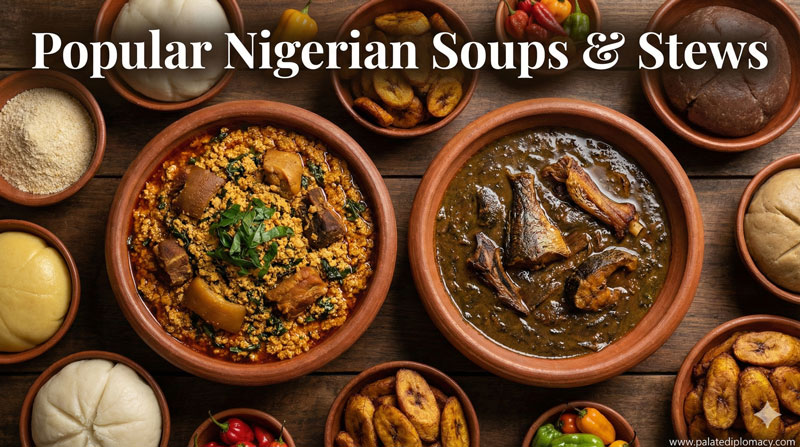
Afang soup is a vibrant Nigerian dish built around two leafy greens, Afang leaves and water leaves. It blends the bright, fresh notes of Greens with a fragrant palm oil base, deepened by meat, fish, and sometimes dried shrimp. The result is a hearty soup with a silky texture and a layered flavor profile. Its name and presence in many Nigerian kitchens signal A Beloved tradition of home cooking and shared meals.
The Heartbeat of Fresh Greens in Nigerian Cuisine
Greens are central to Afang soup, offering both color and character. Afang leaves provide a gentle earthiness, while water leaves add a pleasant, light body to the broth. The combination showcases how Nigerian cooks value plant-centered ingredients alongside proteins. This pairing highlights a balanced approach to nourishment: greens for vitality, oil for aroma, and meat or fish for richness. The result is a dish that feels wholesome and grounded, inviting everyone to savor the natural harvest of the land.
The Craft: Techniques that Elevate Everyday Cooking
Preparing Afang soup is an exercise in patience and careful technique. Cooks layer flavors by browning palm oil lightly to release its aroma, then build the broth with stock, fish, and meat. Crayfish or dried fish are often added for depth, while pepper delivers warmth without overpowering the greens. The greens are cleaned, chopped, and folded in at the right moment to preserve their texture—soft enough to mingle with the rest of the ingredients, but still holding a gentle bite. Finally, the soup is brought together with a slow, steady simmer that allows flavors to mingle while keeping the greens vibrant. The result is a dish that feels both rustic and refined, a staple that demonstrates finesse in everyday cooking.
Social Life and Family Around Afang
Afang soup frequently appears at family tables, gatherings, and informal celebrations. It is the kind of dish that brings people together, inviting sharing and conversation as the pot is passed around. The process of cooking and serving becomes a social ritual, with voices and laughter blending with the aroma. Families often tailor the recipe to their tastes, making room for individual preferences in spice, level of oil, or choice of proteins. This adaptability reflects a broader Nigerian Food Culture that values hospitality, comfort, and the joy of meals shared in close company.
Regional Variations and Individual Expression
Across households, Afang soup expresses local identity through slight variations. Some kitchens emphasize a stronger palm oil color, while others keep a lighter, fresher palate. The types of meat or fish used can vary by family and region, offering a spectrum of textures—from tender cuts to more robust morsels. Crayfish or dried seafood add umami that complements the greens, and pepper levels can be adjusted to suit different palates. These subtle differences celebrate how a single dish can carry multiple regional voices, each adding its own note to the same culinary theme.
Pairings and Table Experience
Afang soup pairs beautifully with starchy staples such as fufu, pounded yam, or garri. The act of pinching a portion of the starch, forming a small ball, and scooping up a generous spoonful of soup is a comforting ritual. The textures—creamy broth, leafy greens, and a satisfying bite from meat or fish—come together in a way that feels both familiar and uplifting. The pairing emphasizes balance: the starch softens the soup’s intensity, while the greens offer freshness. This table experience is central to Nigerian food culture, where meals are moments of connection as much as nourishment.
A Gentle Celebration of Nigerian Food Culture
In essence, Afang soup is a quiet celebration of Nigerian food culture. It honors the abundance of local greens, the skill of traditional preparation, and the joy of sharing a warm meal with loved ones. The dish invites curiosity: it encourages diners to notice how greens, oil, and protein come together to create harmony. It stands as a testament to everyday culinary artistry, where simple, fresh ingredients become a memorable experience through care and community.
If you have the chance to taste Afang soup, notice how its color and aroma set the stage for conversation and connection. Observe how the greens yield softly to the broth, how the proteins provide depth, and how the overall plate feels both comforting and vibrant. This is the beauty of Afang soup: a dish that speaks softly of place, people, and the pleasure of a well-made, shared meal.