
Introduction
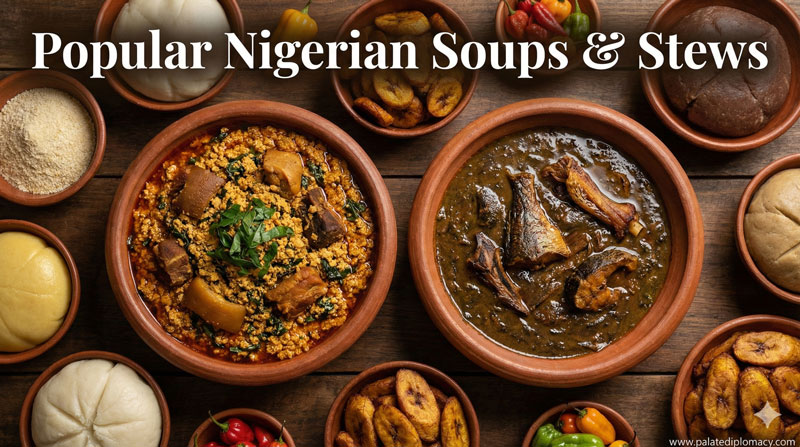
Afang soup stands as a bright thread in the fabric of Nigerian Food Culture. This dish invites the senses with its deep green leaves, rich palm oil, and a chorus of flavors from meat, fish, and seasoning. It is more than sustenance; it is a window into daily life, hospitality, and the careful work of farmers, cooks, and families. When prepared with care, Afang soup celebrates balance—between leaf and heat, between purchase at the market and the moment it warms the table. In this post, we explore its cultural value and culinary significance, focusing on how the dish reflects and reinforces Nigerian food traditions.
The Plant, the Palette, and the People
Afang soup centers on two leafy ingredients: Afang leaves (also called okazi in some regions) and water leaves. The vibrant greens signal freshness and seasonality. Farmers harvest what is needed, and cooks translate that harvest into shape, texture, and aroma. The leaves provide body and a lush, earthy flavor that blends well with palm oil and fish or meat. This pairing mirrors a broader Nigerian practice: using locally grown greens to form the backbone of a soup or stew. The result is a dish that feels rooted in the land, yet adaptable to family tastes and available ingredients.
Crafting the Dish: Techniques and Timing
The preparation of Afang soup honors technique as a form of care. The leaves are sliced to a bite-friendly size, then combined with water leaves or other greens for texture and moisture. Palm oil is added in measured amounts to yield a warm, ruby-tinged broth that coats every piece of meat or fish. The cooking sequence matters: simmering meats first, then introducing greens, followed by a final round of seasoning and blending. Stirring slowly and evenly helps all elements marry, producing a soup that is smooth yet lively on the palate. This careful process reflects a broader ethos in Nigerian cooking: respect for ingredients and patience in building flavor.
Markets, Seasons, and Shared Knowledge
Afang soup travels from market stalls to family kitchens through a shared rhythm of daily life. Fresh greens, fish, and meat move together in a careful choreography of buying, washing, and storing. Families gather, compare notes on The Best cuts and the freshest leaves, and pass down tips for achieving the perfect balance of greens and protein. This exchange strengthens community ties and provides a living record of local abundance and culinary practice. In many households, a jar of palm oil and a bag of dried fish stay ready as a reminder that good soups begin with thoughtful sourcing.
The Table as a Social Stage
Serving Afang soup is an invitation to togetherness. The dish typically arrives at the table steaming in a large pot or deep bowls, ready to be shared among family and friends. Guests often gather around the table, serving themselves and passing bowls with warmth and courtesy. Pairings—starch foods like pounded yam, fufu, or garri—enhance the experience by offering familiar textures that complement the soup’s richness. The act of sharing a single pot reinforces hospitality, reciprocity, and the joy of communal dining that is central to Nigerian food culture.
Regional Variations and Evolution
Across regions, Afang soup adapts with subtle regional touches. Some kitchens emphasize a stronger greens presence for a more herbal note, while others may lean into a heartier broth with a greater depth of protein. Variations in fish, meat choices, and even spice blends reflect both availability and taste preferences. Yet the underlying idea remains the same: a nourishing, expressive dish that showcases local ingredients and cooking skill. These small differences celebrate regional pride while maintaining a shared core that binds communities through flavor and memory.
Conclusion
Afang soup embodies the warmth and wisdom of Nigerian food culture. Its greens, its rich broth, and its social rituals together tell a story of care—from field to table, from market to home. The dish honors practical cooking skills and the delight of sharing a generous meal. In every spoonful, Afang soup communicates a sense of belonging, respect for ingredients, and joy in communal eating. It is a delicious reminder of how food can reflect place, season, and the everyday beauty of family life.