
What Afang Soup Is
Afang soup is a beloved Nigerian dish that shines in homes and at celebratory meals. It centers on two greens, Afang leaves and water leaves, cooked with meat, fish, and a generous splash of palm oil. The result is a thick, glossy soup with a bright, earthy sweetness. Each bite blends fresh Greens with savory stock, creating a comforting harmony that speaks to everyday cooking and festive gatherings alike. The recipe travels gently between kitchens, and yet The Heart of it remains simple: good greens, good stock, and time taken to coax flavor from each ingredient.
The Green Duo: Afang and Water Leaves
Afang leaves come from a viney plant and are praised for their sturdy texture and mild, green taste. Water leaves provide a soft, slippery counterpoint that helps the soup achieve its signature body. When these two greens mingle, they create a layered texture—some bites chewier, others silky. This pairing showcases how Nigerian cooks honor local greens and make them the core of a nourishing meal. The greens are washed, torn, and cut into manageable pieces, then folded into the simmering pot. The visual contrast—the deep green of Afang and the lighter sheen of water leaves—reminds us that Nigerian cooking is as much about color and balance as it is about flavor.
Technique and Texture
The heart of Afang soup lies in technique as much as in ingredients. Chefs and home cooks shred the leaves into thin ribbons, allowing the greens to mingle with the stock gradually. Palm oil adds a warm, orange-gold hue and a gentle, fruity note that deepens the dish. Crayfish, meat, and fish mingle in the pot, lending depth and a subtle sweetness from caramelized edges. The result is a thick, spoonable soup that coats the swallow—fufu, pounded yam, or garri—without clinging too heavily. Each step respects the greens’ integrity, building layers of texture so every mouthful feels both substantial and bright.
Serving and the Table
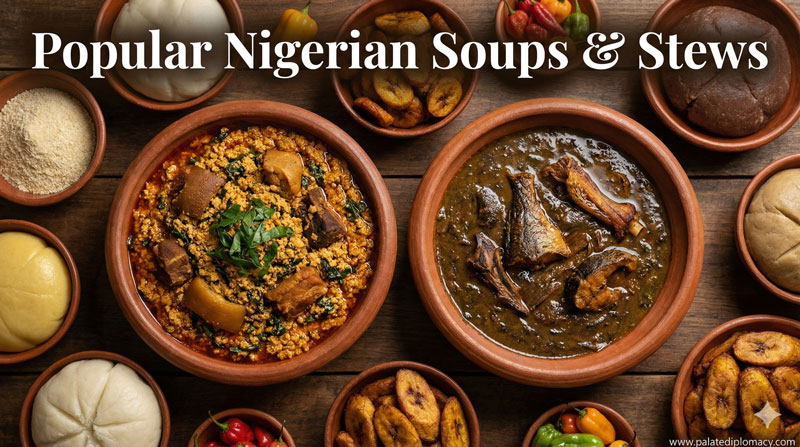
Afang soup shines at the table because it invites sharing. It is commonly plated in a large bowl, placed at the center, with accompaniments arranged nearby. Diners scoop portions onto their swallow and savor the balance between leafy bite and silky broth. The serving style emphasizes community: meals are a moment to connect, to celebrate togetherness, and to pass stories as the soup disappears. The dish adapts to family size and occasion, yet its essence remains clear—a humble, noble soup that elevates everyday cooking into a warm, ceremonial experience.
Cultural Value and Culinary Significance
Afang soup embodies a respectful approach to ingredients and technique. It honors the generosity of greens that grow in the region and the care given to simmered stock. The dish celebrates skillful timing: when to add greens, how long to let the stock thicken, and how to balance richness with the freshness of the leaves. This balance reflects a broader Nigerian culinary ethic that values harmony, community, and mindfulness in cooking. Afang soup also reveals how cooks adapt: with varying meats, different fish, or a broader mix of seasonings, the dish stays rooted in tradition while inviting personal touch. The result is a comforting, expressive meal that respects both family heritage and the joy of shared nourishment.
A Dish to Celebrate Beauty in Food
The beauty of Afang soup lies in its simple, robust ingredients and the care given to them. It invites cooks to slow down, observe textures, and listen to the pot as flavors come together. The greens’ resilience and the stock’s warmth offer a sense of steadiness and welcome. For those who prepare it, Afang soup becomes more than sustenance; it becomes memory, craft, and pride in Nigerian Food Culture. The dish shows how everyday cooking can be generous, delicious, and deeply respectful of place.
Conclusion: Reverence in a Spoon
Afang soup is a vivid expression of Nigerian food culture: generous greens, patient simmering, and meals that bring people together. Its culinary significance rests on balance—between greens and stock, between richness and lightness, between tradition and personal touch. When you enjoy Afang soup, you taste a story of care, community, and the beauty found in a shared pot.