
What Afang Soup Is
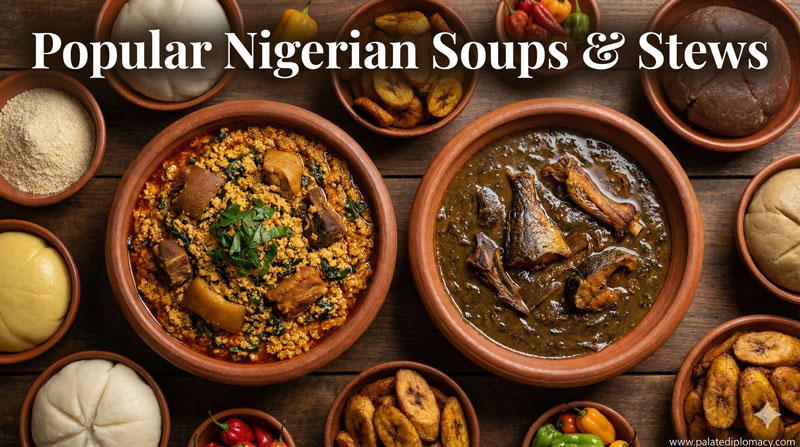
Afang soup is a traditional Nigerian dish that delights the senses. It centers on Afang leaves, also called Okazi, which are shredded and folded into a rich, flavorful broth. Water leaves or pumpkin leaves join to balance texture and color. Meat, fish, and sometimes periwinkle enrich the pot, while palm oil provides a warm, earthy base. The result is a silky, hearty soup that welcomes everyone to the table. Its bright greens and depth of flavor make it instantly inviting.
A Cornerstone of Nigerian Culinary Diversity
Nigeria offers a vivid mosaic of soups and greens. Afang soup showcases this diversity by pairing Afang leaves with another cherished green. The combination creates a bridge between land and sea flavors, sourced from nearby markets and farms. This dish honors local farming, fishing, and home cooking. It travels from bustling kitchens to cozy family rooms, always signaling hospitality and belonging.
The Leaves: Afang and Water Leaves
Afang leaves deliver a distinctive texture and aroma. Their fibrous strands require careful handling, then transform into a lush layer in the pot. Water leaves or pumpkin leaves soften the mix and brighten the color. The result is a soup with multiple layers, each contributing depth and balance. Diners notice the contrast between the tender greens and the robust broth, a signature of this dish.
Flavor, Texture, and Techniques
Cooks often blend a touch of ingredients for depth before folding them into the pot. Palm oil gives a warm, earthy foundation that binds the flavors. The soup simmers slowly, allowing the meat’s richness and the greens’ character to mingle. The texture becomes a dance between silky broth and stringy leaves. Each spoonful carries comfort, craft, and a quiet sense of place.
Sharing, Hospitality, and Rituals
A pot of Afang soup often begins a meal shared with family and friends. Serving the dish is an act of care and respect. Guests are welcomed with generous portions and a moment to savor the aroma. The meal invites stories about markets, harvests, and home kitchens. In this way, Afang becomes a living gesture of warmth and connection.
Everyday Feasts and Special Occasions
Afang soup appears in daily meals and in celebrations alike. It accompanies birthdays, naming days, and community gatherings. The recipe adapts to family tastes, with different proteins or spice levels, yet the essence remains the same: nourishment and togetherness. The dish signals a time to slow down, share, and enjoy good company.
Serving Traditions and Pairings
Traditionally, Afang soup is enjoyed with fufu or pounded yam. This pairing creates a comforting, hearty experience that many families return to again and again. Diners scoop the soup with their starch and chew slowly to savor the layers of flavor. The practice emphasizes patience, table manners, and the pleasure of communal dining.
Celebrating Nigerian Food Culture Through Afang
Afang soup is more than a recipe; it is a reflection of Nigerian flavors, skills, and hospitality. It invites curiosity about local ingredients, farming rhythms, and home cooking. By cooking and sharing Afang, people celebrate a cuisine that honors community, craft, and warmth. The dish stands as a joyful reminder of how food can unite, nourish, and delight.