
Introduction
Afang Soup is a bright expression of Nigerian Food Culture. It blends greens, hearty protein, and warm spices into a dish that feels welcoming and celebratory. This soup invites conversation at the table and admiration for careful preparation. It also showcases how everyday ingredients can become meaningful, shared experiences. In this post, we explore Afang Soup’s cultural value and culinary significance with a focus on flavor, technique, and social spirit.
The Dish and Its Greens
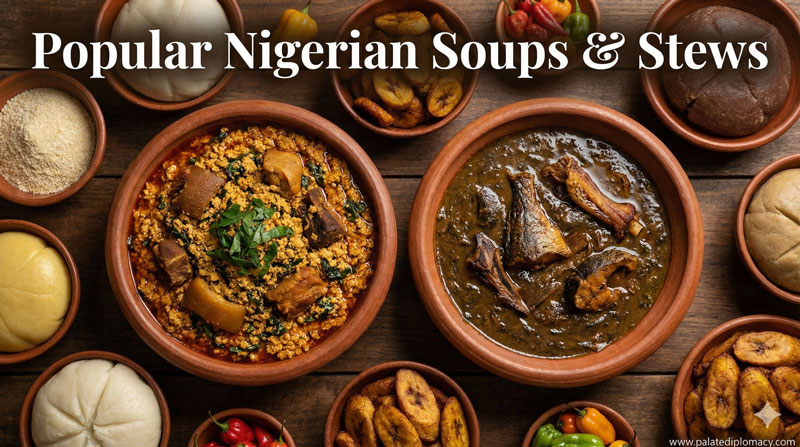
Afang Soup features two key greens: Afang leaves (also known as okazi leaves) and water leaves. These greens bring a fresh, earthy bite and a soft, leafy texture that contrasts with chunks of meat and the bite of spices. The greens are finely torn or shredded to release their aroma. Beyond taste, the greens symbolize abundance and seasonality, arriving fresh from markets and farms. The dish then grounds those greens with palm oil, protein such as beef or goat, and a savory base of spices and aromatics. The result is a bright, comforting bowl that signals hospitality and care.
Flavor, Texture, and Techniques
The Heart of Afang Soup lies in balance. The greens provide a clean, vegetal note; palm oil adds warmth and depth; and proteins contribute savor and body. Ground crayfish or dried fish introduce a gentle brininess that ties the layers together. The technique is deliberate but approachable: tear the leaves to maximize surface area, simmer to soften, and fold in the greens with the simmered meat and stock. This careful layering creates a rich, velvety texture without heaviness. The dish remains vibrant yet restrained, allowing each ingredient to shine while collaborating with the others. In short, Afang Soup demonstrates how thoughtful preparation can honor simple ingredients.
The Social Kitchen: Preparation and Sharing
Cooking Afang Soup often becomes a social activity that strengthens family and community bonds. Families gather to wash, prep, and cook together, sharing tips passed down through generations. Clear, steady communication helps the pot come together smoothly. Friends and neighbors sometimes join in, especially during gatherings, making the cooking process a small festival of teamwork. The act of serving is equally meaningful: portions are shared, and the same pot often feeds several generations, reinforcing a sense of belonging and mutual care. Through these practices, Afang Soup becomes more than a meal; it is a daily ritual of generosity and togetherness.
Regional Variations and Personal Touches
Across communities, cooks adapt Afang Soup with subtle, respectful differences. Some households emphasize a stronger greens note by using more Afang leaves; others prefer a silkier texture with extra palm oil or a touch of local spice blends. The choice of proteins can vary as well, reflecting family preferences and seasonal availability. While the core structure remains clear, these personal touches reveal how a single dish can carry multiple regional voices within Nigerian food culture. The flexibility of Afang Soup invites cooks to express their own style while maintaining the dish’s essential identity.
Pairings, Serving Traditions, and Sensory Experience
Afang Soup finds its best companions in starchy sides such as pounded yam, fufu, or garri. These textures provide an ideal counterpoint to the soup’s smooth, leafy body. The serving temperature—warm with steam rising—adds to the comforting experience. The aroma, a blend of palm oil, fresh greens, and seafood notes, invites eager anticipation. Each bite offers a chorus of textures: crunchy greens, tender meat, and the creamy silk of the soup’s stock. This sensory richness makes Afang Soup a favorite for sharing during meals that celebrate daily life, success, or simple delight.
Afang Soup in the Broader Nigerian Food Culture
Within Nigerian Cuisine, Afang Soup stands as a vivid example of how regional ingredients can become national treasures. It emphasizes harmony—greens with protein, oil with spice, work with rest. The dish also reflects a culture that values seasonality, family bonds, and the joy of hospitality. By embracing Afang Soup, cooks and diners recognize the beauty in carefully prepared, everyday foods. The result is a dish that feels both intimate and widely appealing, inviting appreciation across generations and communities.
Conclusion
Afang Soup is more than a flavorful dish; it is a celebration of Nigerian food culture. It blends greens, rich flavors, and shared moments into a meal that invites warmth and conversation. Through its ingredients, techniques, and communal spirit, Afang Soup demonstrates how food can embody hospitality, heritage, and everyday artistry. Whether enjoyed at a family table or shared with friends, the soup offers a delicious reminder of the beauty found in careful preparation and generous hosting.