
Introduction
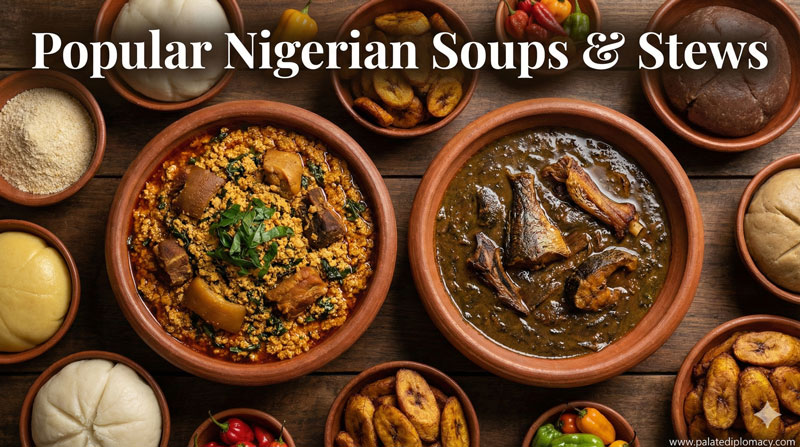
Afang Soup sits at The Heart of Nigerian cooking, where greens meet bold flavors in a single bowl. This dish speaks softly about place, family, and everyday joy. It celebrates texture, color, and the gentle rhythm of shared meals. In this post, we explore its cultural value and culinary significance with warmth and clarity.
A dish with deep regional roots
Afang Soup is cherished especially in southern Nigerian kitchens, among Efik and Ibibio communities and their neighbors. The leaves called Afang, paired with water leaves, create a vibrant foundation. Across homes, cooks adapt the recipe with meats, fish, and palm oil to suit family tastes. The result is a dish that feels familiar yet alive, always welcoming new versions at the table.
The key ingredients as cultural storytellers
Afang leaves give the soup its lush body, while water leaves add a silky brightness. Palm oil brings color and depth, giving the soup its distinctive aroma. Crayfish and fish offer ocean notes that connect the plate to coastal markets. Meats such as beef, goat, or assorted fowl anchor the dish in heartiness. Each ingredient carries memories of markets, farms, and daily care.
Techniques that shape texture and flavor
The preparation blends greens in stages, balancing tenderness with bite. Freshly chopped Afang and water leaves are folded gently to preserve their character. The simmering stock builds a comforting, enveloping sauce. Crushed spices and ground nuts or seeds often join the mix, enriching flavor without overpowering the greens. The result is a soup with layers: bright greens, rich oil, and a satisfying finish.
Hospitality in every serving
Serving Afang Soup is a ritual of hospitality. The dish often arrives at the table in a broad pot or shared bowls, inviting everyone to scoop and savor. It pairs with starchy sides like pounded yam, fufu, or garri, emphasizing balance between light greens and hearty staples. The act of sharing reinforces care, conversation, and togetherness, turning a meal into a simple celebration.
A cultural snapshot: markets, meals, and memory
Afang cooking reflects the rhythms of daily life. Fresh greens are bought at busy markets, where neighbors meet and exchange tips. Families adjust the recipe to seasonal produce and family preferences, keeping ancestral flavors alive while welcoming evolution. This adaptability shows how Nigerian Food Culture values both tradition and personal touch.
Flavor, health, and beauty in balance
The dish offers a balanced palate: leafy freshness, lip-smacking oil, and a touch of umami from seafood and seasonings. It feels wholesome and celebratory at once, inviting longer conversations about food, health, and shared practices. The color palette—deep greens and warm oil—creates an inviting plate that delights the eyes as much as the palate.
Practical tips for recreating Afang at home
- Start with fresh Afang and water leaves for vibrant texture.
- Use a modest amount of palm oil to keep the greens bright and the sauce smooth.
- Choose a mix of meats or fish you enjoy; let the protein flavor the broth slowly.
- Pair with pounded yam or fufu for a classic, satisfying meal.
- Let friends and family contribute their favorite tweaks to keep the dish evolving.
Conclusion
Afang Soup embodies the love of home cooking and community in Nigerian food culture. Its greens, oil, and seafood notes come together in a harmonious, welcoming bowl. More than a meal, it is a daily ritual of sharing, learning, and honoring taste. May every spoonful remind us of the beauty of thoughtful preparation and the warmth of gathering around good food.