
How Alicha Wat Became Popular in Ethiopian Cuisine
Alicha Wat stands as a loving example of Ethiopian hospitality on a plate. Its gentle warmth invites both the eye and the palate. This dish grew from the rhythms of daily life, where families gather to share food, stories, and laughter. Its Rise in popularity comes from its balance between comfort and craft. When you taste Alicha Wat, you sense a culture that celebrates patience, care, and the joy of cooking together. In this post, we explore its cultural value and culinary significance with an inviting, respectful voice.
What is Alicha Wat?
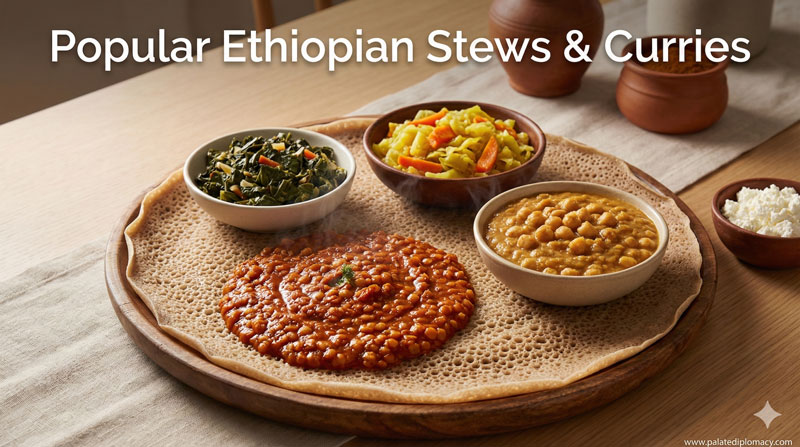
Alicha Wat is a mild Ethiopian stew, often made with lentils or other legumes. It relies on a warm, yellow glow from turmeric and a deep savor from onions, garlic, and ginger. The heat is soft, so the flavors can breathe and mingle. This contrasts with spicier wots that glow with chili. The dish is usually finished with a touch of oil or clarified butter and served with injera, the soft sour flatbread that carries flavors and textures across the table. In essence, Alicha Wat is a comforting, nourishing centerpiece that fits into everyday meals and special occasions alike.
The Flavor Equation: Simplicity, Depth, and Harmony
What makes Alicha Wat memorable is how simple ingredients yield remarkable depth. The onion base is allowed to develop color and sweetness. Garlic and ginger layer in fragrant warmth without overpowering the dish. Turmeric adds sunshine-like brightness, while adding a note of earthy comfort. Water or vegetable broth loosens the mixture to a gentle stew, letting lentils or peas soften with quiet resilience. The final balance is not one bold note but a chorus: mild spice, mellow sweetness, and a touch of salt that ties everything together. The result is lift without heat, a flavor that feels calm yet endlessly inviting.
The Technique That Honors the Ingredient
The making of Alicha Wat teaches patience and respect for ingredients. Start with a slow caramelization of sliced onions. This step builds flavor and color, forming the foundation of the dish. Next, introduce minced garlic and grated ginger to create a fragrant backbone. A light pinch of turmeric follows, followed by the legumes and enough liquid to cover. The pot simmers gently until the lentils are tender and the sauce has thickened to coat each piece with a glossy glaze. Throughout, cooks adjust salt and sometimes add a hint of fenugreek or coriander for nuance. The technique honors restraint, allowing each ingredient to sing in its own season.
Cultural Value at the Ethiopian Table
Alicha Wat embodies hospitality. Ethiopian meals center on sharing, and a thick layer of injera often bridges plates and bowls. The act of serving and passing the injera, then scooping Alicha Wat with the bread, is a ritual of togetherness. Families teach children to observe the balance of flavors, to wait patiently as the stew thickens, and to savor each bite slowly. The dish also highlights inclusion: it is vegetarian-friendly and can anchor meals at any time, from simple weekday dinners to festive gatherings. Its versatility mirrors a cultural attitude of adaptability and care, where nourishing food is a common language spoken by all.
Regional Variations and Family Traditions
Across Ethiopia, you will find Alicha Wat with small, meaningful differences. Some households favor red lentils, others yellow split peas. The spice mix might include a whisper of cumin, coriander, or a touch of turmeric to brighten the color further. Tomatoes sometimes appear, adding a gentle acidity that brightens the stew; in other kitchens, they stay away to preserve a purer, onion-forward profile. Frying the onions longer can yield a deeper caramel note, while a lighter fry keeps the vegetables crisper. These variations reflect regional tastes, family recipes, and seasonal ingredients, all contributing to a shared dish that remains distinctly Alicha.
The Social Power of Shared Meals
Meals become memories when Alicha Wat sits at the table. It is a dish that travels lightly between households, yet maintains a clear sense of identity. The aroma alone can recall bustling kitchens, coin-free markets, and quiet conversations after a day’s work. When people gather to eat Alicha Wat, they are participating in a tradition of generosity. The dish often accompanies celebrations, feasts, or simply an everyday moment of connection. In this way, Alicha Wat helps stitch the fabric of daily life together, reinforcing the value of sharing and mutual care.
Modern Popularity and Global Appeal
Today, Alicha Wat enjoys growing recognition beyond its home kitchens. International restaurants increasingly feature mild, comforting Ethiopian dishes to welcome diners who seek familiar warmth with distinct flavors. The gentle heat and comforting texture make Alicha Wat accessible to a wide audience, including new diners who may be exploring Ethiopian cuisine for the first time. at Home, cooks around the world adapt the Recipe with locally available legumes and spices, keeping the core idea intact: a nourishing, flavorful stew served with bread or rice. This accessibility has helped the dish travel while preserving its essence.
Practical Guide: Making Alicha Wat at Home
If you want to bring Alicha Wat to your own table, here is a straightforward approach:
- Start with a gentle onion base. Slice onions thinly and cook them slowly in a neutral oil until they turn a deep golden brown.
- Add minced garlic and grated ginger. Their aroma should lift the dish without overpowering the sweetness from the onions.
- Stir in turmeric and any mild spices you like. A small pinch is enough to brighten without overwhelming.
- Add your chosen legumes—lentils or yellow split peas work well. Pour in enough water to cover and simmer.
- Let the mixture cook until the lentils are tender and the sauce thickens slightly. Stir occasionally to prevent sticking.
- Finish with salt to taste and a drizzle of oil or clarified butter for a glossy finish.
- Serve hot with injera, or pair with steamed rice or flatbread. A fresh salad or cooked greens can complete the plate.
Ingredient Guide and Substitutions
- Legumes: Lentils (red or green) or yellow split peas are common. Use what you have on hand.
- Onions: A generous amount forms the heart of the dish.
- Aromatics: Garlic and ginger are essential for aroma and warmth.
- Spices: Turmeric is key for color and mild flavor. Optional low-heat spices can be added sparingly if you desire a slightly different note.
- Fats: Ghee (niter kibbeh) provides traditional richness; olive oil or another neutral oil is a fine substitute.
- Accompaniments: Injera is the classic partner, but rice, flatbread, or steamed vegetables also work well.
The Future of Alicha Wat in Ethiopian Cuisine
The appeal of Alicha Wat lies in its gentle spirit and dependable comfort. As chefs explore new ways to pair flavors and textures, the dish remains a steady anchor in Ethiopian cooking. Its adaptability, warmth, and nutritional value ensure that Alicha Wat will continue to be a beloved option for families and food lovers alike. The dish invites curiosity while delivering familiarity, making it a bridge between tradition and modern kitchens.
Conclusion
Alicha Wat offers more than sustenance; it presents a cultural moment of sharing, patience, and respect for ingredients. Its mild balance, aromatic depth, and flexible preparation make it a dish that welcomes all who sit at the table. By honoring the craft of slow cooking and the joy of gathering, Alicha Wat has earned its place in Ethiopian cuisine as a symbol of hospitality and culinary care. Whether you are revisiting a family recipe or discovering Ethiopian flavors for the first time, Alicha Wat invites you to slow down, savor the moment, and celebrate the beauty of a meal made with warmth and intention.