
Introduction
Alicha Wat sits at the heart of Ethiopian Cuisine as much more than a dish. It is a social ritual, a representation of balance, and a bright thread in the fabric of daily meals. This mild stew uses careful spice work to honor the ingredients and the people who prepare them. When you encounter Alicha Wat, you sense a quiet confidence: a dish that celebrates warmth, patience, and shared moments around the table. In this post, we explore how Alicha Wat reflects Ethiopian food culture through flavor, technique, and everyday life.
Alicha Wat: A Gentle Yet Profound Dish
Alicha Wat Is the mild cousin in the family of Ethiopian wats. Its name hints at its nature: gentle, approachable, and comforting. It demonstrates how Ethiopian cooks shape bold flavors with restraint, letting natural sweetness and aromatic ingredients shine. This balance mirrors a culture that values hospitality, attentiveness, and communal eating. The dish earns its place not only on plates but in conversations that happen over injera, the sour flatbread that serves as a universal utensil and a shared canvas.
The Soul of Alicha: Ingredients and Spices
The core of Alicha Wat is simple yet expressive. Onions form a sweet, caramelized base, followed by garlic and ginger for brightness. A touch of turmeric adds a warm, sunlit color and a gentle earthy note, while other spices like coriander or cumin contribute depth without heat. The emphasis is on mild, comforting flavors rather than firepower. This restraint showcases a philosophy: food as a welcoming gesture. The result is a sauce that gleams with oil and aroma, inviting diners to lean in and savor the subtleties of spice and sweetness working in harmony.
Technique and Texture
Crafting Alicha Wat is a study in layering. The onion base is sautéed slowly to develop natural sweetness. Then garlic and ginger are added, releasing a bright perfume. Turmeric brightens the mix and ties the flavors to a lasting character. The dish simmers gently, allowing the spices to mingle without overpowering the main ingredients. The texture is smooth yet heartening, with a comforting thickness that coats injera. The careful technique reflects a cultural preference for harmony in cooking: ingredients are treated with respect, time is given for flavors to mature, and the final bite rewards patience.
Shared Meals: The Social Fabric
in Ethiopian dining, food is a social ritual as much as nourishment. Alicha Wat often appears on a communal platter alongside injera, inviting everyone to taste and connect. The act of sharing—pulling a piece of injera from the edge, dipping into the sauce, and passing the plate—creates a rhythm of generosity and togetherness. This communal aspect is central to Ethiopian food culture: meals are occasions for conversation, storytelling, and mutual care. Alicha Wat, with its inviting aroma and gentle taste, acts as a bridge between individual appetite and collective enjoyment.
Regional Voices: Variations Across Ethiopia
Across regions, families adapt Alicha Wat to local produce and traditions. Some cooks add a touch of garlic or a whisper of chilies for those who enjoy a hint of warmth, while others emphasize legume variants like yellow split peas or potatoes to reflect seasonal harvests. The core idea remains constant: a mild, respectful preparation that honors the land and the cook’s craft. These variations illustrate how Ethiopian cuisine embraces regional identity while preserving a shared culinary language of balance, patience, and hospitality.
Serving and Experience: Injera, Rituals, and Taste
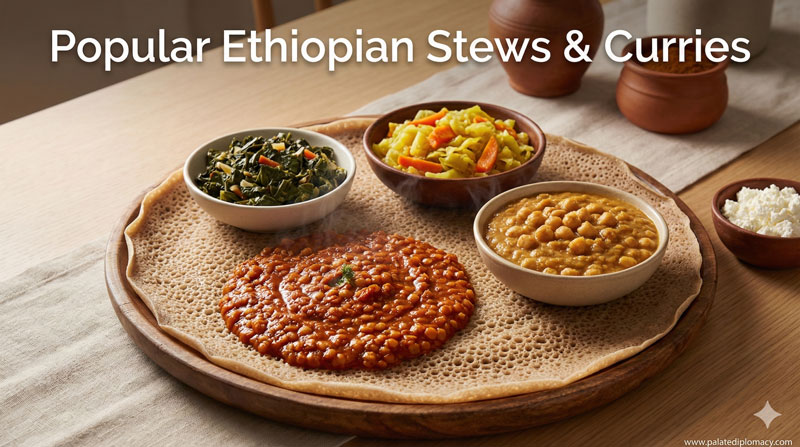
Alicha Wat is most often enjoyed with injera, the tangy flatbread that acts as both plate and utensil. Tear a piece of injera, scoop the stew, and savor the mingling textures and flavors. The bite is generous yet refined, offering comfort without heaviness. In many households, serving is accompanied by small rituals—pouring coffee, sharing a moment of gratitude, or exchanging smiles as a meal begins. These practices reinforce the social fabric around food and highlight how a single dish can catalyze warmth, conversation, and connection.
Nutrition, Balance, and Everyday Significance
Nutritionally, Alicha Wat brings a balanced profile: plant-based protein from legumes or beans, fiber, and a spectrum of vitamins from onions, garlic, ginger, and turmeric. The dish embodies a philosophy of everyday nourishment that supports regular family life and community gatherings. Its mild profile also makes it approachable for all ages, inviting children to participate in the meal and learn by tasting. This accessibility reinforces the Ethiopian value placed on inclusivity at the table.
Aesthetic, Aroma, and Cultural Beauty
The visual and aromatic elements of Alicha Wat are meaningful. The pale, inviting hue from turmeric and the glistening sauce create an appetizing scene on the platter. The scent of caramelized onions, warm spices, and fresh ginger lingers, signaling hospitality and care. Aroma, color, and texture work together to communicate the dish’s heart: calm abundance, shared joy, and a quiet celebration of everyday life. This beauty is not about show but about inviting everyone to stay, savor, and belong.
The Language of Food and Everyday Culture
Alicha Wat speaks a language of balance that resonates in everyday Ethiopian life. It demonstrates the art of making a meal feel generous without being overwhelming. It shows how cooks harmonize ingredients to honor each component while granting room for the community to gather. In this way, Alicha Wat is a lens into how Ethiopian culture values patience, attentiveness, and the joy of preparation as acts of care.
Conclusion
Alicha Wat is more than a dish; it is a doorway to Ethiopian food culture. Through its gentle spices, careful technique, and communal serving, it reveals how a culture can celebrate flavor and community in equal measure. The dish embodies hospitality, regional creativity, and the everyday beauty of shared meals. As you savor Alicha Wat, you taste a story of balance, warmth, and belonging—an enduring reminder of why food, at its best, brings people together around the table.