
Introduction
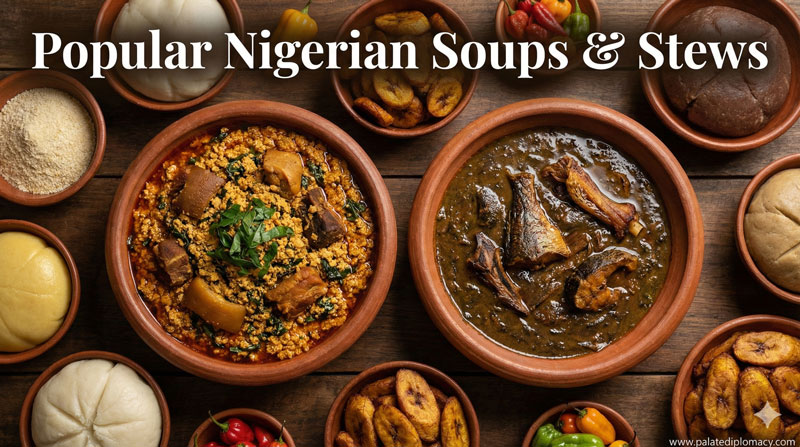
Banga soup is a celebration of flavor, tradition, and togetherness in the Niger Delta. The dish centers on palm fruit extract, known as banga, which creates a thick, amber broth that invites slow, careful tasting. The aroma rises as meat, fish, and spices mingle. This post highlights the cultural value and culinary significance of Banga soup, from its preparation to its place at family tables and festive gatherings.
What is Banga Soup?
Banga soup is a palm fruit–based soup. The base comes from boiling ripe palm fruits to release oil, then simmering with stock and seasonings. The result is a rich, velvety broth that carries the deep sweetness of palm fruit and the salt of seafood and meat. It pairs beautifully with starchy sides, allowing A Complete, comforting meal in a single bowl.
Key Ingredients and Techniques
Main elements
– Palm fruit extract (banga) and oil
– Meats such as beef or chicken, plus fish or stockfish
– Shellfish like periwinkle, for a briny depth
– Crayfish and fresh peppers for warmth and brightness
– Onions, salt, and traditional seasonings
– Fresh herbs or scent leaves for a lively finish
Techniques in a nutshell
– Extract the banga oil by simmering the fruit and straining the liquid.
– Build the broth with Meat, fish, and seasonings, letting flavors mingle.
– Add the aroma at the end with herbs for a fresh lift.
– Adjust thickness with the cooking time; longer simmering yields a silkier texture.
Regional Variations and Culinary Styles
Across communities along the coast, you’ll find subtle differences. Some cooks favor a stronger palm fruit aroma and a punchier pepper finish. Others lean toward more seafood and a lighter, quicker simmer. These variations reflect local markets, family recipes, and seasonal catches, all contributing to a vibrant culinary tapestry within the region.
Flavor, Pairings, and Serving
The aroma blends sweetness from palm fruit with the saltiness of fish and meat. The soup is typically rich, lightly spicy, and deeply comforting. Common pairings include fufu, garri, pounded yam, or cassava starch. Each bite smooths the flavors together, offering a satisfying contrast to the neutral starches.
Cultural Value and Social Significance
Banga soup shines at gatherings and everyday meals alike. It is a dish passed from hands to hands, from experienced cooks to younger family members, teaching skill and care. Serving Banga soup is an act of hospitality—sharing warmth, time, and conversation around the table. It anchors memory, celebrates harvests, and supports the sense of belonging that families and communities cherish.
Tips for Home Cooks
- Start with a clear banga base; quality palm fruit extract makes a big difference.
- Use a mix of meats and seafood to balance richness and saltiness.
- Don’t rush the simmer; slow cooking enhances depth and tenderness.
- Finish with fresh herbs to brighten the aroma and lift the palate.
- If palm fruit extract is hard to find, you can use a reputable canned or paste version and adjust the oils to taste.
Conclusion
Banga soup invites you into a world where flavor, craft, and community converge. Its palm-fruit foundation, hearty ingredients, and generous spirit mirror the culture that cherishes family meals and communal dining. By savoring each spoonful, you taste not just a dish, but a living tradition that nourishes both body and soul.