
Introduction
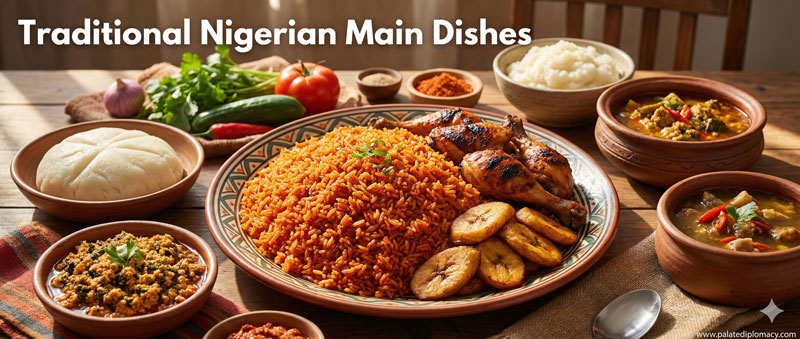
Asun is a celebrated dish in Nigerian cuisine, known for its smoky aroma and bold, bright flavors. It sits at the heart of many gatherings, from bustling market corners to family cookouts. This dish invites people to come together, share stories, and savor a moment of hospitality. Its rise in popularity tells a story of texture, heat, and communal joy.
What is Asun?
Asun is grilled goat meat cut into bite-sized pieces and glazed with a lively spice rub. Vendors skewer the meat and cook it over charcoal until the edges blister and the center remains tender. The spice blend often includes peppers, onions, and a punch of heat that lingers pleasantly. The result is a bite with a charred exterior and juicy interior, brightened by fresh herbs and aromatic spices.
The Flavor and Craft
The heart of Asun lies in its technique and spice balance. The rubbing mix brings warmth, depth, and a hint of sweetness from caramelized onions. A touch of heat from ground peppers elevates the meat without overwhelming it. On the aroma, smoke from the grill mingles with roasting spices, drawing people closer. The craft is approachable yet refined: careful timing, steady flames, and a respect for the meat’s natural flavors.
The Path to Popularity
Asun gained widespread appeal through busy street markets, lively grill corners, and neighborhood celebrations. Vendors refined their charcoal methods, perfecting the blistered edges that crackle when bitten. Over time, as communities gathered for meals and ceremonies, Asun Became a trusted signal of welcome and warmth. Its presence in restaurants and home kitchens helped carry the dish from street stalls to more formal menus, all while preserving its vibrant, affordable essence.
Cultural Value and Hospitality
Asun embodies hospitality in many Nigerian homes. Sharing skewers signals openness, celebration, and togetherness. It complements festive occasions and everyday meals alike, turning a simple bite into an act of community. The dish invites conversations about flavors, family recipes, and the care that goes into grilling. In this way, Asun is more than food; it is a ritual of connection.
Serving and Pairings
Traditionally, Asun is enjoyed with staples such as yam, plantain, or fufu, accompanied by a bright pepper sauce or fresh onions. It also pairs well with light grains or bread, allowing the spice and smoke to shine. For a balanced plate, many diners add a cool salad or cucumber slices to contrast the warmth of the meat. The serving style reinforces its role as a shared, festive dish.
Regional Variations and Modern Keepsakes
Across Nigeria, cooks adapt the spice level and balance to local tastes. Some use additional herbs like garlic and ginger for depth, while others emphasize the pepper mix for a cleaner heat. This flexibility preserves the dish’s essence while letting regions imprint their own personality. Contemporary chefs may experiment with smoke levels and accompaniments, but the core joy remains: a communal grate, a platter of skewers, and smiles around the table.
Preserving the Craft
Careful handling of meat, clean grilling practices, and sustainable fire management keep Asun vibrant for future generations. Vendors and home cooks alike value fresh ingredients, careful marination, and respectful sharing. This mindful approach ensures that the dish stays joyful, safe, and inviting.
Conclusion
Asun stands as a pillar of Nigerian Food Culture, a testament to flavor, craft, and connection. Its popularity grew from the warmth of market grills to the heart of kitchens, always centered on hospitality and shared pleasure. By celebrating Asun, we celebrate a tradition that invites everyone to come closer, savor the moment, and enjoy the beauty of well-grilled meat and even better company.