
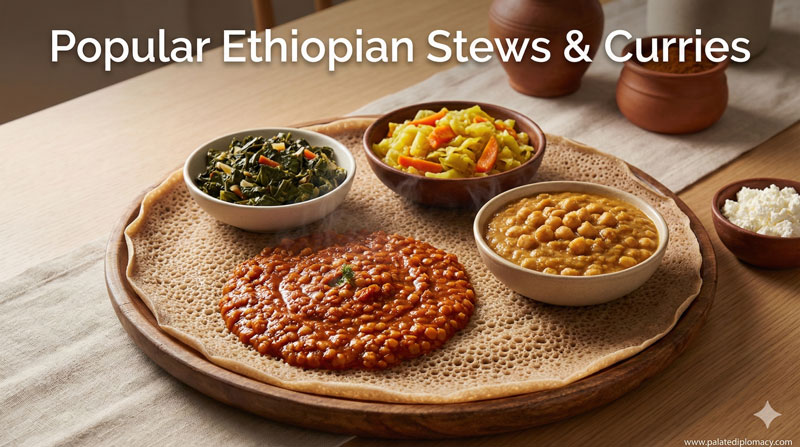
What Makes Atkilt Wat Special
Atkilt Wat is a bright, comforting Ethiopian vegetable stew. It combines potatoes, carrots, and cabbage with onions, garlic, and ginger. Turmeric gives a warm gold color, and a touch of berbere or mild spices adds gentle depth. The dish is cooked slowly in a little oil or clarified butter, then rests to drink in all the flavors. Most often it arrives on the table with injera, the soft, spongy bread that carries every bite. In homes across Ethiopia, Atkilt Wat stands for nourishment that feels welcoming, balanced, and shared.
The Core Ingredients and Their Stories
- Potatoes: provide a hearty, comforting base.
- Carrots: bring sweetness and color.
- Cabbage: adds crunch and a fresh note.
- Onions and garlic: lay the foundation for aroma.
- Ginger: adds a gentle warmth.
- Turmeric: coats the dish in sunny color and subtle earthiness.
- Berbere: offers a mild, rosy heat for depth.
- Oil or niter kibbeh: enriches the flavors and gives a smooth finish.
These ingredients are more than pantry staples. They reflect the land and seasons, turning everyday cooking into a moment of care. When they come together, they form a dish that feels both simple and special, as if the kitchen itself is saying welcome.
The Cooking Craft: Technique and Love
First, sauté onions until they are soft and translucent. Then add garlic and ginger, letting the scents rise. Stir in turmeric and, if you Like a gentle warmth, a small amount of berbere. Next, add the potatoes and carrots so they begin to soften and soak up the spices. Finally, fold in the cabbage and let everything simmer together until the vegetables are tender and glossy. A light splash of water or stock helps the mixture breathe and mingle. The key is patience: slow cooking draws out sweetness from the vegetables and keeps each piece distinct. When ready, the dish glows with color and aroma that greet the housewarmingly.
The Table: Hospitality and Tradition
Atkilt Wat is often set on a shared platter with injera laid nearby. Diners tear off pieces of injera to scoop up the vegetables, creating a rhythm of touch and taste that many families know well. This practice embodies Ethiopian hospitality: food is family, and sharing is caring. The dish invites conversation as people pass the platter, admire the colors, and compare textures. It feels equally at Home as a everyday meal and as part of a celebratory gathering, always centered on generosity and connection.
Seasonal Flavor, Everyday Comfort
Atkilt Wat thrives year round, yet its heart remains tied to the garden. In harvest seasons, the vegetables taste especially fresh, while in cooler months the spices add warmth that lifts the kitchen. Families often adapt the recipe to their pantry—adding a pinch more turmeric for color, a touch more ginger for brightness, or a mild amount of berbere for a soft glow of heat. This adaptability makes Atkilt Wat a living part of food culture: familiar, comforting, and endlessly personal.
Pairing and Place: Injera and Beyond
Injera is the classic partner for Atkilt Wat. The flatbread’s tangy bite and porous texture catch every bit of the stew, delivering a complete mouthful each time. Of course, the dish also works nicely with rice or other flatbreads, but the traditional pairing strengthens the sense of place and practice. The combination creates a symphony of flavor and texture that many eaters cherish as a signature experience of Ethiopian cuisine.
Experience Atkilt Wat: A Path to Mindful Taste
- Observe the color: a bright golden glaze signals turmeric’s warmth.
- Listen to the simmer: a gentle, steady bubble means calm, thorough cooking.
- Smell the aroma: ginger and garlic rise with the onions, inviting the first bite.
- Feel the texture: soft carrots and potatoes meet crisp cabbage for a comforting bite.
- Taste the balance: vegetables sing softly, with spice providing a gentle frame.
For visitors or curious cooks, tasting Atkilt Wat offers a respectful glimpse into how Ethiopian households celebrate vegetables. It is a dish that honors farmers, cooks, and all who share meals together.
A Dish of Color, Comfort, and Connection
Atkilt Wat elevates vegetables beyond the everyday. It celebrates color, texture, and aroma while reminding us that food can be a bridge between people. The dish speaks of careful preparation, patient cooking, and a spirit of welcome. In homes large and small, Atkilt Wat makes the table feel warm, inviting, and alive with conversation. It is a testament to the beauty of Ethiopian food culture and the joy of sharing a meal that nourishes body and heart alike.