
Introduction
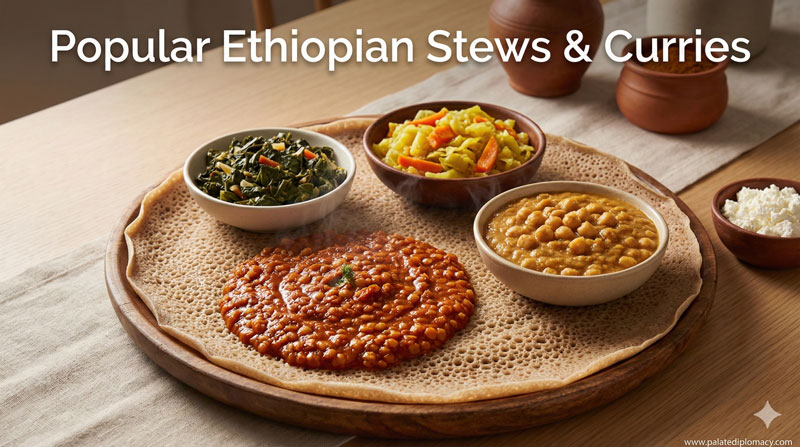
Atkilt Wat Is a beloved dish in Ethiopia, known for its bright colors, comforting textures, and steady, welcoming flavor. It centers on simple vegetables cooked with care, creating a meal that feels both everyday and special. This dish embodies the warmth of family dining and the joy of sharing a table with others. Through its balance of nutrition, aroma, and color, Atkilt Wat invites readers to savor the beauty of plant-based cooking in Ethiopian culture.
Core ingredients and flavors
The heart of Atkilt Wat is a trio of vegetables: cabbage, carrots, and potatoes. These components are often joined by green beans or peas, depending on what is fresh during the season. Aromatics play a crucial role: onions, garlic, and ginger build a fragrant foundation. A bright tomato base unites the vegetables, giving the stew a gentle sweetness and depth. Spices elevate the dish without overwhelming it. Common seasonings include berbere for a mild warmth and turmeric for a golden hue. A touch of oil, sometimes niter kibbeh (a spiced clarified butter), enriches the dish, though you can use a neutral oil for a lighter version. Fresh herbs may finish the pot, adding a final lift to the flavors. The result is a vibrant, plant-forward dish that remains approachable for cooks of any level.
Preparation and technique
Making Atkilt Wat is a study in gentle layering. Start by heating oil and softening onions until they become translucent. Then add minced garlic and ginger, letting their aroma rise. Sprinkle the spices and stir to release their fragrance. Add tomatoes and a splash of water to form a light sauce. Next come the vegetables: start with the heartier potatoes, followed by carrots and cabbage (and any optional greens). Simmer slowly until everything is tender but not mushy. The sauce should cling to the vegetables without drying out. Finish with a pinch of salt and a brief rest off the heat so the flavors meld. The technique favors patience and balance, producing a dish that tastes of home and careful preparation. Finally, serve warm on a bed of injera or with flatbread to capture every bite.
Cultural role in Ethiopian meals
Atkilt Wat holds a steady place in Ethiopian dining. It works as a comforting staple on weeknight tables and as a nourishing option during gatherings. The dish is frequently prepared in larger quantities, inviting sharing among family and friends. Injera, the sour flatbread, commonly accompanies Atkilt Wat, offering a natural utensil and a flavorful contrast. Eating becomes a communal act, with everyone contributing to the conversation around the table. The dish also reflects the values of hospitality and balance, honoring the ingredients and the people who come to enjoy them. In this sense, Atkilt Wat is more than food; it is a daily expression of welcome and togetherness.
Regional variations
Across Ethiopia, cooks adapt Atkilt Wat to local tastes and ingredients. Some regions favor crisper cabbage and sweeter carrots, while others lean toward a more tomato-forward profile. Spices may be adjusted for a milder or bolder warmth, always respecting family tradition and seasonal produce. In some homes, a touch of chili or a hint of fresh herb finishes the dish, giving A Unique regional signature. Despite these variations, the dish remains distinctly Ethiopian: nourishing vegetables, gentle simmering, and a bright, inviting presentation.
Serving traditions and etiquette
atkilt Wat shines when shared on a generous platter with injera. Diners scoop portions onto their injera and wrap bites into a hand-held roll. This method highlights the harmony between soft, tender vegetables and the tangy flatbread. A small, mindful bite is a gesture of appreciation—often accompanied by conversation, laughter, and a moment of rest before the next mouthful. A traditional practice in some households is gursha, a warm act of feeding another person a portion from one’s own plate. It signals hospitality and care, reinforcing the social side of Ethiopian dining.
Harvest, seasonality, and sustainability
Atkilt Wat reflects the seasonal rhythms of Ethiopian agriculture. Cabbage, carrots, and potatoes are commonly harvested at predictable times, making the dish both practical and celebratory. When fresh greens are abundant, they take center stage; when not, the dish still shines with the core trio of vegetables. The recipe’s flexibility supports sustainable cooking, allowing cooks to use what is readily available while minimizing waste. This plant-forward approach aligns with a long tradition of honoring seasonal produce and preparing meals that nourish both body and community.
The beauty and significance of balance
What makes Atkilt Wat special goes beyond taste. It embodies balance: the sweetness of vegetables tempered by bright spices, the richness of oil tempered by the lightness of tomatoes, the warm glow of the pot matched by the cool vibrancy of raw vegetables on the plate. The dish teaches patience, respect for ingredients, and joy in shared meals. It invites us to see everyday cooking as an art form that honors both the land and the people who cultivate it. In this light, Atkilt Wat is not merely sustenance; it is a celebration of Ethiopian food culture’s generosity and beauty.
Closing thoughts
If you are curious about Ethiopian Cuisine, Atkilt Wat offers a gentle, inviting doorway. It showcases how a few everyday vegetables can become a dish of depth, color, and character. With injera at the ready and family or friends nearby, preparing Atkilt Wat becomes a small ceremony of care. The dish stands as a testament to the culinary significance of simple ingredients treated with respect, patience, and joy. Explore Atkilt Wat to experience the warmth and balance at the heart of Ethiopian food culture.