
What Makes Atkilt Wat So Special in Ethiopia
Atkilt Wat is more than a vegetable dish. It is a living thread in the fabric of Ethiopian dining. In homes and on communal tables, it shines as a bright, welcoming bowl that invites sharing. The dish blends everyday ingredients with thoughtful technique to create something both comforting and vibrant. Its beauty lies in balance: colors, textures, and flavors that honor the season and the cook alike. This post explores its cultural value and culinary significance, inviting readers to savor how Atkilt Wat embodies Ethiopian hospitality and food tradition.
The Heart of the Dish: Core ingredients and method
Atkilt Wat centers on humble vegetables prepared with care. Cabbage, carrots, and potatoes lead the mix, cut into bite-sized pieces that hold their shape as they simmer. Onions, garlic, and ginger build a warm, fragrant foundation. Tomatoes add bright acidity, while turmeric and other spices bring depth without overpowering the vegetables. Some cooks finish the pot with a touch of berbere for warmth, while others keep it mild to highlight the vegetables’ natural sweetness. A splash of water or stock and a slow simmer coax the vegetables to tender perfection, letting the flavors mingle.
Traditionally, a small amount of niter kibbeh — a spiced clarified butter rich with garlic, onions, and herbs — may be used. When niter kibbeh is not used, a good oil still carries the spices beautifully. The method favors patience: a gentle simmer allows the vegetables to soften while preserving bite. The result is a colorful, glossy stew that looks as inviting as it tastes. The cooking process itself is a quiet ritual, practiced in kitchens big and small, across the country.
How it comes together: ingredients as a cultural palette
The vegetable mix is chosen not only for flavor but for symbolism. The bright orange of carrots, the pale gold of potatoes, and the soft green of cabbage create a meal that feels Like a celebration of the harvest and the season. The kitchen aroma — onion and garlic meeting ginger, then turmeric, tomato, and a hint of spice — tells a story of warmth and welcome. Each ingredient becomes part of a larger conversation about food, family, and togetherness.
In many homes, the dish is prepared in a large pot or clay vessel, enough to feed neighbors and guests who might drop by. The act of cooking becomes a social moment: measuring, stirring, and tasting together. This shared labor mirrors Ethiopian hospitality, where cooking and eating are acts of generosity and connection. The result is a dish that tastes like home, even for first-time visitors.
Cultural significance: meals, hospitality, and fasting joys
Atkilt Wat sits at the heart of everyday life and festive occasions alike. It is a staple on many tables because it fits into both daily meals and larger gatherings. The dish is commonly served with injera, the soft, spongy sour flatbread that Ethiopian households regard as both plate and utensil. The combination creates a unique dining experience: injera soaks up the sauce, while bites of vegetable and spice are picked off with the torn edges of the bread. This shared method reinforces a sense of community and belonging.
One important cultural note is the role of Atkilt Wat during fasting periods. Ethiopian Cuisine often follows fasting practices that call for plant-based meals. Atkilt Wat shines in these moments because it is hearty, flavorful, and satisfying without meat. It demonstrates the creativity and care that cooks bring to plant-based meals, showing that a dish can be both nourishing and festive. The dish thus serves as a bridge between everyday eating and mindful, communal eating.
Texture and flavor: a harmony of bite and brightness
The texture of Atkilt Wat matters as much as its taste. The vegetables retain a gentle chew, offering contrast to the softness of the sauce. The sauce itself is bright, with a balanced acidity from tomatoes and a mellow warmth from turmeric and spices. The overall flavor is comforting without being heavy, making the dish easy to pair with other elements on the table. The result is a dish that can feel both simple and refined, depending on how it is prepared and served.
In terms of aroma, the kitchen fills with the scent of onion, garlic, ginger, and spice. The fragrance alone signals hospitality and care. This is not a fast, single-note dish; it unfolds with depth as the spices bloom and the vegetables mingle. The sensory experience—color, aroma, texture, and taste—offers a complete moment of eating that resonates with many people.
Regional variations: a flexible expression of tradition
Around Ethiopia, cooks adapt Atkilt Wat to local tastes and seasonal produce. Some regions emphasize a leaner, lighter version with more cabbage and carrot, while others add extra potatoes or beans for heft. The spice profile can shift too: a touch of berbere for warmth in some areas, a simpler blend in others. These variations reflect local markets, family traditions, and the rhythm of daily life. Yet the core idea remains the same: a colorful, vegetable-forward dish that speaks to nourishment, hospitality, and shared meals.
Regional interpretation also shows up in serving style. Some households present Atkilt Wat as the centerpiece of a platter alongside other wats and salads, all shared on injera. In other homes, it appears as a comforting main dish for a quiet dinner with close family. Throughout, the spirit is constant: a dish that invites people to gather, eat, and connect.
A dish for everyday life and special moments
Atkilt Wat is wonderfully democratic in its appeal. It fits a weekday meal, a weekend feast, or a holiday spread. Its plant-based foundation makes it accessible to many guests, regardless of dietary preferences. Yet its flavor and color elevate it to something special, capable of turning a simple table into a memorable moment. The dish embodies a balance between practical nourishment and celebratory eating, a hallmark of Ethiopian food culture.
In social settings, Atkilt Wat can be the centerpiece that sparks conversation about family recipes, seasonal produce, and regional tastes. It invites storytelling about kitchens past and the ways different cooks bring each batch to life. These conversations deepen appreciation for the dish and strengthen the sense of shared culture around the table.
Pairings and presentation: injera as partner and stage
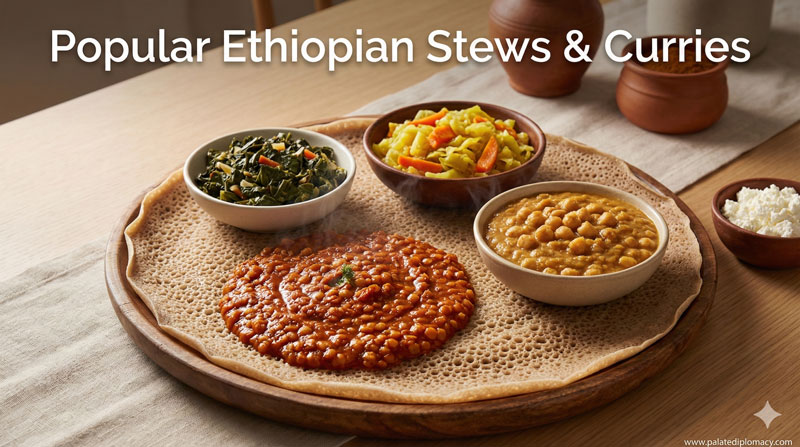
The serving context amplifies Atkilt Wat’s charm. Injera provides a perfect companion: its tangy flavor and porous surface catch the sauce, while its texture contrasts with the vegetables. A platter of Atkilt Wat and other wats, fresh salads, and maybe a simple lentil dish creates a complete, colorful spread. Garnishes such as chopped herbs or a squeeze of lemon can brighten the plate, but the core beauty remains the vegetable medley in sauce.
Presentation matters, too. A wide, shallow dish showcases the color gradient of the vegetables. When shared with friends and family, the visual appeal reinforces the sense of welcome. A table that looks inviting encourages people to linger, talk, and savor each bite together.
The beauty of care: etiquette and mindful cooking
Attention to detail matters in Atkilt Wat. A gentle simmer, careful seasoning, and the choice of fresh produce all reflect the cook’s care. Even the way the dish is combined with injera matters: not rushing a spoonful, taking a moment to enjoy the aroma, then lifting a bite with bread. These small practices highlight Ethiopian hospitality, where cooking is an act of generosity and eating is a shared experience of warmth and respect.
Conclusion: a timeless staple with a living story
Atkilt Wat remains a beloved emblem of Ethiopian food culture. It is a dish built on simple ingredients that come together through skill, patience, and a generous spirit. Its appeal lies in its balance of color, texture, and flavor, and in the way it brings people around the table. Whether enjoyed on a quiet weekday or celebrated with friends and family, Atkilt Wat stands as a shining example of food that nourishes both body and community. If you wish to explore Ethiopian cuisine with a dish that is welcoming, adaptable, and deeply cultural, Atkilt Wat offers a bright, satisfying introduction.