
What is Atkilt Wat and Why It Charms Travelers
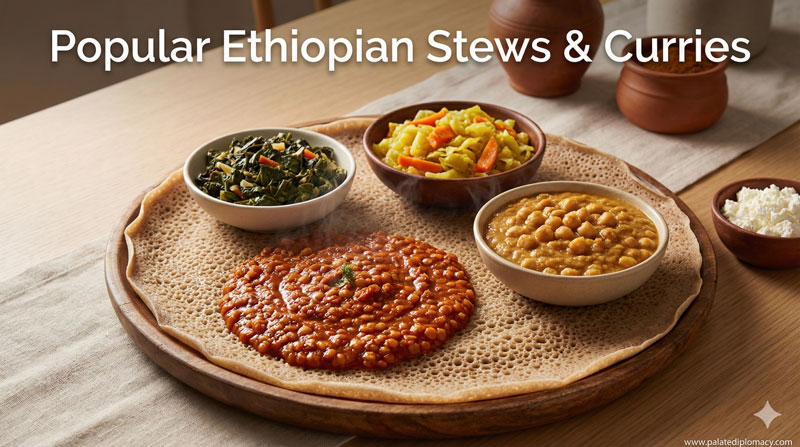
Atkilt Wat is a fragrant Ethiopian vegetable stew. It brings together potatoes, carrots, and cabbage in a gentle, tomato-flecked sauce. Onions, garlic, and ginger layer in warmth, while turmeric adds a sunny glow. This dish is often enjoyed with injera, the soft sour flatbread that soaks up the flavorful sauce. For travelers, Atkilt Wat feels Like a welcoming invitation to a kitchen where every bite tells a story.
A Window into Ethiopian Home Cooking
Atkilt Wat captures the spirit of home cooking in Ethiopia. It relies on fresh vegetables, careful layering of spices, and patient simmering. The onions melt into the oil, releasing sweetness that balances the tang of tomatoes. Ginger and garlic brighten the mix, while turmeric adds color and depth. The dish stays approachable, yet it reveals the kitchen’s rhythm: prep, gentle simmer, and tasting at the end. This balance of technique and produce makes Atkilt Wat a family favorite and a reliable way to share culture at the table.
Color, Aroma, and Texture: A Sensory Journey
Visual beauty welcomes the senses. The carrots lend a warm orange, the potatoes a comforting pale, and the cabbage adds a soft green note. The sauce glows with a tomato blush and a gloss from the cooking fat. The aroma is inviting—onions caramelizing, garlic waking up, ginger warming the air. Each bite offers a tender bite from the vegetables and a silky sauce that coats the mouth. The result is satisfying without being heavy, a harmony that travelers remember long after the meal.
The Social Plate: Sharing and Hospitality
In Ethiopian dining, food often comes to the table for sharing. Atkilt Wat is commonly served on a communal platter with injera laid out for scooping. Diners gather around, tearing pieces of injera and using them to scoop the stew. The act of sharing creates a sense of welcome and connection. Travelers feel included, tasting a dish that invites conversation about family recipes, seasonality, and the rhythms of daily life. The experience is as much about community as it is about flavor.
Culinary Significance in Ethiopian Cuisine
Atkilt Wat stands out as a vegetable-based wot, a category that showcases the care given to plant-forward dishes. It highlights balance: the sweetness of carrots, the earthiness of potatoes, and the crisp bite of cabbage all harmonize with a mild, peppery backdrop. This dish demonstrates how Ethiopian cuisine respects vegetables as main course fare, not just side dishes. It also showcases how spices and aromatics can elevate simple ingredients into a memorable meal, reinforcing the pride and artistry of regional cooking.
Tips for Travelers: Where and How to Enjoy It
Seek Atkilt Wat at authentic Ethiopian restaurants or markets that serve traditional meals. Order it with injera to experience the proper pairing of scoop and sauce. If you prefer a milder plate, mention a gentle spice level; many kitchens can adjust without losing flavor. Pairing with a hot, fragrant tea or a light coffee can complete the sensory journey. Notice how the dish changes with the season’s produce, and savor the subtle variations that different cooks bring to the table.
A Simple Atkilt Wat: Home Cooking with Cultural Heart
If you’d like to try a version at Home, here is a basic approach:
– Ingredients: potatoes, carrots, cabbage, onions, garlic, ginger, tomatoes or tomato paste, turmeric, cumin, coriander, olive oil or niter kibbeh.
– Method: Sauté onions in oil until they soften. Add garlic and ginger, then spices. Stir in chopped potatoes, carrots, and cabbage. Add tomatoes and a little water. Simmer until vegetables are tender and the sauce thickens. Taste and adjust. Serve with injera or warm bread.
– Note: This method gently echoes the tradition of building flavor with patience and fresh produce.
Atkilt Wat welcomes travelers into a peaceful dining moment—one that honors ingredients, technique, and the shared pleasure of a well-kept kitchen. It is more than a dish; it is a doorway to the warmth and beauty of Ethiopian food culture.