
Why Travelers Are Falling in Love with Atkilt Wat
Travelers often discover Atkilt Wat as a warm welcome on a plate. This Ethiopian vegetable stew blends aroma, color, and comfort into a single gesture of hospitality. The dish speaks in simple, joyful terms and invites you to slow down and savor. Each spoonful carries a story of home cooking, fresh market produce, and a patient simmer that gives vegetables room to shine. For many visitors, the first bite feels Like a doorway into a friendly kitchen and a generous table.
The Core of Atkilt Wat: Ingredients and Technique
At the heart of Atkilt Wat are humble vegetables: potatoes, carrots, and cabbage. Onions, garlic, and ginger build a fragrant, gently spicy base. Turmeric brightens the mix with a sunny hue, while cumin and a hint of cinnamon deepen the flavor. A light olive oil or other neutral fat adds silk to the sauce. The vegetables simmer slowly until tender and glossy, absorbing the spice without losing their character. The method is a warm, patient one-pot process that celebrates everyday ingredients.
A Dish of Hospitality: Eating Atkilt Wat with Injera
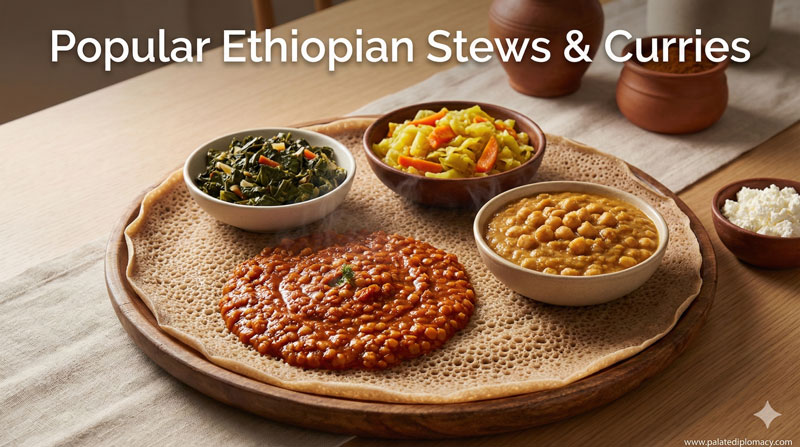
Injera is the perfect companion for Atkilt Wat. This sour, spongy flatbread catches the sauce and adds a tangy balance. Meals arrive at the table as shared moments, with everyone dipping and tearing from the same platter. The practice reinforces a sense of welcome and togetherness. In many homes and eateries, the act of passing the injera and ladling the stew becomes a quiet ritual of care.
Color, Comfort, and Cultural Significance
The plate tells a soft, thoughtful story. Orange carrots, pale potatoes, emerald cabbage, and golden onions form a hopeful palette. This color harmony mirrors harvest and home. The dish appears on tables during routine meals and on special occasions, reflecting a rhythm of everyday life and celebration. The simplicity of Atkilt Wat masks a depth of tradition: it is a reliable, nourishing option that fits many moments of the day while honoring seasonal produce.
Seasonal Range and Variations
No two cooks make Atkilt Wat exactly the same, and that variation is part of the appeal. Some households add green beans, peas, or peppers for texture and sweetness. Others favor a slightly stronger spice note or a lighter touch of turmeric. The core idea remains intact: vegetables stewed with care, dressed with warm spices, and finished with a gentle gloss. This adaptability helps the dish travel across kitchens while preserving its essence.
The Sound of the Kitchen: Preparation as Cultural Practice
Preparation begins with chopping and layering. Onions soften in oil, releasing sweetness. Garlic and ginger join in, followed by spices that bloom in the pan. Vegetables join in, and a measured amount of water or stock lets the mix simmer. The kitchen fills with a comforting aroma that signals nourishment and welcome. The steps are straightforward, yet the rhythm feels like a ritual of care handed down through generations.
Sharing and Social Flow: Meals, Gatherings, and Rituals
Atkilt Wat shines in social settings. A busy market corner, a family kitchen, or a community meal all become stages for this dish. When people gather around a single pot, conversation flows as freely as the steam rising from the pan. The meal becomes a moment of connection, where food and conversation blend in a natural, relaxed way. Hospitality and generosity are the steady undercurrent that many travelers notice and remember.
Serving and Pairing: When and How It Shines
Serve Atkilt Wat hot, with injera ready to catch every bit of sauce. The combination invites a tactile, immersive dining experience. For beverages, a simple tea or coffee after the meal complements the warmth and sweetness of the dish. The pairing highlights the balance between savory tenderness and bright spice, making the dish feel both comforting and bright.
Bringing Atkilt Wat Home: Simple Steps
- Gather fresh vegetables: potatoes, carrots, cabbage, onions, garlic, and ginger.
- Prepare a gentle spice blend: turmeric, cumin, and a trace of cinnamon.
- Sauté aromatics, add vegetables, and simmer with a touch of water until tender.
- Finish with a light oil drizzle and a pinch of salt.
- Serve with injera for a complete experience.
- Enjoy with a warm beverage to extend the moment of hospitality.
A Last Note on Cultural Value
Atkilt Wat offers a clear doorway into Ethiopian food culture. It emphasizes nourishment, balance, and shared meals. The dish invites travelers to notice how simple ingredients can become a meaningful, generous plate. Its cultural value lies in the everyday practice of cooking with care, the joy of sharing, and the timeless appeal of a dish that respects season, family, and community. This is why travelers repeatedly fall in love with Atkilt Wat: it is more than food; it is an invitation to experience a welcoming kitchen and a generous table.