
Everything You Need to Know About Banga Soup
Banga soup is a radiant, palm-forward dish that shines in many Nigerian kitchens. It centers on the rich pulp and oil of palm fruit, forging a vibrant, golden-red broth. Chefs and home cooks alike bring this soup to life with Meat or fish, bold peppers, and a touch of aroma. The result is a comforting, flavorful experience that speaks to a region’s pantry, craft, and hospitality.
Cultural Value and Culinary Significance
Banga soup carries meaning beyond a single recipe. It is a common centerpiece for family meals, market days, and festive gatherings. Communities honor the palm harvest by transforming the fruit into a dish that travels from the pot to the table with warmth and care. The prepare-and-share moment invites conversation, laughter, and connection. In many homes, the recipe is a family treasure, passed down with notes about timing, spice balance, and preferred proteins. The dish also welcomes visitors, offering a flavorful doorway into local Food Culture and daily life.
Key Ingredients
- Palm fruit pulp and oil (the base, lending creaminess and color)
- Meat, fish, or both (common choices include beef, goat, or dried fish)
- Onions and fresh peppers (for aroma and heat)
- Crayfish or stockfish (for depth and umami)
- Ground spices and salt (for balance)
- Optional greens or herbs to finish (such as scent leaf or basil in some kitchens)
These elements come together with care. The palm oil provides a distinct richness, while the peppers and seafood introduce brightness and depth. The result is a well-balanced, aromatic soup that celebrates both land and sea ingredients.
The Technique: From Palm Fruit to Soup
First, handle the palm fruit with respect. Cook the fruit to release the pulp, then press or mash to separate the pulp from the kernel. Simmer the pulp with water to form a flavorful base, and clarify the oil from the mix. Next, add onions, peppers, and seasonings to awaken the broth. Then, simmer your chosen proteins until tender. Finally, fold in crayfish or stockfish and finish with a fresh, aromatic note. The patience in these steps yields a soup with a luscious mouthfeel and a clear, inviting aroma.
Regional Variations
Different communities bring distinct touches to Banga soup. In some areas, you’ll notice a higher emphasis on spice and a deeper fish presence. Others favor a lighter, broth-forward profile with more emphasis on palm oil aroma. Some cooks finish the soup with fresh herbs or a squeeze of lime for brightness. Across regions, the core idea remains the same: a palm-based soup that honors local ingredients and culinary technique.
Serving Traditions and Pairings
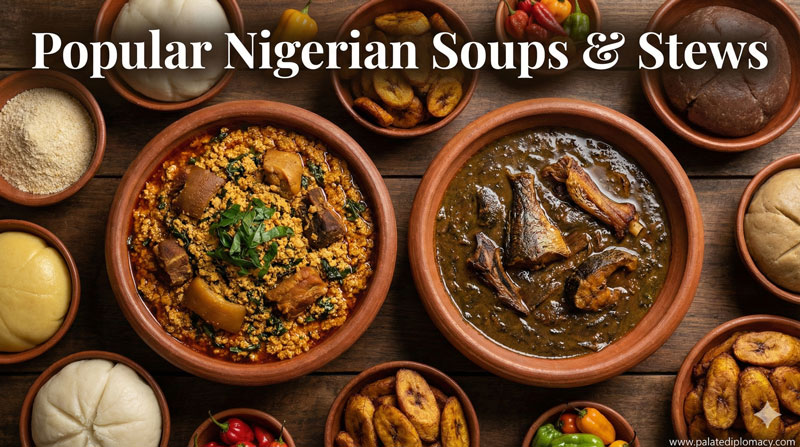
Banga soup rests on a bed of starch. Serve it with fufu, pounded yam, garri, or banku-style staples, depending on tradition and preference. The soup is ladled into bowls or shared in a common dish, often with a side of side-dishes like plantains or vegetables. The aroma invites mindful tasting: sip, savor, and notice how the oil’s sheen carries warmth through the bite. In many homes, family members gather to savor the first spoonful together, underscoring hospitality and togetherness.
A Dish of Craft: Flavor, Texture, and Aroma
The beauty of Banga soup lies in its texture and aroma. The oil layer glistens on top, while the broth remains rich but not heavy. The mouthfeel blends silky pulp with tender proteins, producing a comforting finish. The pepper notes cut through the richness, delivering balance. The aroma rises with each stir, inviting appreciation for the craft behind the dish.
Modern Takes and Home Cooking Tips
- Use canned palm fruit concentrate if fresh fruit is hard to find. It preserves the essential flavor and color.
- Adjust heat gradually. Start with milder peppers, then increase to match your preference.
- Choose your protein based on what you enjoy or what’s available. Fish adds a delicate lift; meat adds heartiness.
- Taste as you cook. Layers of salt, heat, and acidity reveal themselves as the soup simmers.
- Store leftovers in a sealed container. Reheat gently to preserve flavor and texture.
Quick Facts for Curious Cooks
- Banga soup is deeply rooted in Nigerian cuisine and is beloved in many coastal and riverine communities.
- The dish showcases how local ingredients—palm fruit, peppers, seafood, and seasonings—work in harmony.
- It offers a versatile canvas for seasonal produce and preferred proteins, keeping the tradition flexible.
Conclusion: A Warm Welcome to the Table
Banga soup welcomes both seasoned cooks and curious tasters. Its cultural value lies in the shared moment of cooking and eating, while its culinary significance shines in the way simple ingredients merge into a soulful, memorable broth. By honoring technique, ingredients, and regional variation, we celebrate a dish that is not just food, but a living expression of place, family, and hospitality. If you seek a flavorful introduction to Nigerian food culture, Banga soup opens the door with warmth, aroma, and lasting appeal.