
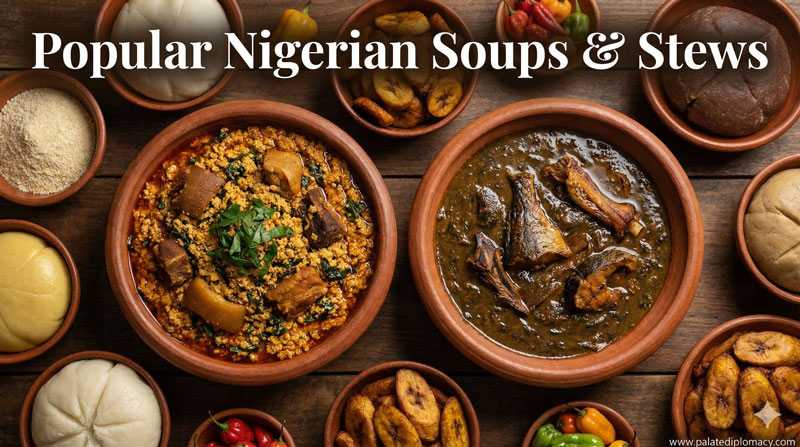
What is Banga Soup?
Banga soup is a fragrant Nigerian dish built around palm fruit oil. The soup boasts a rich, reddish broth and a silky texture. Cooks brighten it with Meat, fish, or seafood, plus peppers, onions, and a mix of seasonings. The palm fruit oil at The Heart of the dish gives a deep, nutty sweetness that lingers on the palate. With every spoonful, you feel warmth, care, and a sense of welcome from the kitchen.
The Heart of the Palm: Ingredients and Technique
The core of Banga soup is palm fruit extract, sometimes called Banga or palm fruit oil. This oil blends with a savory stock to form the soup’s base. From there, cooks add proteins, aromatics, and spices. Common ingredients include:
- Palm fruit extract
- Meat such as beef or goat, and sometimes chicken
- Fish or seafood, like fresh fish or dried fish
- Crayfish for a briny depth
- Onions and local peppers for heat and aroma
- Salt and a simple spice blend; some cooks use ehuru (African nutmeg) for a fragrant finish
The technique is steady and patient. First, simmer the meat to release its flavor. Then stir in the palm extract and seasonings. Add peppers and onions, letting the mixture meld. Finally, fold in fish or seafood last to keep their texture intact. The result is a bright, full-bodied soup with a glossy surface and a warm aroma that fills the room.
Cultural Value: Hospitality, Family, and Shared Meals
Banga soup is more than a dish; it is a symbol of hospitality and family life. In many kitchens, the pot sits at the center of a table where conversations flow as freely as the steam. Sharing a meal of Banga soup communicates care and generosity. It welcomes guests and marks everyday moments as something special. The long simmer and careful attention reflect the time families invest in one another. In this way, the dish becomes a thread that connects generations—recipes passed down, tips shared, and stories told around the pot.
Regional Roots and Variations
Banga soup thrives in the Niger Delta region, with communities such as the Itsekiri, Urhobo, Ijaw, and Ikwerre shaping its character. While the core idea stays the same, regional preferences emerge:
- Some areas favor a bolder fish presence or extra crab for texture and brininess.
- Others adjust the spice level to suit family tastes, balancing heat with the sweetness of the palm oil.
- A few cooks lean on ready-to-use palm fruit concentrates for convenience, while purists prefer fresh palm fruit extract for depth.
These variations highlight both continuity and creativity in the cuisine. No matter the accent, Banga soup carries the same core sense of sharing and pride in a well-made pot.
Cooking Tips to Keep Authentic Flavors Alive
- Start with quality palm fruit oil or extract. Fresh, well-prepared extract creates the distinctive gloss and aroma.
- Layer flavors. Add onions and peppers early, then build richness with meat and crayfish.
- Add seafood last. Gently fold in fish or shrimp near the end to preserve texture.
- Use a balanced spice blend. Salt and pepper set the stage; optional seeds like ehuru add a warm, fragrant note without overpowering the soup.
- Keep the consistency right. If the soup is too thick, loosen it with a little broth; if too thin, let it simmer longer to reduce.
Pairings and Serving Traditions
Banga soup shines with starch-based accompaniments. Common pairings include:
- Pounded yam, which creates a smooth, satisfying bite
- Starch or fufu, offering a soft, pliable texture
- Yams or garri as lighter options
These combinations celebrate texture as much as flavor. In many homes, the serving method emphasizes care: a warm bowl, a clean spoon, and a shared moment around the table.
A Modern Take, Yet Timeless
Today, cooks season Banga soup with both tradition and convenience. Ready-to-use palm fruit concentrates let home cooks enjoy the dish without the labor of fresh extraction. Yet many chefs and home cooks still honor the classic method, choosing fresh extracts for the brightest color and aroma. Both approaches celebrate the dish’s ability to adapt while preserving its soul—comforting, nourishing, and deeply rooted in community.
Final Thoughts: The Beauty of Banga Soup
Banga soup invites you to pause and savor a moment of hospitality. Its aroma signals care, its texture invites conversation, and its glow reflects a tradition that treasures family and friends gathered together. Whether you prepare it with a long simmer or a quick, modern shortcut, the dish remains a celebration of flavor, craft, and cultural value. Enjoy the warmth, share the pot, and let the table tell its own story.