
Everything You Need to Know About Banga Soup
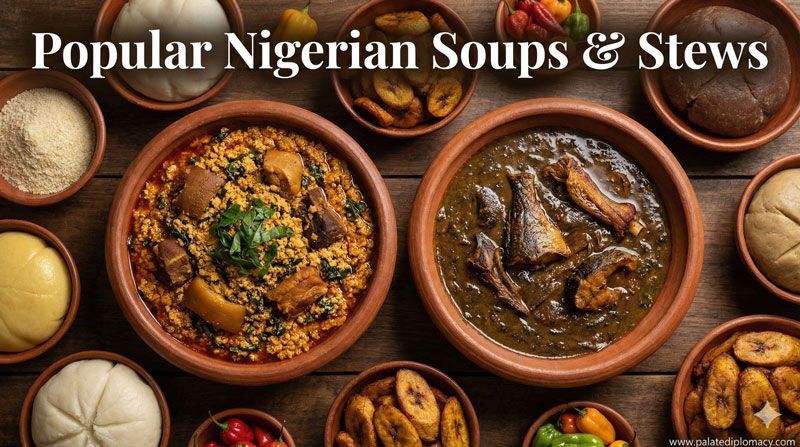
Banga soup is a rich, fragrant treasure from the Niger Delta region. It centers on palm fruit oil and pulp, creating a warm, amber broth that carries deep flavor. This dish speaks to hospitality, craft, and shared meals. It invites friends and family to gather, taste, and tell stories over a steaming pot.
What is Banga Soup?
Banga soup is a palm fruit–based soup. The base comes from ripe palm fruit pulp and oil, simmered to release a toasty, slightly nutty sweetness. The result is a thick, glossy soup with a lively aroma. It often features meat or fish, shellfish, and a blend of local spices. Locals prepare it for everyday meals and for festive occasions alike.
Core Ingredients and Their Roles
- Palm fruit concentrate or pulp: The Heart of the soup. It thickens the broth and gives the signature color and aroma.
- Meat or fish: options include fish, beef, or goat. The choice influences texture and depth of flavor.
- Shellfish and seafood: periwinkle and sometimes prawns or crab add briny notes.
- Onions, peppers, and aromatics: create brightness and heat, balancing the richness.
- Spices and seasonings: local spice blends bring warmth and a hint of sweetness.
- Starch on the side: fufu, pounded yam, or garri completes the meal and soaks up the broth.
These ingredients come together to form a comforting, well-balanced dish. The recipe invites personal touches, from the choice of protein to the level of heat. Each household may adjust the mix, yet the essence remains the same: a nourishing, flavorful cup of culture in a bowl.
The Preparation Rhythm
- Start with the palm fruit: extract the pulp and simmer to release its oils and flavor.
- Build the broth: add onions, peppers, and aromatics to shape the aroma and brightness.
- Add the heart: introduce meat or fish and any shellfish, letting them absorb the surrounding flavors.
- Finish with richness: layer in the final spices and adjust salt to taste.
- Serve with starch: a warm bowl of fufu, pounded yam, or garri invites dipping and mopping up the sauce.
The method emphasizes patience and attention. The cook learns to listen for the moment the broth thickens and the flavors meld. This careful progress strengthens the dish’s identity as a symbol of care and craft.
Cultural Significance and Shared Joy
Banga soup functions as a focal point in everyday life and in special moments. It gathers people around the cooking pot and around the table. In many homes, preparing Banga soup is an act of hospitality—offering warmth, nourishment, and welcome. It reflects regional pride in ingredients, techniques, and flavors that have traveled from market stalls to family kitchens. The dish also highlights cooperation: selecting ingredients, tending the fire, and serving guests all become shared responsibilities.
The aroma of palm oil and spices tells a story of place—the coast, the river, and the forest that supply the palm fruit and seafood. When people sit down to eat, they participate in a tradition that honors farmers, fishers, and cooks. It is a time to slow down, savor, and connect over a comforting bowl that carries memory in every spoonful.
Flavor Profile and Culinary Techniques
Banga soup offers a warm balance of depth and brightness. The palm fruit oil brings a nutty sweetness and a mellow richness. Alongside this, the heat from peppers and the brightness of onions lift the dish. The seafood and meat add texture and a savory backbone. The result is a sauce that clings to starch and lingers pleasantly on the palate.
From a technique view, the key is layering. The cook builds flavor gradually: first the palm fruit flavors, then the aromatics, then the proteins, and finally the finishing seasonings. This layering creates depth without heaviness. The dish rewards careful timing, letting each element contribute its part to the whole.
Regional Variations and Modern Twists
Across communities, you may find small differences that reflect local tastes. Some kitchens favor fish as the primary protein, while others embrace beef or goat. The choice of spice blends can vary, offering sweet, smoky, or herbal notes. Some cooks add a touch of heat with fresh peppers, while others prefer a milder profile.
Modern twists appear in presentation and accompaniment. Chefs may incorporate a wider range of seafood or experiment with different starches to suit diverse palates. Yet the core remains constant: a palm-rich broth with hearty protein, bright aromatics, and a sense of shared enjoyment. These variations honor tradition while inviting new flavors to the table.
Serving Traditions and Table Experience
Banga soup shines when served hot, with sides ready for dipping. A clean bowl, a ladle, and a warm plate of starch set the stage. The ritual of sharing the first serving reinforces hospitality and care. In many households, the pot stays on the table until everyone is served, encouraging conversation and connection.
A well-set table may include fresh herbs or citrus zest as a bright finish, though this is optional. The focus remains on the broth’s richness and the satisfaction of A Complete meal. The act of serving becomes a gesture of welcome and generosity.
Pairings and Seasonal Choices
- Starches: fufu, pounded yam, or garri are ideal because they smooth the transition from strong broth to a comforting bite.
- Sides: simple salad or lightly dressed greens can provide a refreshing counterpoint.
- Drinks: fresh fruit beverages or light, non-alcoholic options pair well without overwhelming the savor of the soup.
- Seasonal notes: in harvest or market days, the availability of fresh fish and seafood can influence the specific proteins used, adding a sense of time and place to the table.
These pairings enhance the experience while preserving the dish’s core warmth and richness.
Tips for Home Cooks
- Start with good palm fruit concentrate or fresh pulp if possible. Quality base matters.
- Balance richness with brightness: a touch of onion and pepper helps lift the flavors.
- Choose proteins that suit your taste and budget; the broth welcomes variety.
- Don’t rush the simmer. A longer, gentle simmer yields a silkier texture and deeper aroma.
- Taste as you go. A final adjustment of salt or heat will keep the dish in harmony with your starch choice.
Why Banga Soup Feels Timeless
This dish remains relevant because it blends a strong regional identity with universal comfort. It invites people to slow down and enjoy a meal that feels both familiar and special. The careful attention to ingredients, technique, and timing demonstrates a culinary craft that can be passed down with pride. Each pot of Banga soup holds a memory of a table, a family, and a shared moment of nourishment.
A Gentle Invitation
If you are new to Banga soup, allow yourself to approach it with curiosity and respect. Notice how the palm oil’s aroma unfolds as you cook. Observe how the spices layer into the broth to create balance. And, most of all, savor the moment when the first spoonful meets the lips, signaling a welcome to a long-standing Food Culture.
Final Reflections
Banga soup is more than a tasty dish; it is a living expression of a coastal culinary tradition. In every pot, you see careful preparation, seasonal abundance, and generous hospitality. It sustains the body and honors the senses. By exploring its flavors and rituals, you connect with a rich moment in food culture—one that invites warmth, conversation, and shared delight.