
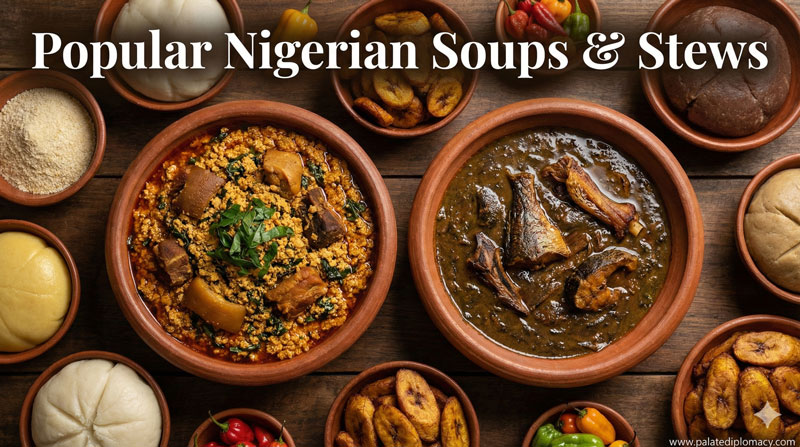
Banga soup is more than a dish. It is a warm invitation to gather, share, and celebrate the vitality of coastal and riverine kitchens. In this guide, you will discover How to enjoy Banga soup Like a local, focusing on cultural value and culinary significance. The goal is to help you feel the rhythm of the table and savor the ingredients that make this soup beloved.
What is Banga Soup?
Banga soup is a rich palm-fruit broth enriched with spices, pepper, and meat or fish. The base comes from the sweet, golden oil pressed from ripe palm fruits. This oil creates depth and a glossy gloss in the soup. Locals often add pieces of fish, beef, or chicken, along with aromatics and peppers to build a layered flavor. The result is a comforting, silky soup with a bright kick and a lingering warmth.
A Cultural Heartbeat
Banga soup sits at the center of many meals that mark everyday life and special occasions alike. It appears in family gatherings, weekend feasts, and communal celebrations. Sharing a pot of Banga soup can signal hospitality and generosity. The way people come together—hands ready to dip, bowls passed around, and stories exchanged in the soft steam—shows how food binds community. In this way, Banga soup is more than flavor; it is a language of connection and welcome.
The Flavor, Texture, and Technique
The core appeal of Banga soup lies in its distinct balance. The palm fruit base gives a smooth, slightly nutty sweetness. Pepper adds warmth without overpowering; spices bring aroma and brightness; and the meat or fish provides savory depth. The texture ranges from a velvety broth to chunks of tender protein, with a hint of oil shimmering on the surface. The technique is practical and patient: simmer the base to release flavors, then fold in aromatics and protein. The result is a dish that invites careful tasting and slow enjoyment.
How Locals Enjoy Banga Soup
Locals approach Banga soup as a social, sensory experience. First, they take a moment to inhale the aroma—the scent of palm, spice, and simmering broth is inviting. Next, they elevate the experience by savoring the first spoonful slowly, letting the warmth spread. Then they pair the soup with a starch such as fufu, starch, or pounded yam. Finally, they eat with hands or a spoon, depending on the setting, guiding the pieces of starch through the silky broth to pick up every tune of flavor. This ritual of tasting, sharing, and savoring makes the meal a richer experience.
Regional Variations and Shared Traditions
Across coastal and riverine regions, Banga soup carries local twists. Some kitchens emphasize a particular blend of spices, while others highlight a preferred type of fish or meat. The choice of accompanying starches also varies, reflecting local tastes and available ingredients. Yet the core idea remains constant: a hearty, communal meal that honors flavor, family, and a generous spirit. These subtle differences celebrate regional creativity while maintaining a common thread of hospitality.
Pairings and Serving Etiquette
To honor the dish, serve it in warm bowls and present it with its preferred starch on the side. Keep the pace relaxed; a long, leisurely meal allows flavors to unfold. If you are sharing with friends or family, consider offering a small sampler of different starches so everyone can discover their favorite pairing. In many homes, the first bowl is a sign of welcome to guests, and a second or third round signals comfort and shared enjoyment. The etiquette is simple: be mindful of others, pass bowls with care, and express gratitude for the meal.
How to Experience Banga Like a Local
- Start with the aroma. Inhale the fragrance of palm oil and spices before tasting.
- Taste the broth first. Let the silky base reveal itself, then notice the heat from peppers.
- Identify contrasts. Enjoy the tenderness of protein against the smoothness of the soup and the chew of starch.
- Pair thoughtfully. Try fufu or yam alongside rice or garri to see how textures balance each bite.
- Share generously. Hospitality shines when bowls flow and everyone enjoys a peaceful pace.
- Respect the dish. Acknowledge the care that goes into preparing the broth, from selecting palm fruit to final seasoning.
A Quick Guide for Home Cooks
If you want to bring the spirit of Banga soup into your kitchen, focus on the essentials. Seek a palm-fruit base or palm-nut product that captures the oil-rich, nutty flavor. Add a simple mix of aromatics and a protein of your choice. Build heat with fresh peppers or pepper blends, then finish with a gentle, lingering spice note. Serve with your favorite starch and a side of greens for balance. The goal is to capture the sense of hospitality and warmth that defines the dish, even when you are cooking for a small gathering or yourself.
The Beauty of the Dish in Food Culture
Banga soup embodies a deep sense of place and tradition. It honors ingredients harvested from local palm and waters, the labor of family kitchens, and the excitement of sharing a meal with others. The dish invites curiosity about how flavor evolves with each addition—from the oil’s sheen to the final bite that lingers on the palate. In this way, Banga soup serves as a cultural living room—a place to learn, celebrate, and connect through food.
Final Thought
A Complete Guide to Enjoying Banga Soup Like a Local invites you to slow down, listen to the aroma, and honor the care behind each bite. It is a dish that bridges generations and neighborhoods through hospitality, flavor, and community. Whether you are at a family table or discovering it at a market stall, let the soup guide you toward a richer sense of place and shared joy. Enjoy the warmth, savor the texture, and celebrate the beauty of Banga soup as part of a living culinary tradition.