
A Complete Guide to Enjoying Banga Soup Like a Local
Banga soup is a cherished dish from the Niger Delta. It centers on the fragrant extract of palm fruit, simmered to a rich, ruby-colored broth. This guide invites you to explore its cultural value and culinary significance, and to savor the dish with the same care. You will discover how flavor, technique, and hospitality come together in every bowl.
What is Banga Soup?
Banga soup blends palm fruit extract, hot peppers, and fish or meat. The palm fruit gives a smooth body and a deep sweetness. The soup can be brightened with spices, herbs, and a splash of palm oil. It is versatile, allowing seafood, chicken, or plain fish to shine. In every version, balance—the mingling of sweetness, heat, and savoriness—draws people close to the table.
The Cultural Value of Banga Soup
Banga soup is more than a meal; it is a social ritual. People gather to share the pot, to swap stories, and to welcome guests. The dish often marks family celebrations, special meals, and everyday gatherings. Preparing and presenting Banga soup is a way to honor tradition, skill, and memory. The aroma travels from kitchen to doorway, inviting conversation and connection. In this way, Banga soup nourishes both body and community.
The Core Ingredients and Their Stories
- Palm fruit extract: the backbone of the broth, lending depth and sweetness.
- Palm oil: adds a glossy finish and a gentle richness.
- Fish or meat: commonly stock fish, dried fish, or salted fish, with occasional chicken or beef.
- Pepper and onion: bring warmth and brightness.
- Salt and local seasonings: round out the flavors.
These ingredients are chosen with care, reflecting local markets, seasonal harvests, and regional preferences. Each choice affects texture, aroma, and taste, making every pot distinct and personal.
Techniques for a Rich, Clear Broth
- Start with fresh palm fruit or well-stored palm extract for a bright base.
- Boil gently to extract flavors without clouding the broth.
- Add pepper and salt gradually to reach a balanced heat and savor.
- Allow meats or fish to simmer until tender, then finish with a light hand on oil to achieve the right sheen.
Careful simmering and mindful seasoning create a broth that invites slow tasting and appreciation.
Serving It Like a Local: Etiquette and Pairings
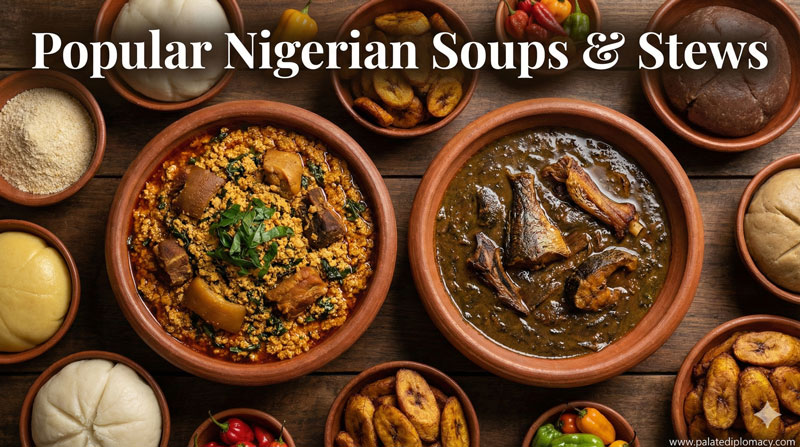
Banga soup is traditionally served hot, in a wide bowl, with a starchy side. Common pairings include pounded yam, fufu, garri, or cassava starch. It is customary to scoop the starch into the soup, letting the flavors mingle with each bite. Eating slowly with family or friends highlights generosity and hospitality. A squeeze of lime or a dash of fresh herbs may be offered to tailor the flavor for each guest, enhancing the sense of welcome.
Where Flavor Begins: Fresh Palm Fruit vs Canned
Using fresh palm fruit yields a bright, nuanced broth with natural sweetness and a silky texture. Canned palm fruit can be convenient, but cooks often report a slight difference in aroma and depth. If you use canned options, you can compensate with extra aromatics and a careful balance of salt and heat. The key is to honor the dish’s heart: its palm-derived richness.
Regional Touches and Variations
in the Niger Delta, cooks adapt Banga soup to local tastes. Some add crayfish for a coastal snap, while others favor smoked fish for a deeper aroma. The choice of meat, the level of heat, and the thickness of the broth all reflect family recipes and neighborhood preferences. Across homes, the core idea remains: a nourishing, fragrant soup that brings people together.
A Quick Tasting Guide: How to Savor Each Sip
- Observe the color: a warm, dark red broth signals depth.
- Smell the bouquet: note palm oil, pepper, and seafood notes.
- Take a small sip first to gauge heat, then enjoy with a swallow of starch.
- Note the balance: the soup should be gently meaty, with a bright finish.
This mindful tasting heightens appreciation and reveals the craft behind every bowl.
Keeping the Tradition Alive: Cooking at Home
Home cooks can celebrate Banga soup by building a small pantry of essentials: palm fruit extract, a good stock of fish or meat, peppers, onions, and a trusted starch. Start with a manageable batch, then adjust heat and salt to your liking. Share the results with family and friends, and invite new guests to experience the warmth of a well-made pot.
Banga soup invites curiosity and care. It is a dish that honors tradition while inviting personal expression. By exploring its ingredients, techniques, and serving rituals, you discover not only flavor but a sense of place. Enjoy this complete guide, and let each bowl tell a story of hospitality, craft, and delicious, local pride.