
Introduction
This post, Everything You Need to Know About Beef Curry, invites you to savor more than a recipe. It celebrates the cultural value and culinary significance of a versatile dish that appears in many kitchens around the world. Beef curry blends warmth, technique, and care. It invites sharing, storytelling, and a sense of belonging around the table. The beauty lies not only in flavor but in the way the dish carries memories, season after season, meal after meal.
What makes beef curry special
Beef curry centers on one idea: tender beef paired with a fragrant, comforting sauce. The dish shines because it adapts to local ingredients, family favorites, and seasonal produce. It can be bold and fiery or mellow and cozy. In every version, the aroma signals hospitality and a heartful welcome. The result is a dish that feels familiar yet fresh, a personal signature passed from generation to generation.
Regional expressions of beef curry
Beef curry shows up in many culinary traditions, each with its own signature twist. First, in the Indian subcontinent, you may find thick, spice-rich gravies built on onions, garlic, ginger, and a warm blend of spices like cumin, coriander, turmeric, and garam masala. Second, in Sri Lanka and coastal regions, coconut milk or cream often softens heat and adds a tropical sweetness. Third, in Southeast Asia, Thai and Indonesian styles bring coconut milk, lemongrass, kaffir lime, and fresh herbs to balance heat with brightness. Fourth, in Japan, curry is a family staple that leans on a smooth roux-based sauce with potatoes, carrots, and onions, creating a comforting curry rice. Finally, in various regional kitchens, beef curry borrows local chilies, spices, and aromatics to reflect a distinct palate. Each expression honors technique and the joy of cooking together.
Core elements and flavor building
Beef curry relies on a few key elements that echo across regions. First, a good browning of beef adds depth and texture. Second, a flavorful base built from onions, garlic, and ginger unlocks warmth. Third, a spice blend or curry paste delivers complexity, ranging from earthy to bright to spicy notes. Fourth, a balancing liquid—stock, tomatoes, coconut milk, or a combination—helps the meat braise to tenderness while developing a silky sauce. Finally, a touch of acidity or sweetness can brighten or mellow the dish, depending on the regional preference. Together, these elements create a harmony that invites the palate to linger.
Techniques that honor tradition
The craft of beef curry emphasizes patience and attentiveness. First, slowly browning the meat releases rich color and flavor without toughening the muscle. Next, softening aromatics releases essential oils that perfume the kitchen. Additionally, simmering the curry gently allows beef to become fork-tender and sauces to emulsify into a glossy finish. Finally, resting the dish briefly after cooking helps the flavors settle, giving the sauce time to cling to each piece of beef. These techniques reflect a respect for the ingredient and a care for the eater.
The cultural value of beef curry
Beef curry sits at the center of shared meals and daily life. It is a dish that travels from stove to table, inviting conversation about family favorites and regional pride. It supports social rituals, from weeknight dinners to festive gatherings. The aroma of simmering spices signals comfort and welcome, making the moment of tasting feel Like a small celebration. In homes and markets alike, beef curry demonstrates how simple ingredients can become an expression of culture, memory, and care.
Pairings, presentation, and serving
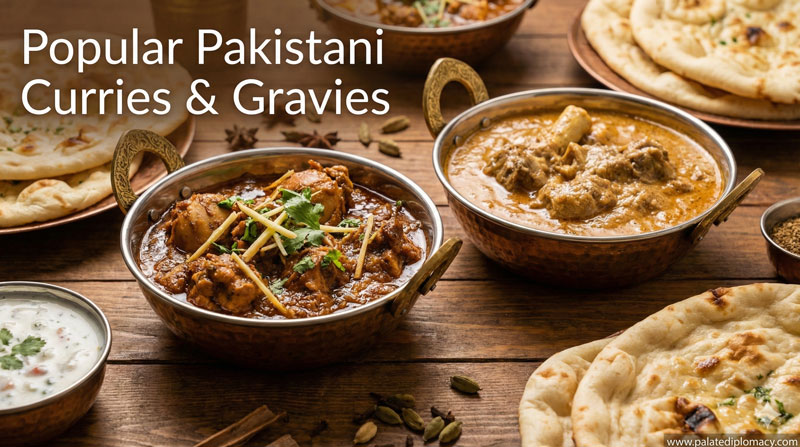
Beef curry finds its best partners in rice, bread, or starchy sides, depending on local tradition. In many kitchens, steamed rice acts as a gentle canvas that soaks up the sauce. Flatbreads like naan or roti offer a hands-on way to scoop and dip. Potatoes or vegetables can be included in the curry or served alongside to enrich the plate. Garnishes such as fresh herbs, sliced chilies, or a squeeze of lime add brightness and color. Presentation often emphasizes warmth and abundance, inviting guests to serve themselves generously and share.
Regional etiquette and table moments
Cultural value shines in how beef curry appears at the table. In some homes, the dish is shared from a single pot, reinforcing a sense of togetherness. In others, a family may plate portions with care, highlighting pride in flavor and technique. The act of serving—whether a parent guiding a child in tasting or friends passing bowls—reflects hospitality. Such moments reinforce community, patience, and gratitude for the meal.
Getting started: a simple approach to beef curry
If you are new to beef curry, begin with a versatile, approachable version that honors core techniques. First, brown beef chunks to develop color and richness. Next, soften onions, garlic, and ginger to release fragrance. Then, add a balanced spice mix or paste, allowing the aroma to bloom. After that, add a flavorful liquid and the beef; let it braise slowly until tender. Finally, adjust seasoning, add a touch of acidity or sweetness as desired, and finish with fresh herbs. This approach celebrates technique and makes room for regionally inspired variations.
A few quick regional notes to guide your exploration
- Indian-inspired: warm spices, a medium-thick gravy, and a touch of cream or yogurt for richness.
- Sri Lankan-style: coconut milk or coconut cream with bold spices and a hint of sweetness.
- Thai-influenced: coconut milk with lemongrass and lime leaves for brightness.
- Japanese curry: a smooth, mildly spiced sauce that pairs beautifully with potatoes and rice.
These notes help you recognize flavors at a glance and inspire you to try multiple expressions.
Conclusion
Beef curry embodies culinary artistry and cultural richness in a single pot. It harmonizes skill, tradition, and generosity, turning a simple meal into a shared experience. The dish invites curiosity about regional flavors, personal preferences, and the joy of gathering around food. By exploring its regional expressions, techniques, and table manners, you gain a deeper appreciation for how beef curry fits into the fabric of Food Culture. May your next bowl be a welcome moment of connection, warmth, and flavor.