
Introduction
Discover the Bold Flavors of Coconut Rice invites readers to savor a dish that honors simplicity and generosity. The beauty lies in its balance: fluffy grains, a creamy coconut aroma, and a touch of salt that makes every bite feel comforting and bright. This is not just a side dish; it is a canvas that carries fragrance, texture, and tradition from kitchen to table. In its quiet richness, coconut rice speaks to care, craft, and shared meals.
The Flavor and Technique
Coconut rice shines when each grain absorbs the coconut milk and the gentle heat of the pot. First, rinse the rice to remove excess starch, helping it stay light and separate. Next, simmer the rice with coconut milk and water, a pinch of salt, and, if desired, a whisper of sugar for a subtle sweetness. The liquid ratio matters: enough coconut milk to perfume the grains, but not so much that they turn creamy beyond recognition. A pandan leaf or a few curry leaves can add a delicate forest aroma; they are optional but can elevate the fragrance. Finally, rest the cooked rice for a moment so the steam settles and the flavors settle into every grain. The result is glossy, tender rice that invites you to lean in and enjoy.
Cultural Significance in Celebrations
Across kitchens, coconut rice is a welcoming centerpiece. It marks gatherings small and large with its warm scent and comforting texture. The dish complements curries, grilled fish, and roasted vegetables, turning a simple meal into a balanced feast. Its presence often signals hospitality, care, and a moment to pause together. Families and cooks alike value its versatility: it can anchor a weekday dinner or enrich a holiday spread. Because the recipe relies on everyday ingredients, coconut rice offers a sense of accessibility and generosity that resonates in homes and eateries alike.
Regional Variations and Traditions
Coconut rice appears in many regional styles, each with its own charm and methods.
– In Southeast Asia, cooks often blend coconut milk with rice to pair with spicy curries and grilled seafood. The result is a fragrant companion that enhances heat with its creamy coolness.
– In Sri Lanka and parts of southern India, coconut milk and curry leaves weave a bright, tropical note into the rice, creating a fragrant foundation for crisp vegetables and Seafood Dishes.
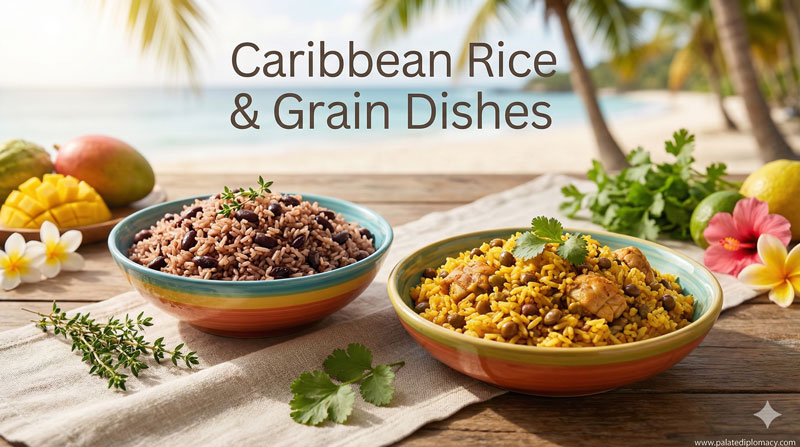
– In the Caribbean, a touch of coconut may mingle with herbs and a hint of sweetness, pairing beautifully with jerk-seasoned meats and stews.
– In the Pacific, coconut cream is a natural partner to fish, taro, and fresh vegetables, bringing a mellow richness that shines beside zesty sauces.
These variations highlight how cooks honor local flavors while keeping the core of coconut rice: a dish that invites fragrant, well-balanced meals.
Serving, Pairings, and Presentation
Serve coconut rice as a warm, inviting throne for other dishes. Garnish ideas include toasted coconut flakes for texture, lime zest for brightness, or fresh herbs like cilantro or Thai basil for a splash of color. The dish pairs well with vegetables, legumes, or seafood that carry bright spice or citrus notes. For a comforting presentation, place a neat mound of rice on the plate and crown it with a few herb sprigs. The goal is harmony: let the coconut cream soften the grain while the accompanying flavors lift the plate without overpowering it.
A Thoughtful Conclusion
Coconut rice stands as a culinary passport to warmth, flavor, and community. Its creamy aroma, adaptable technique, and universal appeal make It a treasured part of many meals. By celebrating its texture, fragrance, and pairing possibilities, we honor the craft of cooking and the joy of sharing food that feels both familiar and delightfully bold. This dish invites us to pause, taste, and appreciate the beauty of a well-prepared meal that brings people together.