
Introduction
Discover the Bold Flavors of Ogbono Soup invites you to explore a dish that blends earthy seeds with rich palm oil and bright spices. This soup stands as a cornerstone of West African home cooking. It offers warmth, aroma, and a sense of tradition in every bowl. Join us as we celebrate its cultural value and culinary significance, inviting you to savor its depth.
What Is Ogbono Soup?
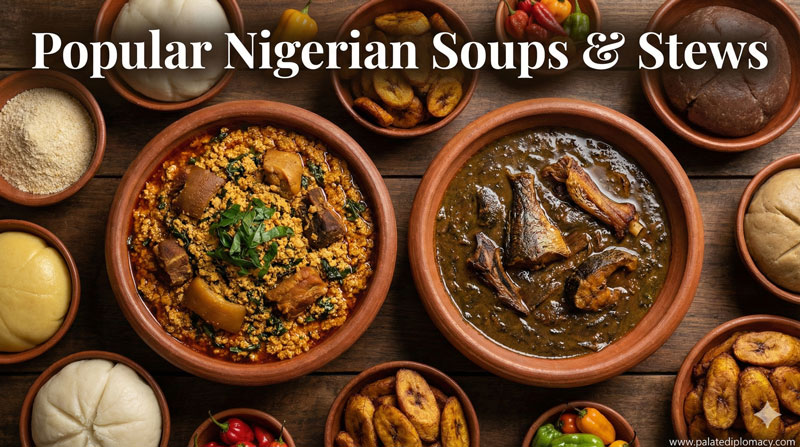
Ogbono soup is made from ground seeds of the African bush mango tree, called ogbono. The seeds melt into a silky paste when simmered, giving the soup its distinctive body. Cooks add palm oil, stock, meat or fish, and flavorful seasonings. Spinach, bitter leaf, or ugwu greens often join the pot. Crayfish or dried fish add a subtle seafood note, while peppers bring bright heat.
Flavor and Texture
You first notice the nutty aroma from the palm oil. The mouthfeel is creamy and slightly mucilaginous, a signature quality. Greens balance the richness, while peppers provide brightness. The result is bold, comforting, and versatile for many tastes.
Cultural Significance in Nigerian Cuisine
Ogbono soup connects families during cooking and meals. It appears in celebrations, weekends, and special gatherings. Generations share tips, stories, and techniques around the pot. The dish reflects regional flavors and personal twists from each kitchen. It celebrates hospitality and the joy of sharing a meal together.
Regional Variations
Across Yoruba, Igbo, and Edo kitchens, cooks adapt. Some use okra for extra body, others rely on leafy greens. The choice of meat or fish varies by season and preference. The basic technique remains: blend seeds, simmer, and season well. Each community adds its own heartbeat to the pot.
Serving and Pairings
Serve ogbono soup with pounded yam, fufu, or garri. The thick sauce clings to each bite. Diners scoop from a shared pot, a sign of togetherness. A side of pepper sauce or a drizzle of palm oil adds a spark of aroma and heat.
Cooking Techniques and Tips
Soak and grind the seeds to a smooth paste. Add a little water and stir to prevent lumps. Start the sauce with heated palm oil, then whisk in stock to emulsify. Simmer gently and add greens toward the end. Adjust salt and heat to taste for a balanced finish.
Ingredients Spotlight
Key ingredients include ogbono seeds, palm oil, meat or fish, crayfish, stockfish, leafy greens, and peppers. Each component contributes texture, aroma, and depth. Freshness and technique elevate the dish from everyday meal to treasured tradition.
Sustainability and Respect for Ingredients
Choose fresh ogbono seeds and greens, preferably from trusted markets. Support local farmers and producers. Cooking with care preserves flavor and honors the cultural value of the dish.
Conclusion
Ogbono soup offers bold flavors and heartfelt warmth. It invites cooks and guests to connect through a shared meal. Its place in Nigerian Cuisine is a story told through taste, texture, and tradition.