
Discover the Bold Flavors of Ogbono Soup
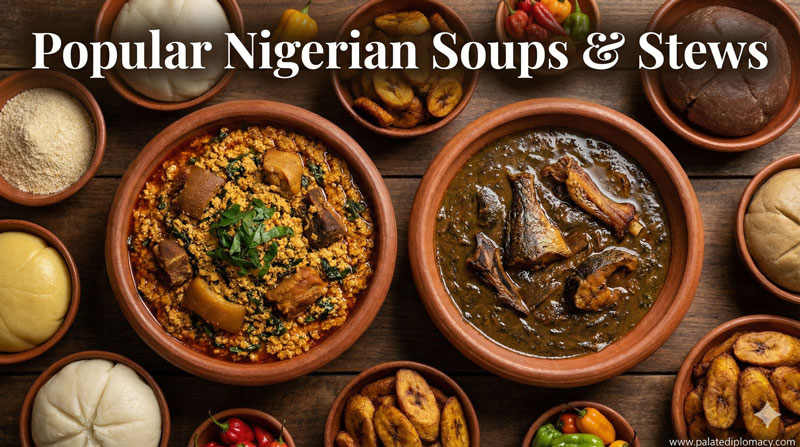
Ogbono soup crowns many tables with its bold, comforting taste. It uses ground ogbono seeds to create a silky, slightly mucilaginous texture that clings to fufu or pounded yam. The nutty aroma rises from palm oil, pepper, and meat as the pot warms. This dish invites everyone to gather, share warmth, and celebrate good food.
Cultural Value and Social Significance
Ogbono soup is more than a meal; it is a symbol of hospitality. In many homes, the pot sits at the center of the kitchen, inviting conversation and laughter. Families come together to prepare the dish, exchanging ideas about taste and texture. The serving ritual—everyone scooping from a common bowl or using a shared plate—speaks to a culture of togetherness. In communities, the dish often appears at family gatherings, festive dinners, and weekend lunches. Its presence signals comfort, welcome, and care.
The act of cooking Ogbono soup can be a memory maker. A grandparent’s tips, a sibling’s adjustments, or a child’s small discovery about the seeds all become part of The Story. The soup welcomes both everyday meals and special occasions, reinforcing a sense of belonging and pride in food traditions. Its versatility mirrors the warmth of the people who prepare it, making the dish a dependable friend in homes and kitchens alike.
Core Ingredients and Traditional Techniques
The heart of Ogbono soup is the ogbono seed. Ground into a fine meal, it dissolves into hot stock to form a smooth, slick texture. Palm oil adds color and depth, while onions bring sweetness and balance. Pepper or chili provides a gentle heat that builds with every sip.
Meat is common in the pot, often beef, goat, or chicken. Some cooks add fish or dried fish for a briny note. Crayfish is a favorite for extra savor. Tom or okra can join the pot, depending on family taste. Water or stock keeps the soup fluid as it thickens.
The technique is practical and clear. First, the seeds are ground finely. Next, they are whisked into hot stock and stirred steadily. This prevents lumps and helps the mixture emulsify with the oil. Then, the meat and fish are added to simmer slowly. Finally, herbs and seasoning complete the flavor profile. The result is a bright, rich soup that shines on the table.
Texture, Flavor Profile, and Pairings
Ogbono soup offers a unique balance. The seeds give a nutty aroma, while the oil lends a warm gloss. The soup is both hearty and light, with a comfortable thickness that coats every bite. The heat from peppers lifts the palate without overwhelming it. The result is a dish that feels luxuriously simple at the same time.
Pair this soup with traditional accompaniments. Pounded yam, fufu, or garri provide a soft, neutral base that lets the soup’s richness stand out. A fresh leafy green on the side adds a crisp counterpoint. These combinations showcase how Ogbono soup can anchor a complete, satisfying meal.
Regional Variations and Names
Across regions, cooks adapt Ogbono soup to local tastes. Some prefer a sleeker finish, while others like a heartier, chunkier texture. The choice of meat, the level of heat, and the presence of greens can shift from family to family. Yet the core idea remains: a fragrant, nourishing soup that honors skill in the kitchen and love for shared meals.
Serving Traditions and Everyday Use
Serving is thoughtful and communal. The pot stays warm at the center of the table, while bowls and spoons circle around it. People savor the first spoonful slowly, then continue with generous helpings. In everyday meals, Ogbono soup offers comfort after a busy day or a quiet weekend moment. It also shines at gatherings, where its scent signals welcome and goodwill.
Practical Tips for Beginners
- Grind ogbono seeds finely for a smooth texture.
- Stir the hot stock steadily to emulsify the oil evenly.
- Add meats and fish in stages to build depth.
- Adjust pepper gradually; taste as you go.
- Serve with fufu, pounded yam, or garri for The Best pairing.
Conclusion
Ogbono soup stands as a celebration of flavor, skill, and shared culture. Its nutty aroma, silky texture, and generous spirit invite us to slow down, savor, and connect. By honoring traditional techniques and personal twists, this dish remains a living thread in the fabric of everyday cooking. Whether enjoyed at a family table or during a casual gathering, the bold Flavors of Ogbono soup remind us how food can mirror warmth, hospitality, and joy.