
Introduction
Discover the Rich Flavors of Fried Plantains invites us to explore a dish that feels both everyday and special. The process is simple, yet the result glows with color, aroma, and taste. When plantains meet hot oil, there is an instant shift from green to golden. The fruit’s natural starches soften, while sugars caramelize, creating a balance of sweet and savory notes. This dish speaks to patience, technique, and a love for clear, honest ingredients.
Cultural Value
Fried plantains hold a cherished place in many kitchens around the world. They appear as a reliable staple, ready to comfort, celebrate, or satisfy a crowd. In homes, markets, and small eateries, the dish marks gatherings big and small. The method travels easily from family recipe to restaurant plate, carrying memories of shared meals and friendly conversation. The plantain itself acts as a bridge between ingredients and people, inviting cooks to improvise with simple seasonings and pairings. Because it is adaptable, fried plantains honor both everyday food rituals and momentary culinary creativity.
Culinary Significance
The dish shines through its texture and flavor. The outside develops a crisp edge while the inside stays tender, creating a pleasing contrast with every bite. Ripeness matters: slightly underripe plantains yield a crispier snack, while very ripe ones bring a softer, more caramelized sweetness. The technique—pan frying or shallow frying—lets natural sweetness surface without overpowering it. Salt, lime, garlic, or a touch of pepper can elevate the profile, yet the core flavor remains generous and clean. As a side, snack, or starter, fried plantains pair with beans, sauces, fresh herbs, or creamy toppings, proving its versatility in various meals.
Techniques and Tips
Choose plantains based on ripeness. Green plantains are firmer and better for a crisp bite. Yellow to black-ripe plantains lean toward sweetness. Slice them evenly for uniform cooking. Heat oil to a steady medium temperature to avoid soggy or burnt edges. Fry in batches, then drain well to preserve crispness. For a personalized touch, finish with a light dusting of salt, a squeeze of citrus, or a drizzle of a mild sauce. The cleaning and patting stage matters, too; dry surfaces help achieve crisper results.
Regional Flavors and Pairings
Across regions, cooks add distinct touches. In some Caribbean and Latin American kitchens, a hint of garlic or a citrus-driven finish brightens the dish. In parts of West Africa, a simple spice blend can complement the plantain’s sweetness without masking it. The beauty of fried plantains lies in its ability to carry regional accents while remaining distinctly recognizable. Pair them with beans, rice, stews, fresh salsa, or a light cheese. Each combination reveals another facet of the dish’s cultural voice.
Serving Ideas and Occasions
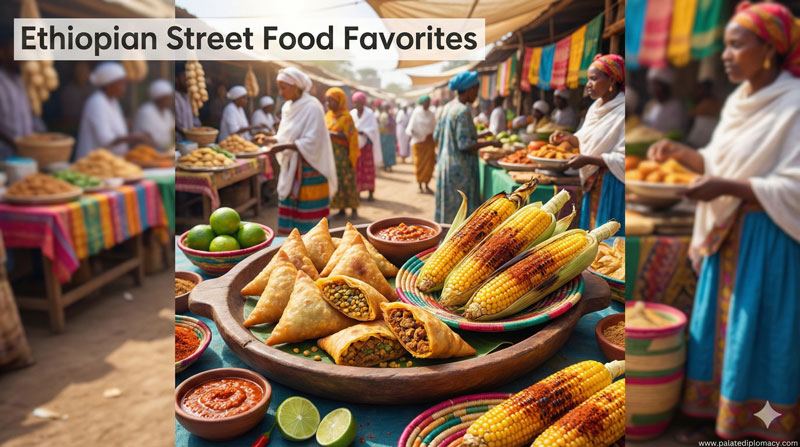
Serve fried plantains as a welcoming starter or a comforting side. They suit weekday meals and weekend gatherings alike. The dish also finds life as Street Food, where a warm plate invites a quick, satisfying bite. For celebrations, a larger platter of golden slices can share a moment of joy and color. The versatile nature of the dish makes it a reliable choice for diverse menus and simple entertaining.
A Note on Craft and Appreciation
This dish invites care in every step—from selecting plantains to the final plate. Respect for ingredients, timing, and technique elevates the experience without complicating it. Observe the beautiful balance of sweetness and savoriness and let the aroma guide the moment. The result is a dish that feels familiar yet special, a testament to the craft of cooking and the joy of sharing good food.
Conclusion
Fried plantains offer a rich, welcoming taste that enriches the palate and the table. Their cultural value comes from everyday use, thoughtful preparation, and the ability to bring people together. By honoring the simple beauty of this dish, we celebrate a lasting story of flavor, technique, and community.