
Introduction
Discover the Bold Flavors of Jerk Chicken invites readers into a dish that celebrates bright spices, crisp heat, and a time-honored cooking method. This post highlights its cultural value and culinary significance within Caribbean cuisine. The goal is to honor the craft, the aroma, and the social joy that come with jerk chicken.
The Heart of the Marinade
The flavor foundation rests in the marinade. A blend of fragrant herbs and spices brings depth and warmth. Allspice, known as pimento, forms the warm, earthy core. Thyme adds a clean, fresh note that balances the heat. Scallions, garlic, and ginger layer brightness, while a careful touch of salt and pepper tunes every element. Scotch bonnet peppers add the signature warmth that makes jerk recognizable. The marinade becomes a fragrant paste that clings to the meat, inviting anticipation and shaping the cooking experience.
Technique that Elevates Flavor
Jerk cooking shines when smoke and method work together. The meat rests in the marinade, soaking in aromatic oils and spice. The heat comes from charcoal or wood, often imparting a gentle sweetness from the smoke. The process favors indirect heat, allowing the chicken to cook slowly and evenly. A brisk finish over higher heat can seal in juices and create a glossy surface. The result is a balance of bold spice, herbaceous brightness, and a subtle smoky finish that lingers on the palate.
Cultural Value in Jamaican Cuisine
Jerk chicken holds a cherished place at many tables. It appears in family meals, street-side stalls, and festive gatherings, where aroma draws neighbors and friends together. The dish reflects a spirit of shared cooking, playfulness with heat, and pride in flavor. Its preparation often involves a rhythm: preparing the spice blend, marinating, and then patiently cooking over open flame. This rhythm connects cooks with a long tradition of craft, seasoning, and care. The result is a dish that resonates as a familiar welcome, inviting and comforting in equal measure.
Global Appeal and Culinary Significance
Across continents, kitchens and restaurants embrace the jerk profile while honoring its roots. The core balance of heat, sweetness, and herbal brightness translates well to diverse menus. Chefs adapt some ingredients to local availability, yet the essence remains: a dish that speaks of levels and layers in flavor. The global appeal lies in accessibility and versatility—jerk chicken can anchor a casual weeknight meal or anchor a vibrant tasting menu. It teaches appreciation for spice harmony, technique, and the power of a strong, memorable aroma.
Pairings and Sensory Experience
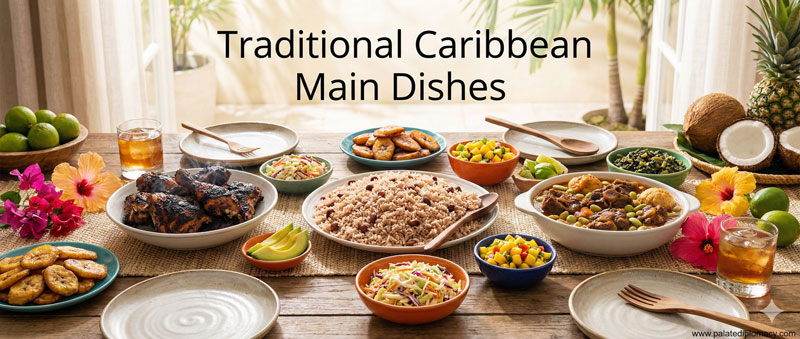
The sensory journey of jerk chicken pairs well with simple, complementary sides. Rice and peas offer a creamy, starchy balance that cools the palate between bites. Fried plantains provide a sweet contrast, while roasted corn or festival bread adds a comforting texture. Fresh lime or citrus wedges brighten the spice, and a crisp beverage helps awaken the herbal notes. Each pairing enhances the dish’s bold character without masking its core flavors.
Craft, Care, and Respect for the Dish
Craftsmanship matters in jerk chicken. Time, temperature, and attention to ingredient quality matter most. Fresh herbs, well-chosen peppers, and careful marinating elevate the final product. The practice invites patience and respect for the technique, from the texture of the rub to the moment the smoke settles into a fragrant finish. This discipline helps preserve the dish’s integrity and its role as a cultural touchstone in Food Culture.
Conclusion: A Dish that Celebrates Flavor and Community
Jerk chicken stands as a vivid celebration of flavor, technique, and shared enjoyment. Its cultural value lies in the way it brings people together, invites curiosity, and honors traditional spice craft. Through its bold profile and adaptable preparation, it remains a beloved staple in Caribbean culinary culture and a beacon for cooks worldwide who seek strong aroma, clean technique, and a memorable dining experience.