
Discover the Bold Flavors of Ogbono Soup
Ogbono soup is more than a dish. It is a living part of Food Culture, shared in kitchens and on tables across communities. The bold flavors invite curiosity, and the texture offers a unique pleasure. This post explores the cultural value and culinary significance of Ogbono soup with warmth and respect. It celebrates how a bowl can connect family traditions, regional favorites, and everyday meals.
What is Ogbono Soup?
Ogbono soup is made from ground Ogbono seeds, often called wild mango seeds. When heated with stock, palm oil, and seasonings, the paste thickens into a smooth, velvety soup. The taste is earthy and nutty, with a bright kiss from peppers and spices. This soup adapts easily, soaking up the Flavors of meat, fish, or greens that accompany it. The result is a comforting, satisfying dish that feels rooted in everyday life as well as special gatherings.
Core Flavors and Textures
The heart of Ogbono soup lies in its texture and balance. The seeds create a luscious, slightly slippery body that coats the palate. This “draw” or slimy mouthfeel is deliberate and beloved in many kitchens. Palm oil adds a rich, reddish glow and a subtle sweetness. Pepper, onions, and sometimes garlic bring brightness and heat. Crayfish, dried fish, and meat contribute depth and savor. When greens or okra join the pot, they offer fresh notes and a gentle contrast to the richness. Each spoonful tells a story of careful timing and attentive heat.
Cultural Value Across Communities
Across Yoruba, Igbo, Edo, and other Nigerian communities, Ogbono soup holds a special place in everyday meals and celebrations. It appears in family kitchens as a comfort dish passed from one generation to the next. It is common at weekend meals, naming ceremonies, and holiday gatherings, where it becomes part of a shared menu. The recipe evolves with the household, reflecting local ingredients and family tastes. In this way, Ogbono soup acts as a culinary thread that ties people to place, memory, and tradition.
Preparation: A Traditional Yet Flexible Process
Tradition meets adaptability in Ogbono soup. Start with the ground seeds, which are whisked into warm stock to form the soup’s base. Next, add palm oil for color and body, then season with peppers, onions, and salt. Proteins such as beef, goat, fish, or seafood enrich the pot, while dried fish and crayfish supply depth. Some cooks include okra or leafy greens to introduce a crisp, fresh element. The final touches, Like a squeeze of lime or a dash of scent leaf, offer bright accents. The process honors time-tested methods while welcoming small twists that fit a household’s pantry.
Serving Traditions and Pairings
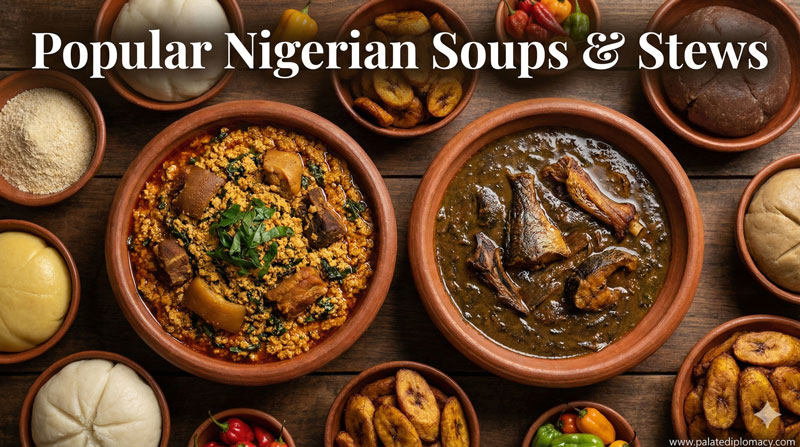
Ogbono soup shines when paired with starchy sides. Pounded yam, fufu, or garri are classic companions that help lift the thick, silky texture. In different regions, cooks favor one pairing over another, and the choice often speaks to local habit and taste. Serving is usually communal: a shared pot at the center of the table invites togetherness. Diners use their hands or spoons to scoop, guiding each bite with a sense of rhythm and hospitality. The ritual of serving reinforces kindness, respect, and connection among family and friends.
Modern Celebrations and Everyday Joy
Today, cooks blend tradition with today’s pantry. Some households experiment with plant-based proteins, lighter oils, or vibrant herbs to refresh Ogbono soup for contemporary tables. Yet the dish never loses its cultural touch. It remains a symbol of home, care, and the joy of gathering. These adaptations show how a classic dish can stay true to its roots while welcoming fresh flavors and techniques.
A Nourishing Reflection of Food Culture
Ogbono soup embodies a philosophy of sharing and presence. It invites patience as flavors meld, and it rewards attentiveness to texture and balance. The dish respects ingredients, seasons, and personal taste. In homes and restaurants alike, Ogbono soup stands as a respectful ambassador of West African cuisine. It teaches that food is a medium for memory, invitation, and celebration.
Conclusion: Embracing the Bold Beauty
The bold flavors of Ogbono soup celebrate culture through taste, texture, and tradition. It invites you to savor the richness of palm oil, the warmth of pepper, and the smooth embrace of the seed-based base. More than nourishment, it offers a doorway into shared meals, family stories, and regional pride. Whether enjoyed in a quiet kitchen or a festive gathering, Ogbono soup remains a nourishing symbol of the beauty and strength of food culture.