
Introduction
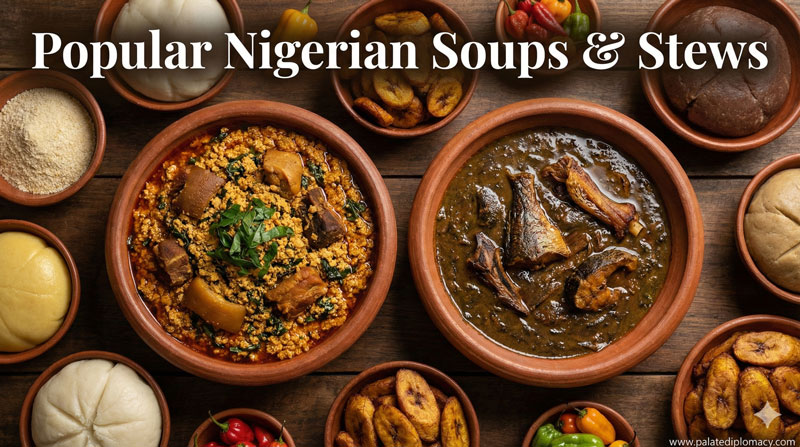
Discover the Bold Flavors of Ogbono Soup. This dish shines with bright, inviting aromas and a history of shared meals. It holds a special place in West African kitchens, where family gatherings, market days, and celebratory feasts come alive around a bubbling pot. Ogbono soup invites conversation and care, making it more than a meal. It is a cultural expression in every spoonful.
What makes Ogbono soup unique
Ogbono soup centers on ground ogbono seeds, roasted to release a warm, nutty scent. When they meet hot broth, they thicken the soup with a silky, slightly slimy texture. This body supports bold flavors. The taste blends nutty, peppery, and savory notes. The result is comforting yet lively. The dish celebrates balance—subtle seeds, bright peppers, and a قطر of palm oil that glows in the pot.
Key ingredients and technique
The core is simple: ogbono seeds, meat or fish, palm oil, onions, and seasonings. Add stock, crayfish, and pepper for depth. Leaves such as bitter leaf or spinach can brighten the pot. Some cooks finish with uziza or scent leaves for warmth. The technique matters more than the list. Roasting the seeds first releases aroma. Gentle stirring prevents lumps. A steady simmer lets the flavors mingle and the texture thicken gracefully.
Texture, aroma, and savoring
The texture is inviting: smooth, with a soft slide that coats the palate. The aroma dances with palm oil, toasted seeds, and pepper. Each bite reveals meat or fish and a hint of leaf bitterness or green freshness. This combination makes Ogbono soup feel generous and comforting. It invites you to slow down and enjoy the company around the table.
Cultural value and communal dining
Ogbono soup is a social centerpiece. It brings people together to share a meal, tell stories, and celebrate togetherness. In homes and kitchens, the pot becomes a hub of activity and warmth. Preparing it often involves family members passing down tips and tweaks. The dish embodies hospitality and care, turning everyday cooking into a warm ritual. Its presence signals welcome and generosity.
Regional flavors and serving traditions
Variations reflect local tastes. Some cooks lighten the soup with leafy greens; others enrich it with more palm oil for a deeper orange glow. The choice of leaves—bitter leaf, spinach, or fluted pumpkin leaves—adds a subtle color and bitterness that balance the dish. Serving typically pairs Ogbono with fufu, pounded yam, garri, or rice. Each pair creates a complete, satisfying meal.
Pairings, presentation, and notes for home cooks
Serve hot and offer a bright side like fresh herbs or a squeeze of citrus to wake the palate. A well-prepared Ogbono invites conversation. Use fresh stock and quality meats for depth. If the sauce thickens too much, add a splash of hot stock to loosen it. Taste and adjust the salt at the end. The goal is a pot that feels generous and well balanced.
Conclusion
Ogbono soup stands as a delicious expression of Food Culture. Its bold flavors, silky texture, and communal spirit make it a beloved staple. By exploring its ingredients, methods, and shared moments, you see why this dish endures with warmth and pride. Try making Ogbono soup at home and savor a doorway to a rich culinary tradition.