
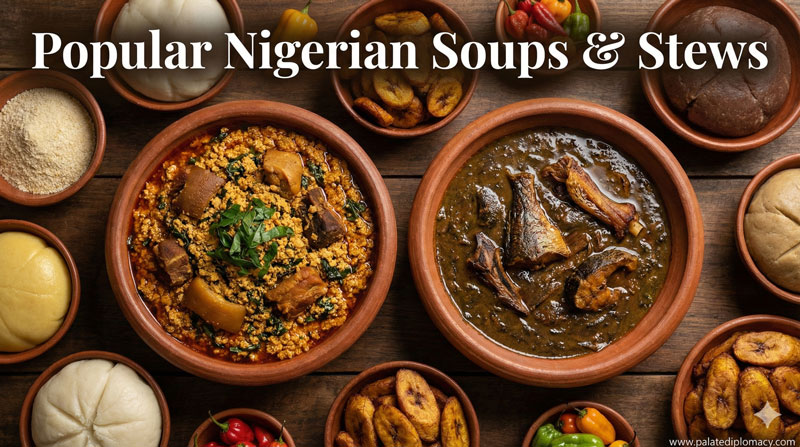
Discover the Bold Flavors of Ogbono Soup
Ogbono soup welcomes the senses with a bold, nutty aroma and a distinct, silky body. It is a dish that invites curiosity and return visits. In every bowl, you taste history, craft, and care. The experience blends warmth, texture, and bright flavors, all in harmony. This soup shines in its simplicity and its depth. It holds a special place in many kitchens, where meals become memories.
What Are Ogbono Seeds and How They Shape the Dish
Ogbono seeds come from the Irvingia gabonensis tree. Ground into a powder, they release a natural thickener that gives the soup its signature, velvety texture. The seeds contribute a mild, nutty note that balances spice and heat. This unique body helps the flavors cling to each bite. The result is a soup that feels hearty and bold at the same time.
The Art of Preparation
The preparation blends technique with intuition. First, cooks toast the seeds to wake their aroma. Next, they grind them to a fine powder for a smooth, even texture. Then, they simmer a flavorful stock with palm oil, onions, and spices. They add meat or fish for depth, plus crayfish or dried seafood for a touch of ocean brightness. Finally, greens such as leafy vegetables brighten the bowl. Each step builds a cohesive, inviting dish.
A Dish for Gatherings and Celebrations
Ogbono soup shines in social settings. It is often shared during weekend gatherings and family meals. When friends arrive, a pot of Ogbono soup signals warmth and hospitality. It invites conversation as the spoon circles through the pot. The act of serving becomes a ritual of care, connection, and generosity. People gather to savor and celebrate good company and good food.
Regional Variations and Shared Traditions
Across communities, cooks tailor Ogbono soup with local ingredients. Some use richer palm oil for a deeper color and aroma. Others incorporate different greens for brightness and freshness. You may find variations in meat choices, such as beef, goat, or fish, depending on tradition and preference. Despite these differences, the core elements remain: a silky texture, a nutty backbone, and a comforting, savory finish. This unity in diversity highlights how a single dish travels through many kitchens with grace.
Flavor Profiles, Texture, and Culinary Significance
The flavor blends warmth, earthiness, and a gentle heat. The palm oil adds a glossy, inviting sheen and a mellow sweetness. The ogbono seeds provide a smooth, almost chewy mouthfeel that captivates the palate. The dish pairs beautifully with fufu, pounded yam, or garri, creating a satisfying contrast between smooth soup and soft starch. In every spoonful, you sense balance: richness without heaviness, aroma without overpowering spice. Ogbono soup stands as a testament to how simple ingredients can sing together.
Serving, Hospitality, and Presentation
Serving Ogbono soup is an act of hospitality. Hosts bring the steaming pot to the table and offer warm bowls to guests. Diners savor slowly, using a sturdy piece of swallow to scoop and dip. The ritual emphasizes sharing, attentiveness, and respect for the flavors. A well-set table and fresh greens elevate the experience, making the meal feel graceful and welcoming.
Embracing Ogbono: A Window into Food Culture
Ogbono soup offers more than taste; it offers cultural insight. It reveals how communities value balance, patience, and communal dining. It invites cooks to honor tradition while inviting new twists. In every ladle, you glimpse a story of care, skill, and regional pride. For food lovers, exploring Ogbono soup is a joyful, appetizing way to connect with a rich culinary heritage.
If you seek a dish that celebrates texture, aroma, and togetherness, Ogbono soup welcomes you. Its bold flavors tell a simple, powerful story: good ingredients, careful technique, and shared meals can create something truly memorable. Enjoy the warmth, the depth, and the beauty in every bite.