
Discover the Bold Flavors of Ogbono Soup
Ogbono soup is a vibrant emblem of West African cuisine. Its bold flavors invite curiosity and appreciation. This dish celebrates texture as much as taste, and it shines in gatherings, at markets, and in family cooking alike. The name itself hints at The Heart of the experience: a creamy, lively bowl that many homes treasure. With each spoonful, you taste history, craft, and hospitality.
The Silky Texture and Rich Aroma
The standout feature of Ogbono soup is its silky, creamy mouthfeel. Ground ogbono seeds release a natural mucilage that forms a smooth, slightly slippery base. This texture carries the Flavors of palm oil, peppers, and stock in a gentle, enveloping way. The aroma rises from toasting peppers and simmering stock, weaving notes of earth and warmth. It’s a comforting fragrance that signals a meal made with care. The texture and aroma work together to create a dish that feels both luxurious and familiar.
Core Ingredients and Their Significance
The heart of Ogbono soup is the ogbono seed, harvested from the wild mango tree. When ground, these seeds become the foundation of the soup’s body. Palm oil adds color, depth, and a nutty sweetness. Peppers bring bright heat and a citrusy note that lifts the dish. A blend of crayfish or dried fish adds a savory umami backbone. Meat or seafood, such as beef, goat, or fish, can deepen the richness. Greens like ugu (fluted pumpkin leaves) or spinach bring a fresh balance to the pot. Some cooks also add okra for extra texture. Each ingredient has a purpose, and together they create a balanced, multi-dimensional flavor profile.
Techniques That Preserve the Dish’s Heart
Crafting Ogbono soup honors technique as much as ingredients. Start by preparing a smooth paste from ogbono seeds, often with a little warm water to release their silkiness. Heat palm oil to bloom its flavor and color. Add ground pepper, onions, and stock to build a bright, peppery base. Stir in the ogbono paste gradually to prevent lumps, then simmer gently. Add proteins and greens, allowing flavors to meld without losing the soup’s characteristic body. The goal is a cohesive texture where each component complements the others. With careful stirring and attentive timing, the soup achieves its signature harmony.
Flavor, Color, and Aroma: A Culinary Palette
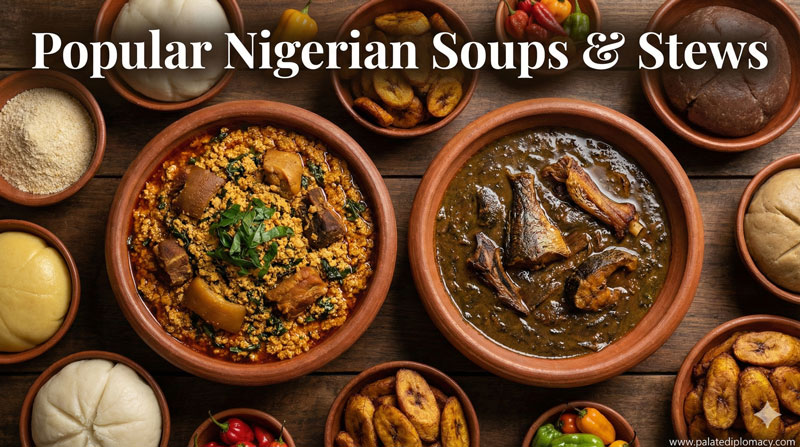
Ogbono soup greets the senses with a warm, inviting color—creamy gold tinted by the deep red of pepper and oil. The aroma blends nutty palm oil, peppery brightness, and the savory scent of meat or fish. The taste profile is rounds of richness, mild sweetness, and a savory finish. The greens offer a bright, leafy note that balances the fat and richness. The result is a dish that feels both comforting and bright, with layers you discover on each bite. This interplay of color, aroma, and flavor helps Ogbono soup stand out in the landscape of traditional meals.
Serving Traditions and Pairings
Traditionally, Ogbono soup is served hot and enjoyed with starchy accompaniments. Pounded yam, fufu, or garri are popular pairings that scoop up the creamy sauce. A side of meat, fish, or shellfish completes the meal for many households. Sharing a pot can be a social moment, with family and guests gathering around the table to savor each spoonful. The pairing is deliberate: the smooth sauce complements the fibrous bite of starchy side dishes, creating a balanced and satisfying dining experience. The act of serving and eating Ogbono soup often carries a sense of hospitality and care.
Regional Variations Across West Africa
Across West Africa, cooks adapt Ogbono soup to regional ingredients and preferences. Some versions emphasize a thicker, more velvety texture, while others allow a lighter, brothier feel. Leaf greens may vary, with ugu, spinach, or other local greens playing a starring role. Proteins range from fish to goat, beef, or poultry, depending on tradition and availability. Okra is added by some kitchens for extra body and texture. The seasoning mix can also shift, with different peppers, crayfish, and bouillon variations shaping the final taste. These variations highlight the dish’s versatility and its ability to reflect local tastes while preserving a common identity.
The Cultural Value: A Dish of Hospitality and Connection
Ogbono soup carries cultural value through its role in gatherings and daily life. It is more than sustenance; it is a vehicle for sharing, conversation, and care. In many homes, preparing Ogbono soup is a family activity that involves multiple generations. The recipe often passes from one cook to another, with small tweaks that reflect personal memory and love. Serving the dish signals welcome and generosity, inviting guests to relax and enjoy the company. The soup also marks special moments—the feast of a harvest, a birthday, or a simple Sunday meal—showing how food can anchor social ties. Through its preparation and sharing, Ogbono soup reinforces memory, identity, and belonging in its communities.
A Warm Invitation to Explore and Create
For readers curious about West African cuisine, Ogbono soup offers an inviting starting point. Its technique is approachable, and its ingredients are everyday staples in many markets. Approaching it with curiosity invites you to explore how texture and flavor interplay. As you cook, you can adjust thickness, heat level, and greens to suit your taste. In doing so, you participate in a living culinary tradition that welcomes experimentation while honoring practice.
Conclusion
Ogbono soup invites you into a world where texture, aroma, and hospitality blend seamlessly. It celebrates the abundance of local ingredients and the care of memorable cooks. Whether enjoyed with pounded yam, fufu, or garri, the dish speaks of warmth, family, and place. The bold flavors and silky body remind us why food matters: it nourishes the body and joins people in shared moments. Embrace Ogbono soup as a doorway to cultural appreciation and culinary delight.