
The Story Behind Boli, a Nigerian Food Favorite
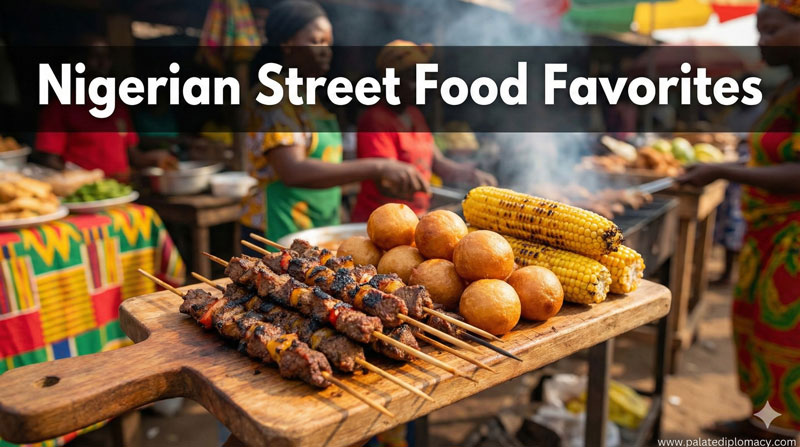
Boli is a beloved Nigerian snack that shines in markets, homes, and street corners. It centers on plantain, roasted to a caramel-soft beauty. The aroma rises with the smoke, inviting a moment of pause and delight. This dish is simple, yet it carries a deep sense of place. People share it to celebrate daily life and everyday joy.
The Star Ingredient: Plantain and Its Charm
Plantains are the heart of Boli. When ripe, they glow with a gentle sweetness. The skin darkens as they char, revealing a tender interior. The contrast between smoky crust and soft inside makes each bite feel comforting. In Nigeria, different regions favor slightly different ripeness levels, but everyone agrees: ripe plantain makes Boli sing. The fruit’s natural richness carries its own story, one of harvest and home kitchens.
The Art of Roasting: Fire, Patience, and Aroma
Roasting Boli is a small craft. The plantains meet a steady flame and blister along the skin. Turn them slowly to color evenly. The skin blackens in places, and the scent travels a warm invitation through the air. Patience matters. The Best Boli carries a balance of smoke, sweetness, and a hint of toasted salt from the tray or wrap. The process is tactile and calming, something you can feel as you watch, smell, and wait for that first perfect bite.
Cultural Significance in Everyday Life
Boli sits at the center of everyday Nigerian culture. It appears after school, when neighbors gather in the evening, or during quick market strolls. Vendors offer it alongside pepper sauce and ground peanuts. Friends share stories as they eat, and families savor it as a simple, joyful treat. The dish marks ordinary moments turned memorable by flavor and company. It is a friendly food, one that invites conversation and connection. In many households, Boli is a small, consistent ritual that signals a moment to relax and enjoy.
Regional Variations and Classic Pairings
Across Nigeria, Boli adapts to local tastes. Some communities pair it with roasted groundnuts, which add a pleasant crunch and nutty depth. Others favor a bright pepper sauce, which lifts the sweetness with heat and zing. The sauce can be mild or bold, depending on preference. These pairings highlight how Boli blends with other flavors while standing firmly on its own. The result is a versatile snack that suits a quiet afternoon or a lively gathering. Whether served alone or with a spread of accompaniments, Boli remains the star of the plate.
The Scent, the Taste, and the Social Moment
When you bite into Boli, the first impression is warmth. The outer char gives way to a tender interior that tastes gently caramelized. The smoke carries a delicate, comforting note. The sweetness of ripe plantain harmonizes with the spice of pepper sauce or the crunch of groundnuts. Most of all, the moment feels communal. It is a simple pleasure that travels from the grill to the heart, linking people through shared taste and smile.
A Simple Joy, Enduring Tradition
Boli embodies a straightforward idea: great flavor can come from humble ingredients and careful technique. It celebrates the plantain, a staple with deep roots in many kitchens. It honors the cook’s patience and the social pleasure of eating together. In these ways, Boli remains more than food. It is a gentle thread in the fabric of Nigerian Food Culture. Its popularity endures because it respects the senses and the soul alike.
Conclusion: Embracing the Beauty of Boli
Boli invites appreciation for simplicity done well. It teaches us to savor aroma, texture, and the warmth of shared moments. The dish stands as a testament to everyday culinary craft and community joy. In every bite, you sense a story of home, hospitality, and regional flavor. That story, told through plantain and flame, continues to thrive in Nigerian kitchens and markets today.