
Discovering Cassava Flour: A Staple in Brazilian Cooking
Brazilian Cuisine is renowned for its rich flavors, vibrant colors, and diverse ingredients. One ingredient that has gained increasing recognition for its culinary versatility is cassava flour. Known locally as “farelo de mandioca,” this gluten-free flour is a cornerstone in many traditional Brazilian recipes. Its importance extends beyond simple cooking; it embodies a deep cultural heritage and a culinary tradition that has been passed down through generations.
The Cultural Significance of Cassava Flour in Brazil
Cassava, or manioc, has long been a vital part of Brazilian life. It grows abundantly across the country’s varied landscapes, from the lush Amazon rainforest to the fertile southern regions. Indigenous communities have cultivated and utilized cassava for centuries, turning it into a staple food source. Over time, cassava flour developed into an essential ingredient, symbolizing resilience and resourcefulness.
In Brazilian culture, cassava flour is more than just an ingredient—it is a symbol of home, community, and tradition. It is often featured in family gatherings, festive celebrations, and everyday meals. Its neutral flavor makes it an ideal base for a wide array of dishes, allowing cooks to explore sweet and savory flavors while maintaining a connection to their culinary roots.
The Culinary Significance of Cassava Flour
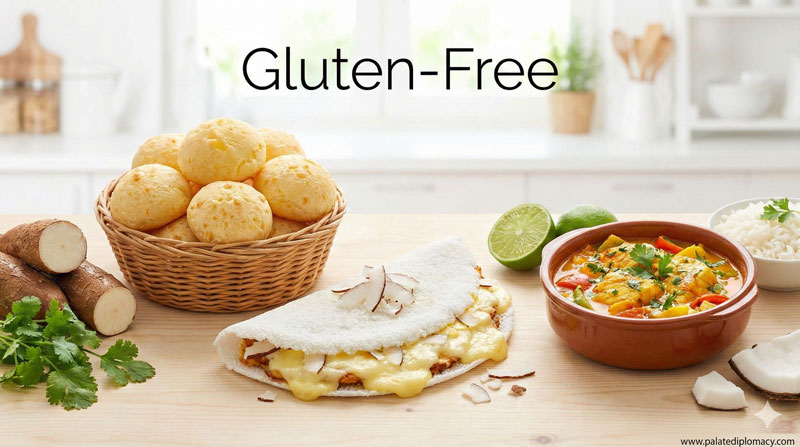
Cassava flour’s culinary role in Brazil is both versatile and profound. It is used in the preparation of classic dishes such as pão de queijo (cheese bread), farofa (toasted cassava flour mixture), and tapioca pancakes. Each of these recipes highlights the unique texture and subtle taste of cassava flour, showcasing its adaptability.
Farofa, in particular, is a beloved side dish often served with meats, rice, and beans. It provides a crunchy contrast and adds depth to meals. Additionally, tapioca-based desserts and snacks are popular across regions, celebrating the sweet potential of cassava flour.
What makes cassava flour especially significant in Brazilian cooking is its ability to bring people together. It offers a way to connect with traditional flavors and techniques. Its natural, gluten-free properties align with modern dietary preferences while honoring the age-old culinary practices of the land.
Embracing the Heritage
In recent years, cassava flour has gained popularity worldwide, valued for its health benefits and culinary richness. For those exploring Brazilian cuisine, incorporating cassava flour into their repertoire is a meaningful way to experience the country’s culinary heritage. It invites cooks to embrace a flavor profile rooted in tradition and to participate in a vibrant food culture that emphasizes simplicity, resourcefulness, and community.
Conclusion
Cassava flour stands as a testament to Brazil’s rich culinary history. Its cultural significance and culinary versatility make it an essential ingredient in traditional Brazilian dishes. Whether used in baking, frying, or as a side, cassava flour embodies the flavors and stories of Brazil—delighting taste buds and nourishing the soul. Embrace this remarkable ingredient, and discover the delicious heritage it brings to every table.