
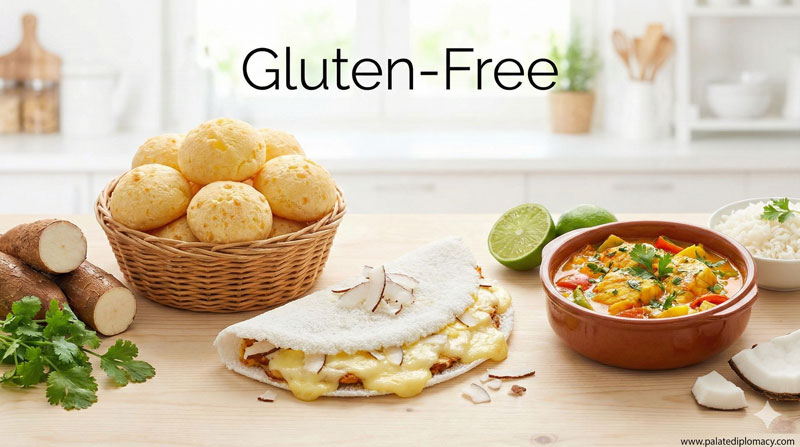
Discovering Gluten-Free Brazilian Festive Foods: A Celebration of Culinary Heritage
Brazilian Cuisine is a vibrant tapestry woven with rich flavors, colorful ingredients, and diverse culinary traditions. Among its many delights, gluten-free Brazilian festive foods stand out as a testament to the country’s commitment to inclusive, flavorful, and culturally meaningful dishes. These foods not only honor Brazil’s diverse palate but also showcase the artistry and creativity of its culinary artisans.
The Cultural Significance of Brazilian Festive Foods
Brazilian festive foods hold a special place in the hearts of many. They are more than just meals; they serve as symbols of celebration, community, and cultural identity. During festivals, holidays, and special gatherings, these foods become the centerpiece of shared joy and tradition. They reflect regional flavors and ingredients, bringing people together to honor heritage and collective memories.
In many regions of Brazil, festive foods are crafted with care and artistry, emphasizing the importance of tradition and the preservation of culinary customs. By choosing gluten-free options, these dishes also demonstrate inclusivity, ensuring that everyone can participate in the celebration and enjoy the festivities fully.
Culinary Significance of Gluten-Free Options
Brazilian cuisine has a rich history of utilizing local ingredients, including tubers, fruits, and grains that naturally lend themselves to gluten-free preparations. Traditional recipes often incorporate ingredients such as cassava, corn, and rice, making them inherently suitable for gluten-free diets. This culinary ingenuity allows for a wide array of festive foods that are both delicious and accessible to those avoiding gluten.
These gluten-free dishes are celebrated not only for their flavor but also for their versatility and health benefits. They showcase the ingenuity of Brazilian cooks who have perfected recipes that honor tradition while catering to modern dietary preferences. The use of naturally gluten-free ingredients highlights the resourcefulness and adaptability of Brazilian culinary culture.
Celebrating Flavors and Textures
Brazilian festive foods are known for their lively flavors and varied textures. From crispy, golden snacks to tender, flavorful stews, these dishes offer a sensory journey that excites the palate. The use of fresh herbs, spices, and vibrant produce ensures each dish is bursting with flavor.
The textures in these foods are equally diverse. Some items are crunchy and satisfying, while others are soft and comforting. This diversity enriches the celebration, providing a culinary experience that appeals to a wide range of tastes and preferences.
The Role of Ingredients in Festive Foods
The ingredients used in gluten-free Brazilian festive foods are carefully selected to reflect the country’s natural bounty. Cassava, for example, is a fundamental ingredient, used in various forms such as farinha (cassava flour) and tapioca. Corn is another staple, often featured in tamales and other traditional treats. Fresh fruits, beans, and spices further enrich these dishes, adding layers of flavor and nutritional value.
These ingredients are often seasonal and locally sourced, emphasizing sustainability and regional pride. Their use in festive foods underscores Brazil’s deep connection to its land and its agricultural heritage.
Conclusion: Embracing the Rich Cultural Tapestry
Gluten-free Brazilian festive foods offer a beautiful glimpse into the country’s culinary soul. They celebrate tradition, diversity, and inclusivity, creating a joyful and meaningful experience for all who partake. As these dishes continue to be cherished and adapted, they preserve Brazil’s rich culinary heritage while welcoming new generations of food lovers.
Whether you are exploring Brazilian cuisine for the first time or seeking festive dishes that honor tradition and dietary needs, these foods stand as a testament to Brazil’s vibrant food culture. They invite everyone to gather, celebrate, and enjoy the timeless flavors of Brazil’s festive table.